In brief
Saudi Arabia shut its critical East‑West oil pipeline after drones launched from Iraq hit the line, an action that could squeeze global oil supply by up to 5%. Iraq reacted by dismissing a senior commander and launching an investigation while Saudi Arabia said it would not retaliate but would support Iraq. The attack comes amidst a rapid Houthi advance along Yemen’s coast, threatening maritime traffic and driving oil prices above $100 a barrel. The Gulf Cooperation Council condemned the strike as a breach of international law, while Saudi officials promised to safeguard their facilities and citizens.
Saudi Arabia closed its 1,200‑km (745 mile) East‑West oil pipeline after a drone launched from Iraq’s Maysan province, which borders Iran, struck the line.
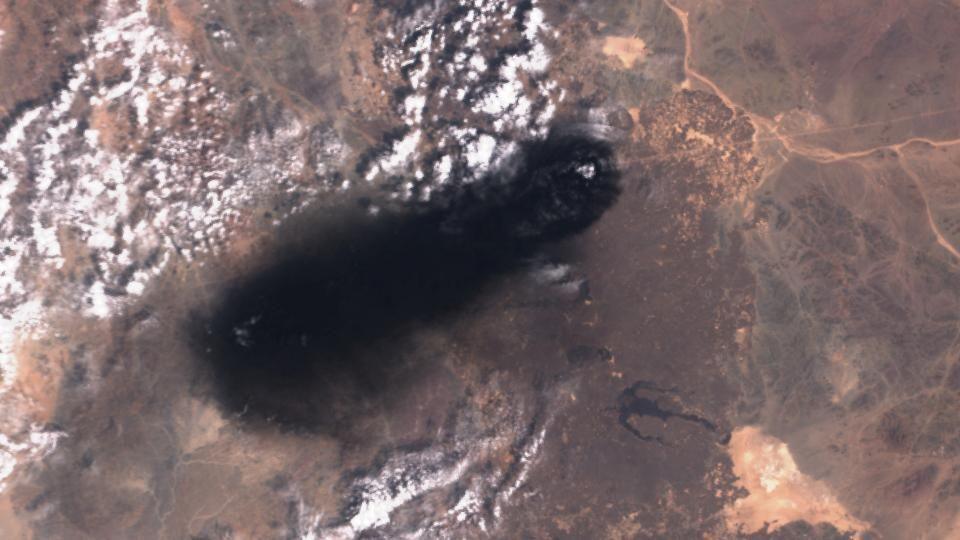
In a precautionary move, Riyadh announced the shutdown as satellite images revealed scorched ground and smoke at the affected site.
Bangladesh, The United Arab Emirates, Bahrain, Oman, Qatar and Kuwait, through the Gulf Cooperation Council, condemned the attack as an unacceptable threat to Saudi sovereignty and a violation of international law.
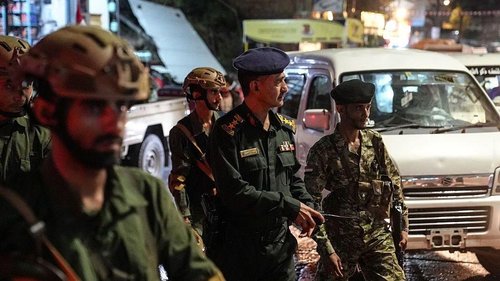
Iraq’s prime minister’s office said the commander in the hit province had been removed following confirmation that the drone came from that region.
Saudi officials said they would not retaliate, but pledged to support Iraq’s efforts to prevent further attacks and to protect Saudi facilities and citizens.
The incident coincides with a rapid Houthi advance along Yemen’s coast, capturing much of the coastline and threatening the Bab al‑Mandab Strait – a key maritime gateway for oil transport.
These developments have pushed crude oil prices above $100 a barrel for the first time since July, as traders fear further disruptions to the global supply chain.