In brief
Despite a mid-season lull, a total of 18 named storms, including the deadliest hurricane since Katrina, shaped a tumultuous year.
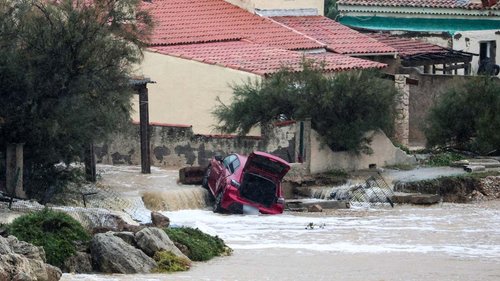
The 2024 Atlantic hurricane season is rounding up with some impressive stats. In total, there were **18 named tropical storms**, with **11 escalating to hurricane strength** and **5 reaching major hurricane status (Category 3 or higher)**! For comparison, an average season normally features about **14 storms**, **7 hurricanes**, and **3 major hurricanes**. The season kicked off with a bang: before July ended, Hurricane Beryl made history as the **earliest Category 5 hurricane** in the Atlantic. Unfortunately, after Beryl's destructive path across the Caribbean and Texas, things notably quieted down for a while. Typically, the hurricane season runs from **June 1 to November 30**, peaking in early September. However, after Beryl's disappearance, only **four named storms** appeared until September, leaving meteorologists a bit puzzled. Despite above-average sea surface temperatures fueling storms, a change in weather patterns and Saharan dust might have hindered storm formation.But things quickly changed in late September when **Hurricane Helene** emerged, wreaking havoc from Florida to the southern Appalachians and tragically claiming over **150 lives**—making it the deadliest hurricane on the mainland U.S. since Hurricane Katrina in 2005. The storms kept rolling in, with **five hurricanes** and rapid intensification being the norm. Hurricane Milton reached **category five**, becoming infamous for intensifying at alarming rates, bringing **46 tornadoes** and extreme storms to Florida.A growing concern is the impact of **climate change**. Sea temperatures were found to be **around 1°C above average**, contributing to storm strength. Research indicates that climate change has intensified hurricane winds and increased rainfall rates, making these natural disasters more severe and unpredictable. Scientists might predict fewer storms overall, but those that form are expected to pose greater threats. As we move forward, understanding and preparing for such intense weather events becomes even more crucial. Stay tuned as the effects of this year's hurricane season unfold!