
In brief
The July 20 protest in Delhi saw police and paramilitary forces allegedly fire pellet guns, leaving dozens of protesters with tiny puncture wounds. Ballistics experts identified the injuries as birdshot projectile marks, confirming the use of each 12‑gauge shotgun. Hospital and police reports conflict with government denials, sparking a debate on crowd‑control tactics. The incident raises questions about safety for citizens and the verification of official statements. Young activists and opposition leaders have called for accountability and transparent investigation.
On July 20, thousands of Indians gathered near Parliament to demand education reforms and protest the education minister’s resignation. What began as an earnest march soon turned into chaos when police and the Rapid Action Force (RAF) fired what witnesses say were pellet guns.
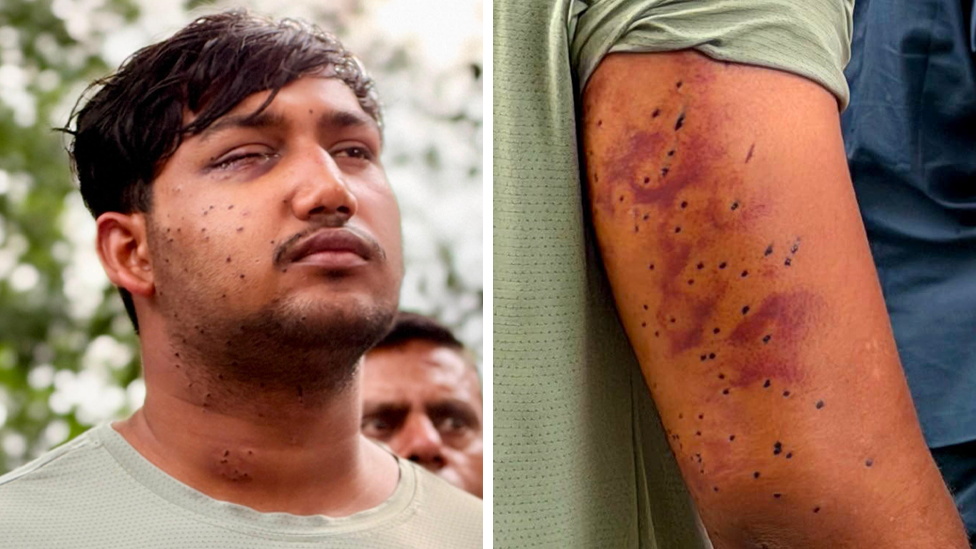
Pellet guns fire 200‑400 tiny metal balls that spread widely. The injuries reported by injured protesters—tiny circular holes on arms, shoulders and faces—match the wounds seen in hospital X‑rays, experts confirmed. A UK‑based forensic scientist said the marks are unmistakable signs of birdshot, and a UK researcher noted the use could be deadly even from 100 feet away.
Despite government claims that only tear gas was deployed, hospital staff and a police spokesperson have denied possession of pellet guns. High‑profile opposition leader Rahul Gandhi called for the minister in charge of security to be sacked, while the Home Minister insisted no bullets were used.
Sahil Lochab, a 19‑year‑old student who suffered dozens of pellet wounds, brought protests to a press conference and handed the BBC a photo and X‑ray of his injuries. Another victim, journalist Mohit, was found with 26 pellet wounds on his arm and back after running away from a gunfire flash.
The use of pellet guns, banned in many countries, is illegal for crowd control in India but has been used in Kashmir since 2010. If confirmed in Delhi, this would mark the first time the capital’s police used them against its own citizens.
The incident has sparked a heated debate over police accountability, the safety of protestors, and the transparency of official statements. A detailed investigative report is expected to provide further clarity on whether pellet guns were used during the July 20 crackdown.