In brief
Navi Pillay, South Africa’s former ICC judge and 2026 Nobel Peace Prize winner, fired back at the United States after it announced sanctions targeting the International Criminal Court. The move coincides with the Trump administration’s broader effort to limit the court’s reach, citing concerns over U.S. sovereignty. Pillay condemned the sanctions as an assault on the rule of law, stressing the ICC’s role in protecting victims of war crimes. Global leaders and legal experts warn the decision could erode confidence in international justice among younger generations.
Peace Winner Navi Pillay Slams US Sanctions on ICC
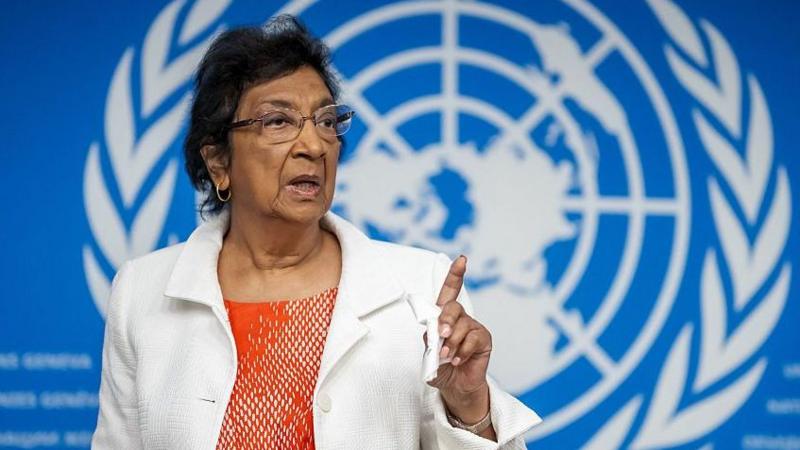
Navi Pillay, the South African former judge who helped shape the International Criminal Court, has called the United States’ sanctions on the court "unheard of" and "unacceptable" after the Trump administration announced a broad financial blockade.
The sanctions, aimed at cutting off U.S. companies from conducting business with the ICC, come after the Brussels‑based court has issued arrest warrants against U.S. officials and opened investigations into American soldiers in Afghanistan. Trump – who himself has pushed for a Nobel Peace Prize on the podium – blasted Pillay’s award as "disgraceful" the week before the ceremony.
Pillay, 85, said in a video address from Oslo that the move threatens "the rule of law and the foundations of the international legal order." She emphasized that the ICC is a global safe‑haven for victims of war crimes, arguing that the U.S. veto is a step back for worldwide justice.
The sanctions list now includes 17 individual judges and officials, and new measures target the institution itself – a first in U.S. policy. However, Washington has granted a six‑month grace period for member states to keep funding the court’s operations while negotiations continue.
The United Nations and several European governments have denounced the sanctions as a blow to global justice, while legal experts warn that the move could undermine confidence in international law among young activists who look to the ICC for protection.