In brief
China's Shenzhou 19 completes a successful mission, as young astronauts aim for the Moon.
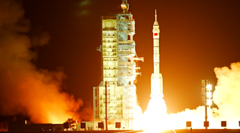
China's latest space mission, Shenzhou 19, has launched successfully, taking a crew that includes its first female space engineer, Wang Haoze, to the Tiangong space station. The mission is set for six months of research and spacewalks, furthering China's ambitions in the ongoing space race, notably its goal to send humans to the Moon by 2030. The launch, celebrated in the Gobi Desert, saw crowds cheering for the astronauts, referred to as taikonauts, as they embarked on this significant journey. President Xi Jinping's vision of establishing China as a leading space power aligns with this mission, making it part of an ambitious strategy that includes 100 launches this year alone. This diverse crew, which includes veteran pilot Cai Xuzhe and newcomer Song Lingdong, represents a "new generation" of astronauts who are eager to showcase their capabilities. While China emphasizes peaceful exploration, U.S. officials express concern regarding its military potential in space. China's space program, which has already achieved milestones like landing on Mars and retrieving Moon samples, continues to face scrutiny and competition. The stakes are high as both nations eye valuable Moon resources, though this endeavor will require long-term investment and advanced technology. Ultimately, the Shenzhou 19 mission symbolizes national pride and serves as a significant milestone in China's ongoing efforts to expand its presence in space, keep innovating, and inspire future generations.