The Nicaraguan National Assembly is set to decide whether future elections will exclude opposition parties, a proposal that has drawn sharp criticism from international bodies and the United States.
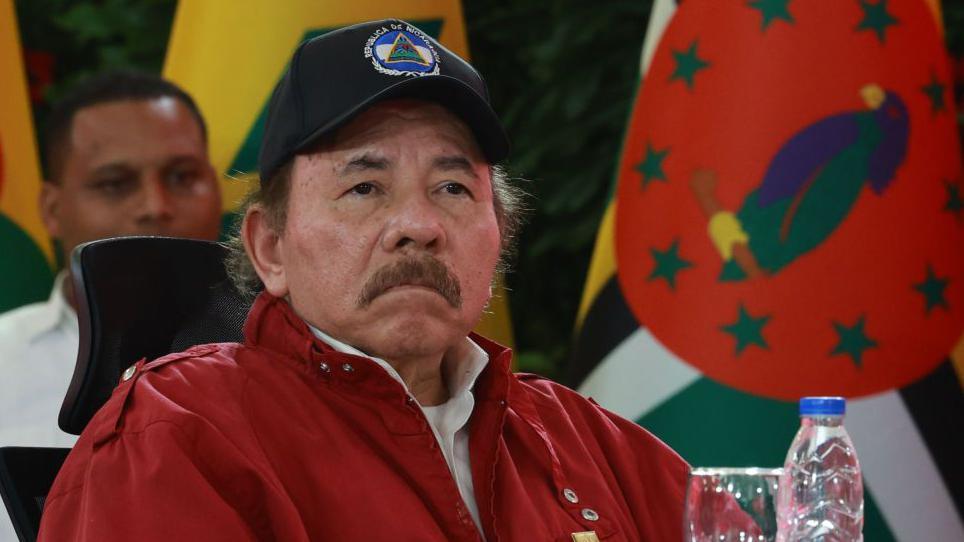
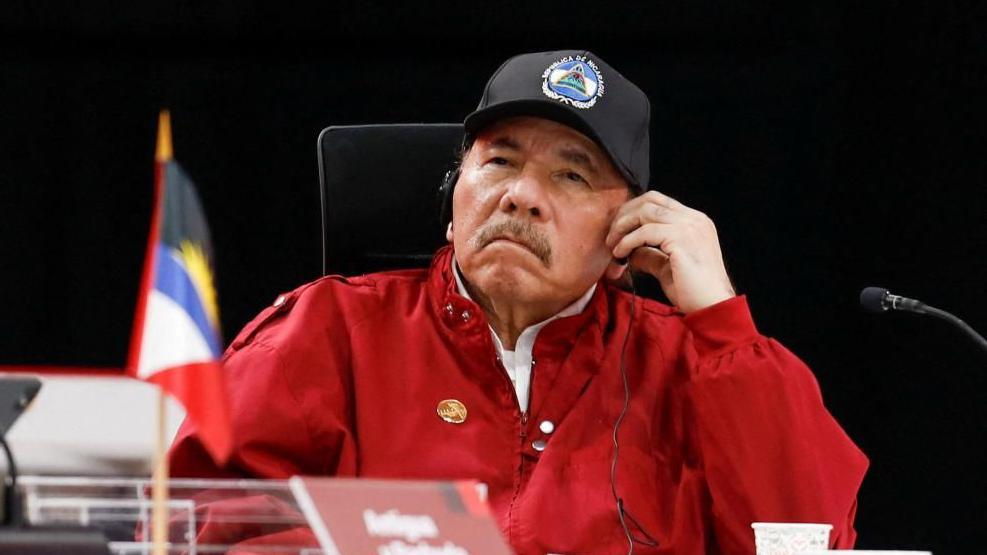
President Daniel Ortega, 80, sparked controversy with remarks that the opposition “will no longer have the chance to seize power,” just days after his speech marking the Sandinista revolution’s anniversary.
UN High Commissioner for Human Rights Volker Türk condemned Ortega’s words, insisting that all political viewpoints must be allowed to vote and compete for office.
The move follows a 2025 constitutional change that extended Ortega’s term to six years and made his wife, Rosario Murillo, a co‑president.
Opposition leaders in exile accuse the plan of turning Nicaragua into a one‑party state, mirroring countries like China or North Korea.
In November 2021, Ortega won a nearly uncontested election after detaining or disqualifying potential rivals.
The National Assembly is to vote on the ban in the first week of August, with global observers watching closely for a potential shift in the country’s democratic fabric.