In brief
As the government shutdown continues, about two-thirds of National Park Service employees have been furloughed, creating a mixed impact on popular parks. While some places remain open, others like Independence Mall in Philadelphia are inaccessible. Visitors are left wondering about their plans amidst limited information, raising concerns over safety and park care. Several states are considering donations to keep parks operational, highlighting the economic importance of these cultural landmarks.
NEW YORK (AP) — As the national park service grapples with a near shutdown, tourists are facing a mixed bag of experiences when visiting iconic sites despite ongoing furloughs impacting park staff across the country.
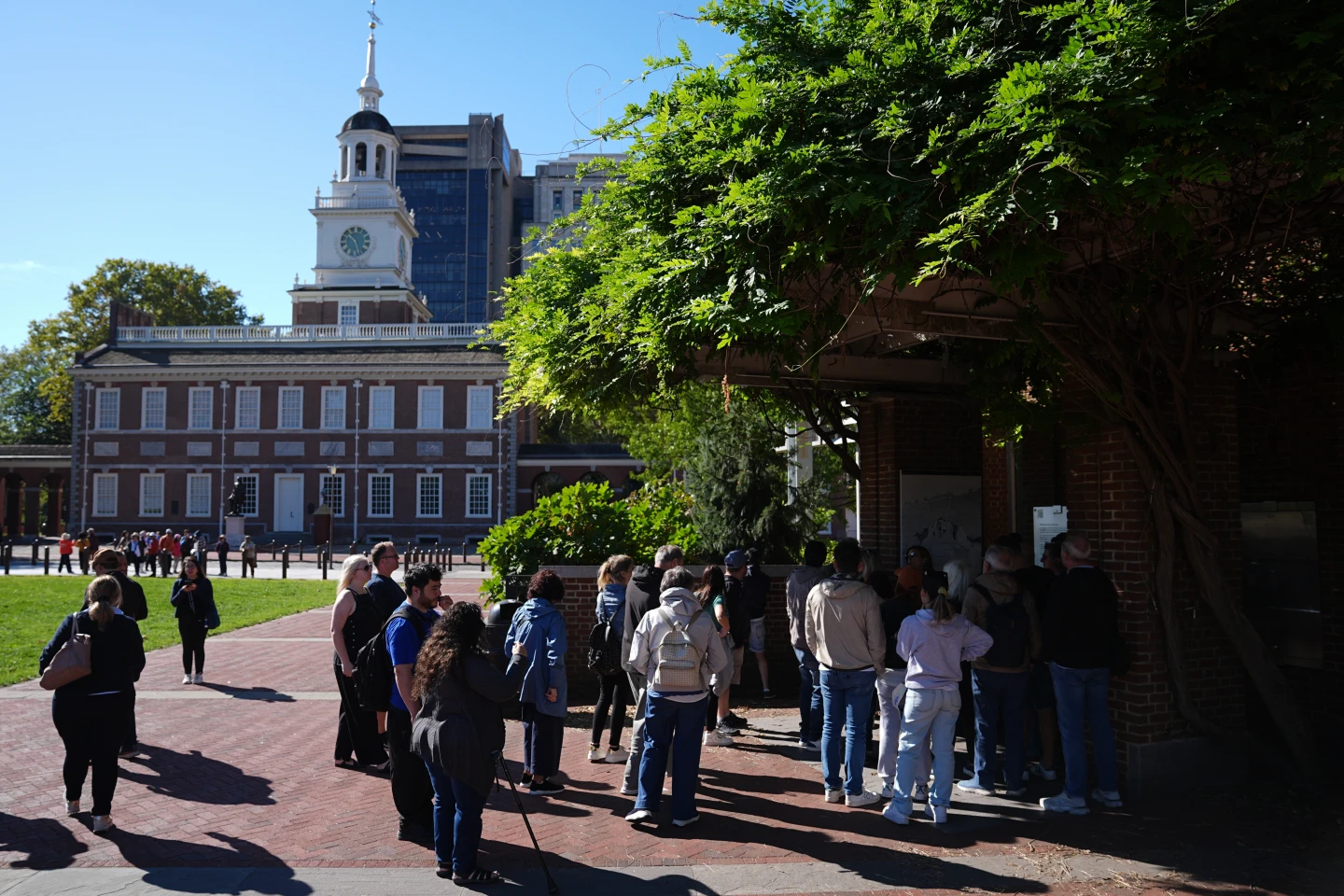
Some attractions like the Statue of Liberty are still open, buzzing with visitors, while others, especially in Philadelphia, like the Liberty Bell, are shuttered or only partially accessible, leaving eager tourists frustrated.
The shutdown has led to the furlough of nearly 9,300 park workers, creating significant restrictions on services. Although many park roads and memorials remain available to visitors, maintenance and safety services are severely limited.
In places like Acadia National Park in Maine, visitors wandering for trail maps found empty spaces, which illustrates how the parks might function under restricted staffing. Parks that can remain open risk vandalism or further damage with insufficient oversight, reminiscent of previous shutdown mishaps.
Some states, recognizing the economic implications of park closures, are stepping in. For instance, Colorado may offer funds to keep Rocky Mountain National Park operational, but others like Arizona have indicated they can't afford similar measures for their parks like the Grand Canyon.
While questions linger about the accessibility of permits and the safety of the parks, discussions continue about how to balance visitor access with the operational realities of the national park system amidst funding crises and government shutdowns.