In brief
A heavy night of rain hardened the mountainside above the Tsadqane Debre Mitmaq St Mary Monastery in Ethiopia’s Amhara region. In the early hours, a landslide collapsed onto the prayer chamber, burying 14 people who had gathered for a holy water ritual. Rescue teams found eleven victims among the debris and began burial rites, while others were taken home. The incident underscores a growing climate‑related risk, as Ethiopia’s rainy season has become more violent and unpredictable. Experts warn that climate change is amplifying such deadly weather events across East Africa.
What Happened?
In the early hours of Monday, a landslide burst from the slope above the Tsadqane Debre Mitmaq St Mary Monastery, a rock‑cut Orthodox church carved into a mountainside. The trigger was a steady, heavy rain that poured through the night, saturating the earth and loosening soil and rocks. When the hillside collapsed, it buried the prayer chamber where worshippers were gathered for a special overnight service.
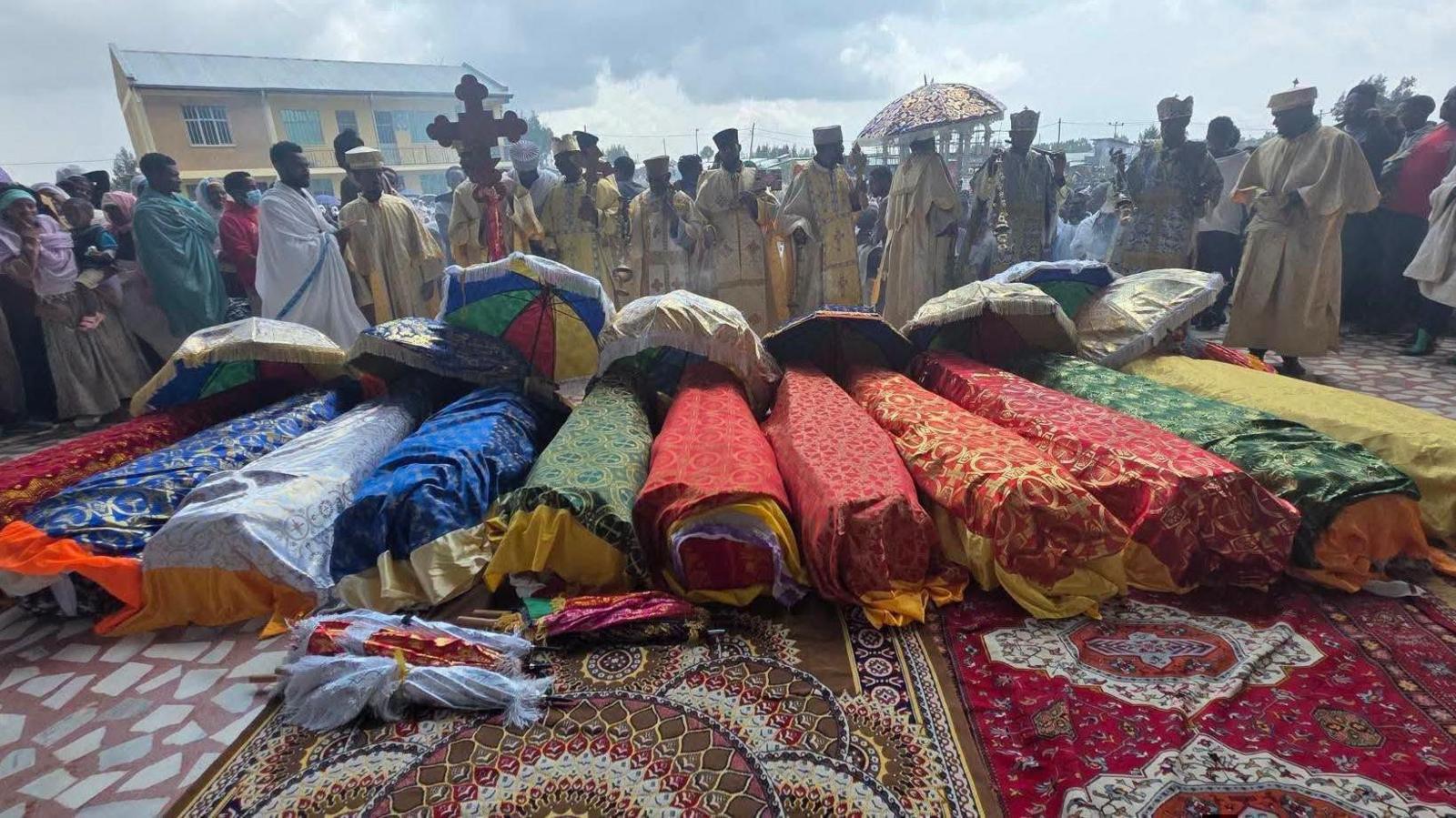
Fourteen people were found dead in the rubble, including many who had come to receive holy water for healing. Eleven of the victims were buried on-site in a ceremony led by the Diocese’s general manager, while the others were taken back to their hometowns. Rescue efforts were stopped after the search, and the injured are being treated in hospitals.
The tragedy took place during the peak of Ethiopia’s rainy season (June‑August), a period when the country already experiences frequent landslides. In March, a flood in the Gamo Zone killed more than 100 people, and in July 2024, a landslide in the neighboring Gofa Zone claimed 229 lives, including rescue workers.
Scientists say that climate change is making heavy, long‑lasting rains more common, which in turn raises the risk of landslides and other weather‑related disasters in East Africa. The local authorities urge people to heed early warnings and to be prepared for sudden changes.
The fall of the mountain slope is a stark reminder that the planet’s weather is shifting — and it’s affecting communities right now. Stay informed, stay safe, and remember the power of preparation.