In brief
Fatima Zahra El Mansouri, a lawyer‑turned‑politician and long‑standing mayor of Marrakesh, has been named Morocco’s first female prime minister after her party secured the most seats in the national election. The appointment marks the second time a woman has led an Arab‑world government, following Tunisia’s Najla Bouden. King Mohammed VI chose El Mansouri over the football chief Fouzi Lekjaa, citing her political experience and experience in urban policy. Though Morocco is a constitutional monarchy, most executive power remains with the king, and the new prime minister must build coalitions to command parliamentary majority. El Mansouri’s switch to the top position signals a growing, if still cautious, push for gender inclusivity in Middle Eastern politics.
Fatima Zahra El Mansouri named Morocco’s first female Prime Minister
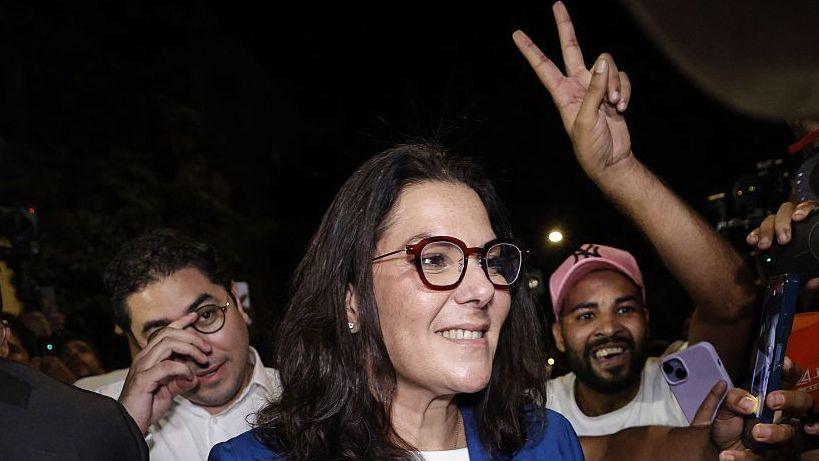
In a groundbreaking parliamentary victory, the Authenticity and Modernity Party (PAM) secured the most seats, leading to the historic appointment of Fatima Zahra El Mansouri as Morocco’s first female prime minister. The move places her only the second woman to head a government in the Arab world, following Tunisia’s Najla Bouden.
King Mohammed VI chose El Mansouri over the country’s football chief, Fouzi Lekjaa, seeing her governance experience as key to steering the nation. The 50‑year‑old has served as the mayor of Marrakesh since 2009, a minister for national territory planning, urban development, housing and city policy, and a coordinator of PAM’s collective leadership. Prior to her political career, she trained as a lawyer and studied business law in France and the United States.
Although Morocco is a constitutional monarchy, the king retains most executive authority, and the new prime minister must negotiate coalitions to achieve a majority in the 395‑member parliament. PAM holds 97 seats, falling short of the 198 seats needed for an outright majority. The party remains open to partnering with other parties, though it recently fell out with the National Rally of Independents, which led the previous government. The Islamist Justice and Development Party, which rebounded to 54 seats, has ruled itself out of a partnership.
During her victory press conference, El Mansouri praised the king as “the biggest advocate for women” and declined to comment on whether state ceremonies would need to adapt for her attendance in mixed prayers. She emphasized her role as a “free activist” rather than an “iron woman.”
The appointment reflects ongoing debates in Morocco on gender equality, including discussions over polygamy and inheritance rights. El Mansouri’s leadership may signal a cautious shift toward broader inclusion, even as traditional power structures endure.