In brief
In the shattered streets of Gaza City, a mother clutches her son’s video memories while millions of loved ones remain lost. Amid rising death tolls and stalled rescue efforts, families fear both death and detention. A rundown home spills onto the street, but people’s smiles—like a boy with a kitten—shine through the rubble. The world watches as desperate families, like the al Madhouns, wait for answers, while the Israeli blockade shuts doors to vital inquiries. The Gaza conflict has already claimed hundreds, and yet justice and closure remain a distant promise.
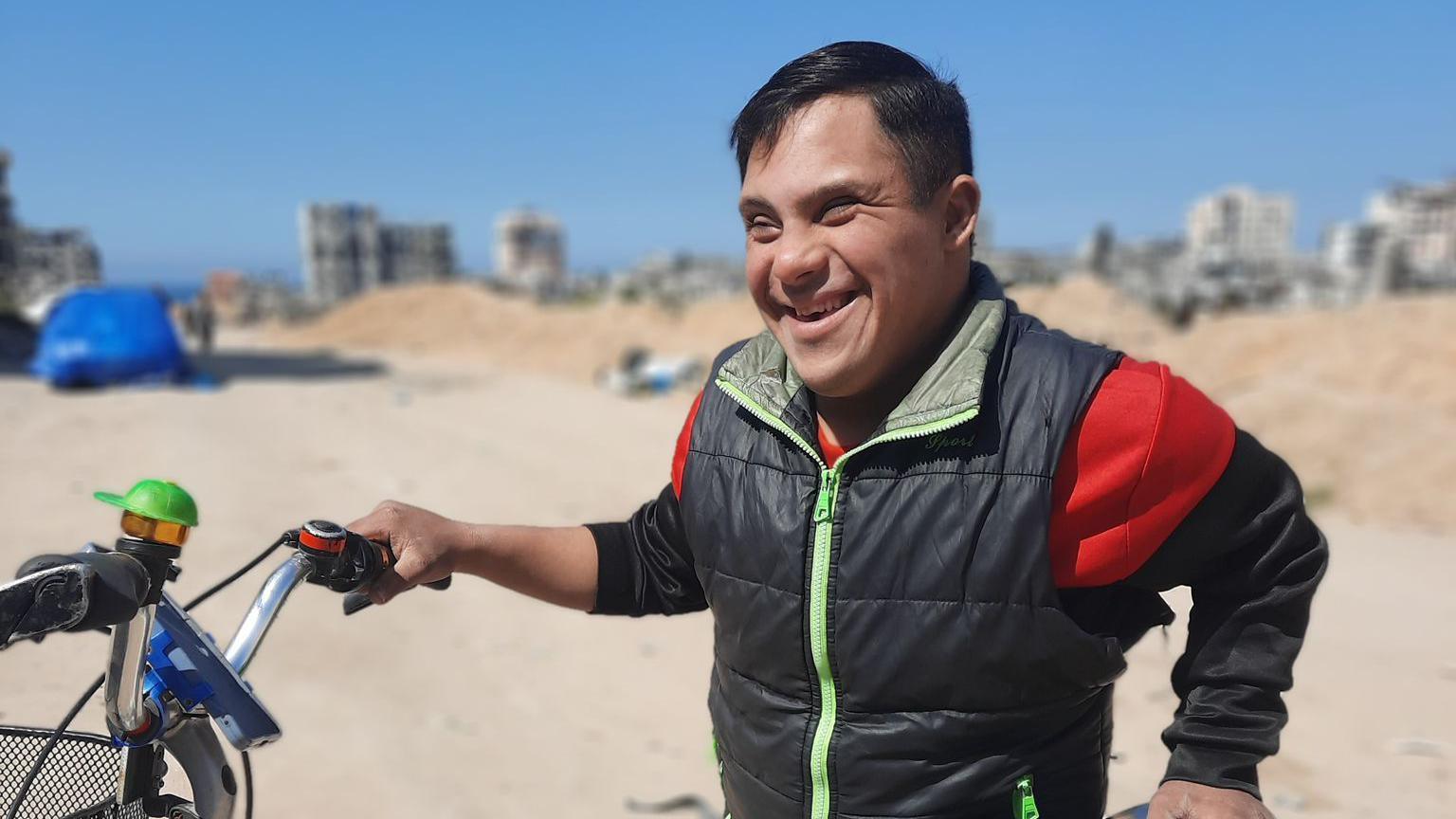
In a ruined home on Gaza City’s streets, Majdiya al‑Madhoun scrolls through a phone screen, reliving her son’s joyful moments. Ahmed—a 21‑year‑old with Down’s syndrome—last visited the local shop in May 2025, and the trauma of that day sits heavy over his family.
The Israeli offensive has left the city in disarray; thousands of bodies remain under rubble while the Red Cross logs over 5,000 missing reports. The Gaza Health Ministry cites 73,000 deaths, but Palestinian families argue the real toll could double, as bodies buried within collapsed homes go uncounted.
Israel’s military list shows about 7,000 Palestinians detained in Gaza, yet families like the al‑Madhouns report no official records of their sons. When Israeli soldiers appear on social media holding a blindfolded man, families fear this could be a hidden detainer, yet official checks return empty shelves.
Without international journalistic or Red Cross access to prisons, the mental strain of uncertainty gnaws on mothers across Gaza. As every day brings new discoveries, the promise of closure feels increasingly far away.