In brief
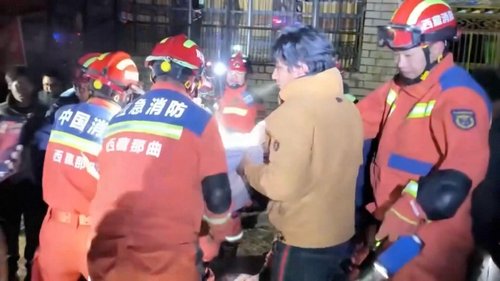
After twin earthquakes in north‑Venezuela, rescue teams are racing against time. They deploy trained dogs that sniff out survivors, listen for knocks and scan with video cameras and thermal imaging. Local teams coordinate heavy machinery to shift debris and create access routes. With tech tools and teamwork, each hour brings new chances to locate trapped people.
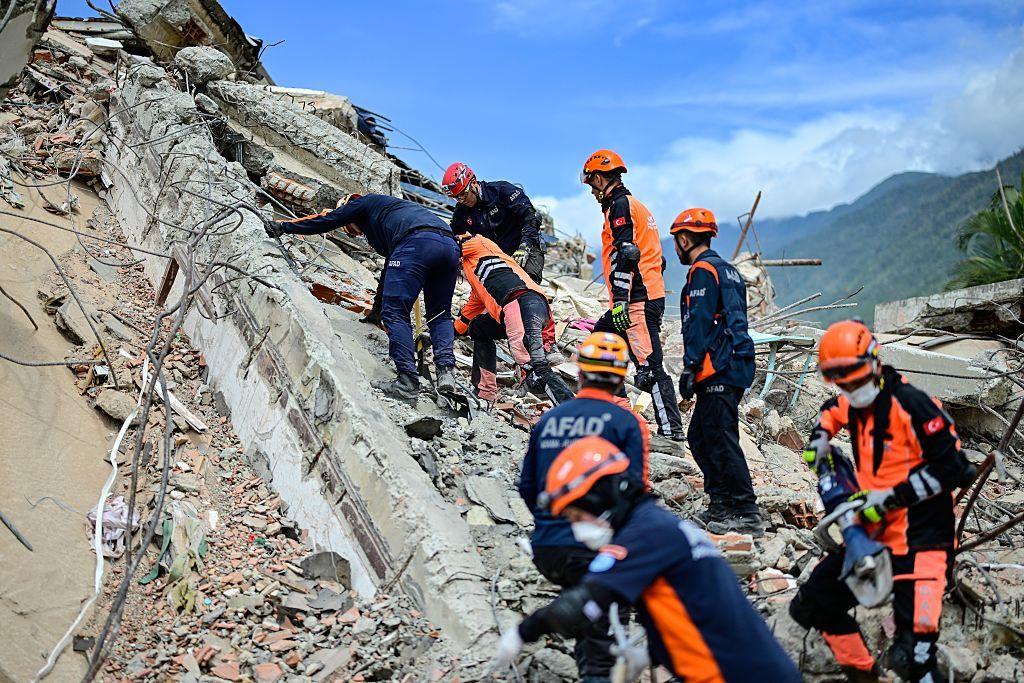
Rescuers pictured searching through rubble in La Guaira, which has been devastated by last week's earthquakes, courtesy of Anadolu via Getty Images.
The twin quakes that rattled north‑Venezuela left more than 1,700 dead and thousands trapped under concrete. With the critical 96‑hour window now past, teams are working nonstop to find survivors buried in the wreckage.
Search Dogs
Specially‑trained dogs sniff the rubble for people buried up to 10 m (32 ft) below. When they find a scent, they bark loudly – a signal for rescuers to dig deeper.
Lee Ivory, deputy national coordinator for UK ISAR, says dogs have saved lives in Haiti, Japan and Nepal, and are now key to Venezuela’s mission.
Sound Detectors
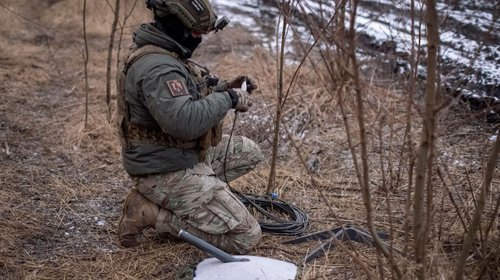
Rescuers shout into piles, listening for faint sounds. Small acoustic devices act like “tiny ears” – picking up scratching or breathing that would otherwise be missed.
The devices can detect even a buried person’s heartbeat or moving body heat, giving another layer of evidence.
Cameras and Thermal Imaging
Technical cameras can slip into holes and give 360° views, while thermal imagers spot heat signatures that pierce through concrete and glass.
Video feeds let rescuers talk to trapped people, boosting the chances of a safe extraction.
Manual Tools & Heavy Machinery
Diggers, bulldozers and cranes lift layers of rubble. Squishy tools like disk cutters and angle grinders handle concrete while hand‑tools finish the fine work.
Local teams often drive the heavy machinery, giving international crews the time to focus on the delicate search work.
These combined efforts – dogs, sound, sight and big machines – keep hope alive in a crisis where every minute counts.