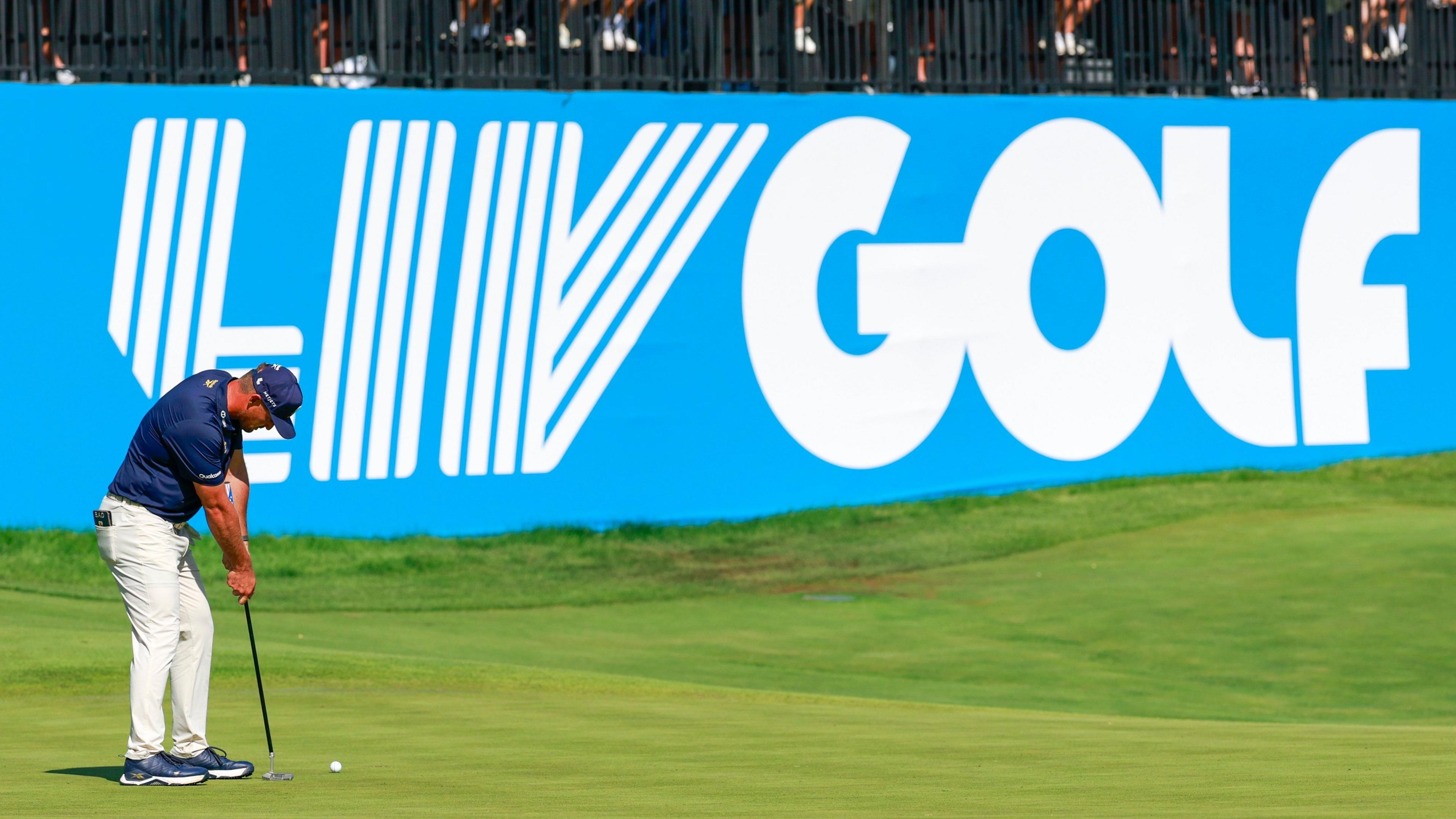
In brief
LIV Golf has filed for bankruptcy protection in New Jersey, a move that clears the path for its players to exit contracts in the former league. The Saudi Public Investment Fund pulled over $5 billion in funding, prompting LIV to look for a new investor, now BC Partners, to support a restructured, player‑owned version. While the Chapter 11 filing eases debt obligations, it also means existing contracts conclude and players can negotiate new deals or join other tours. The league plans to launch a sustainable 75‑player format next year, offering players equity and better earning potential. The outcome could reshape the global golf scene and the future of LIV’s high‑profile star roster.
LIV Golf, the controversial breakaway league born in 2021, has filed for Chapter 11 bankruptcy protection in New Jersey. This filing aims to restructure the company after a multibillion‑dollar withdrawal of funding from Saudi Arabia’s Public Investment Fund (PIF).
The move also means that any contracts signed by players under the original LIV Golf are terminated. Players are now free to exit the league without penalty and can negotiate new terms with other tours or the league’s future iteration.
LIV announced a new investor: global private‑equity firm BC Partners, which will help to create a player‑owned model. The new plan envisions a 75‑player field, a cut after rounds, qualifiers and teams that embrace national identities, all designed to build a sustainable business around fan engagement.
Players will receive equity stakes and regain commercial rights that were previously held by the league. Prize money under the new model will be set in between the PGA Tour and the DP World Tour, providing a middle ground while the league restructures.
While the bankruptcy process protects the company’s debts and gives it time to reorganise, it leaves uncertainty for players about future participation. The new league’s launch is slated for early next year, but it is unclear when players can discuss contracts with other major golf tours.
Overall, LIV’s bankruptcy filing marks the end of the high‑cost, high‑pay clubs of 2021 and the beginning of a potentially new, player‑centric era in golf, reshaping the sport’s competitive landscape for the long term.