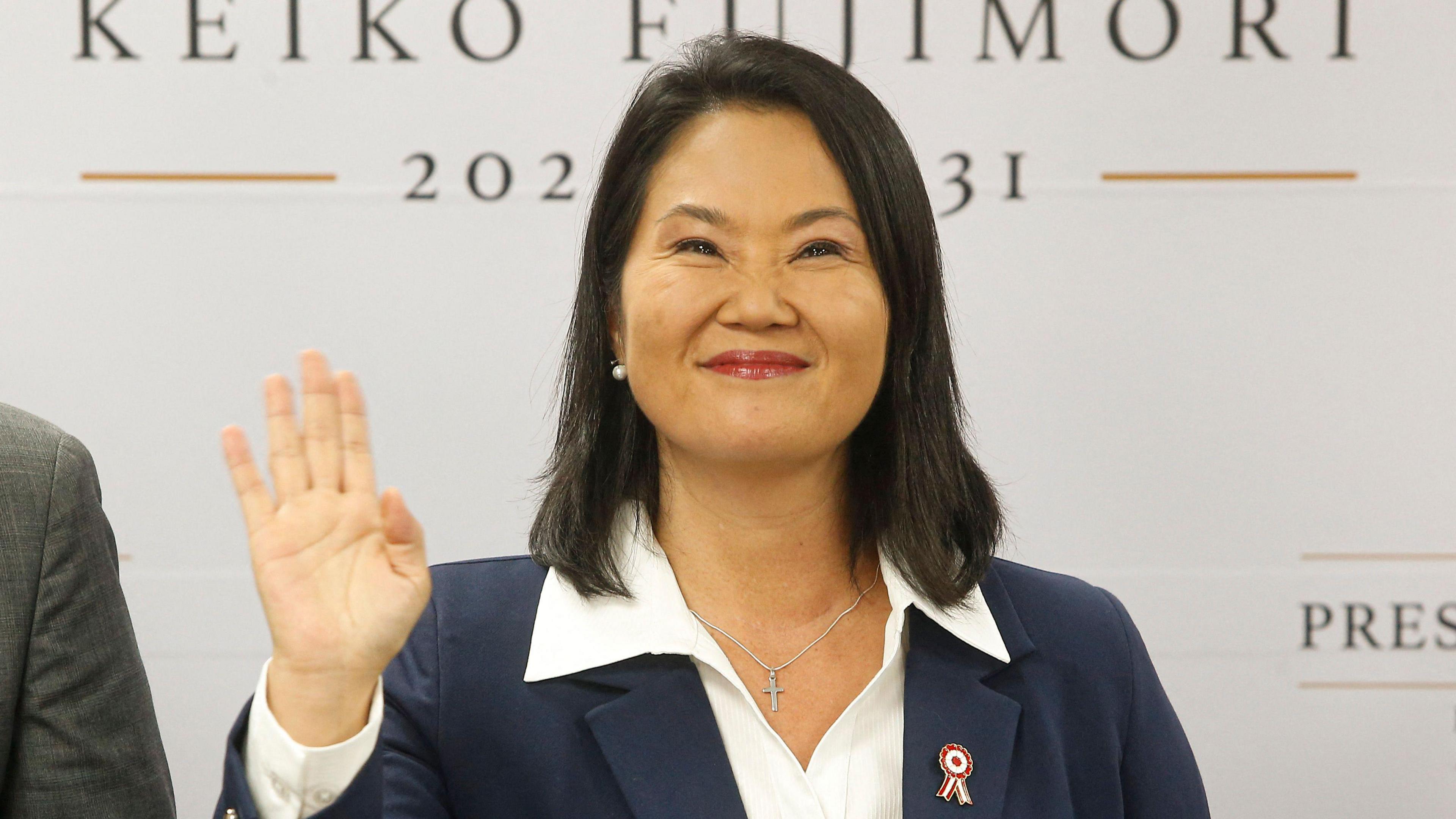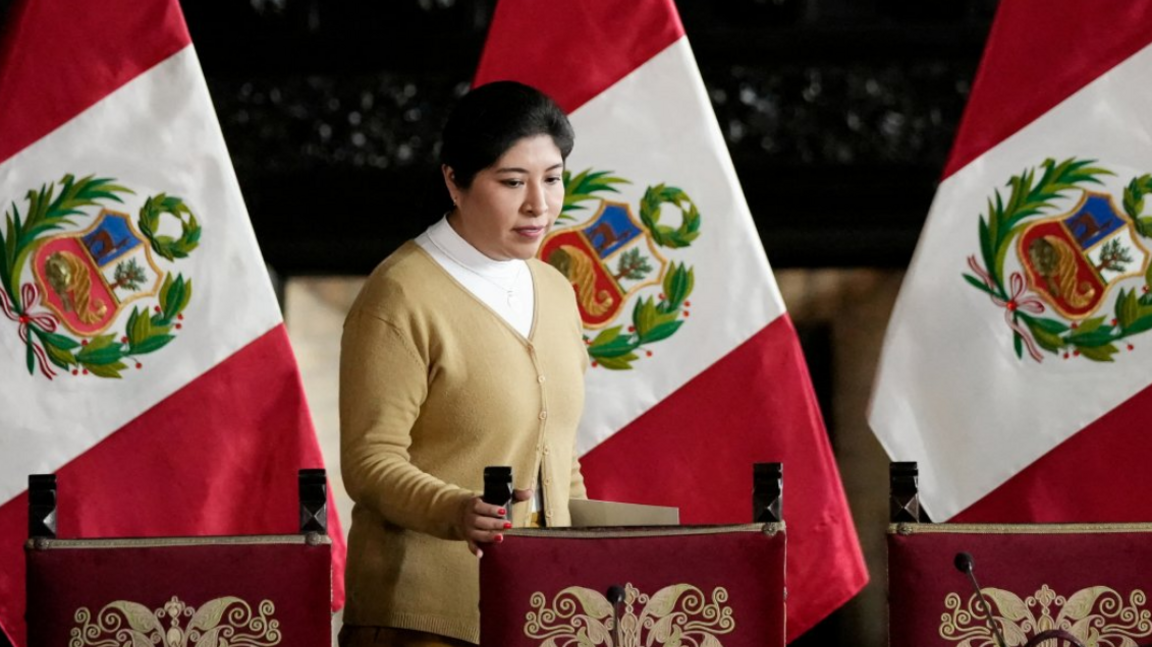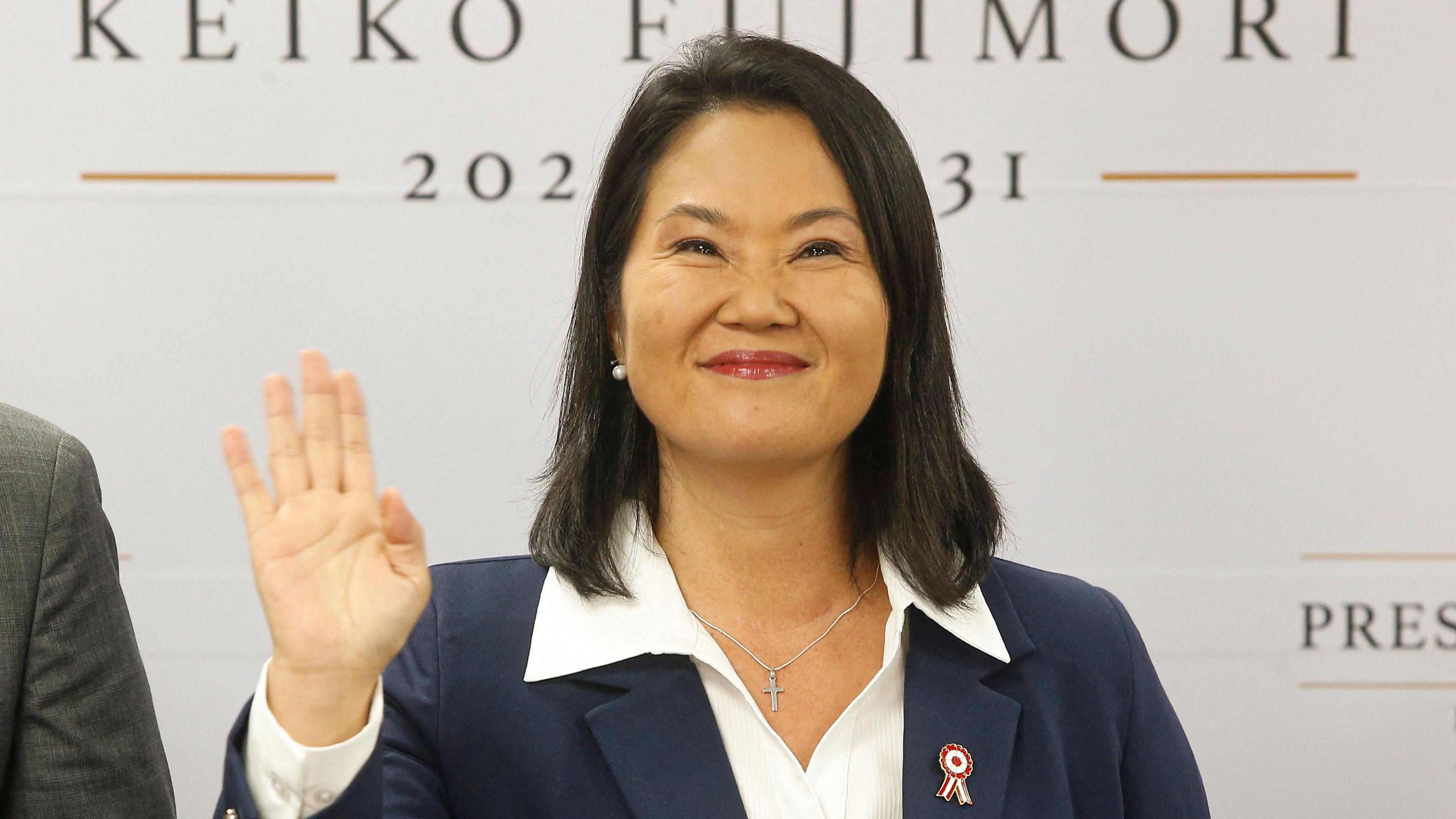
On June 7, Peru’s voters delivered a nail‑biter run‑off, and a few weeks later the electoral court confirmed that right‑wing candidate Keiko Fujimori had won by a razor‑thin margin of 50.135% to 49.865%.
This result marked the fourth time Fujimori, 51‑year‑old and daughter of the disgraced former president Alberto Fujimori, has run for the presidency, each campaign ending in a close finish.
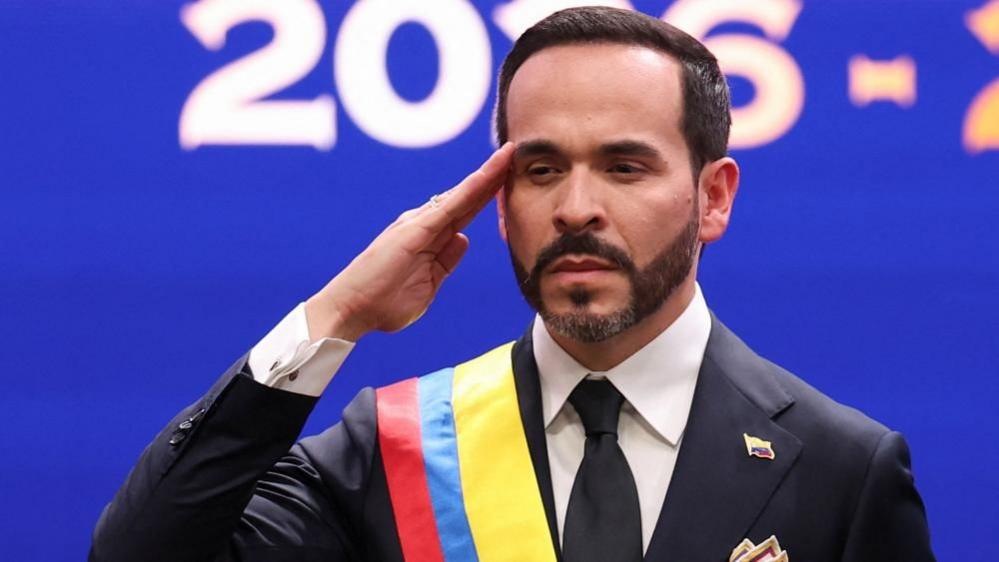
Her victory follows a regional trend: across Latin America, newer leaders on the right have swept into power, with Colombia’s Abelardo de la Espriella and Ecuador’s Daniel Noboa also securing tight wins on similar platforms.
In her post‑election address, Fujimori promised a “responsible, humble, and duty‑filled” presidency, pledging a military crackdown on extortion and organised crime and an expulsion of undocumented immigrants who commit crimes. She also aimed to boost private investment as a route to economic growth.
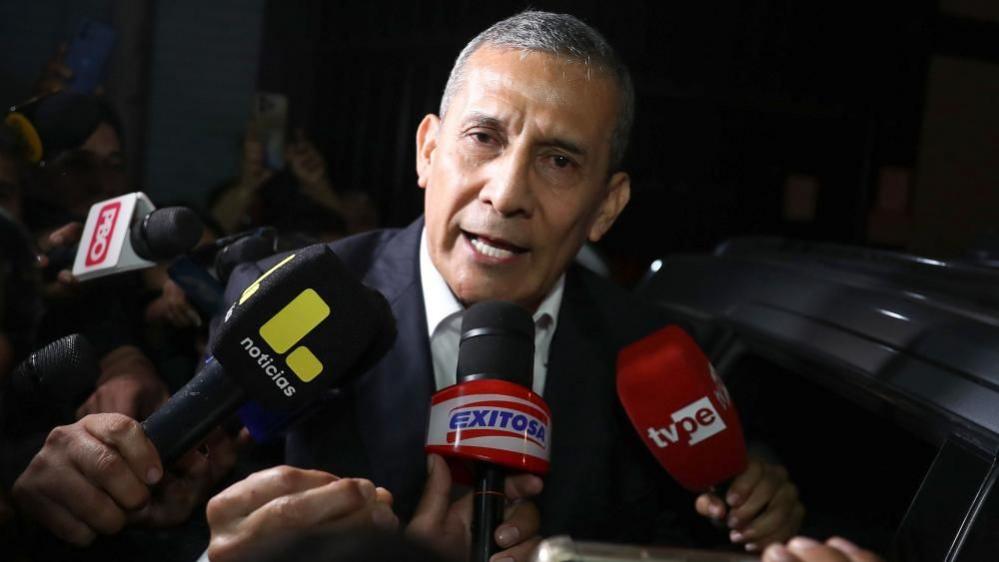
Roberto Sánchez, 57, argued the process was “seriously compromised,” filing a legal appeal that called for the vote to be annulled. His party’s challenge is still underway, but the court’s certification hails the run‑off as valid.
Fujimori’s swearing‑in is scheduled for July 28, making her the ninth Peruvian president in the past decade and the latest addition to the wave of right‑leaning leaders reshaping the continent’s political map.