In brief
European leaders are voicing strong opposition to Donald Trump's recent tariffs, fearing major economic impacts. While strategizing for light retaliation, they aim to navigate the political landscape carefully to avoid worsening relations with the US.
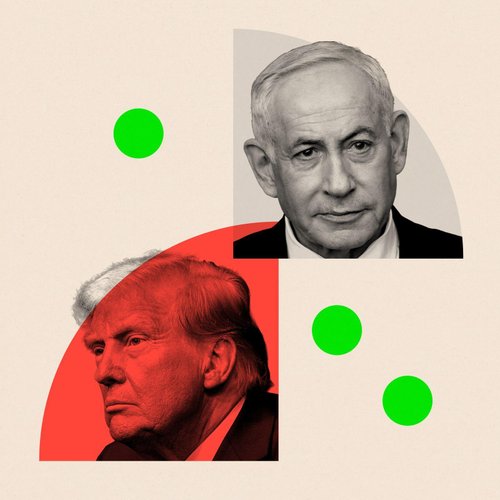
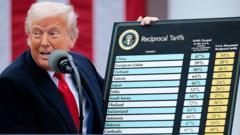
Donald Trump’s recently announced tariffs on EU products have sent shockwaves across Europe, prompting leaders to react with a mix of anger and concern. Germany’s chancellor, Olaf Scholz, dismissed them as "fundamentally wrong," while Spain’s Prime Minister, Pedro Sánchez, referred to the tariffs as a unilateral attack. French President Emmanuel Macron labeled the tariffs as brutal and unfounded, predicting they would wreak havoc on the European economy.Macron has called for an emergency meeting with French businesses likely to be impacted by the 20% tariffs on EU goods sold to the US. He urged businesses to hold off on investing in America until the situation stabilizes, emphasizing the symbolic message it would send.Key sectors like wine and cognac from France, automobiles from Germany, and luxury goods from Italy are worried as the tariffs threaten their strong market presence in the US. Surprisingly, other industries also significantly depend on American markets. For example, Ireland's economy is heavily tied to exports, particularly pharmaceuticals and tech, comprising one-fifth of its GDP.The EU’s leaders are strategizing how to retaliate without further escalating tensions. The European Commission, under President Ursula von der Leyen, is coordinating the response, hinting at the potential for tit-for-tat measures targeting US services, particularly in Big Tech. This poses a risk of provoking further backlash from the Trump administration, which the EU is keen to avoid.Amidst calculations and threats, the EU is considering negotiations, though Trump has ruled out any discussions on tariff exemptions. To find common ground, the EU might propose increased imports of American liquified natural gas and military equipment. However, such moves could conflict with its commitments to bolster its own arms industry.With the possibility of a collapsing international trading system looming, the EU faces uncertainty. They worry that an influx of cheap goods from non-EU countries like China could occur if Trump imposes heavy tariffs there as well. To safeguard against this, EU leaders may focus on breaking down internal barriers within their markets before addressing external pressures.As the situation unfolds, the hope remains for diplomacy over conflict, with EU officials working diligently to navigate these economically treacherous waters.