In brief
Italy’s health ministry has toggled red heat alerts in 25 of its 27 major cities, sparking warnings for residents to stay indoors and stay hydrated. A subtropical anticyclone from North Africa is driving temperatures into the mid‑30s Celsius, threatening not only seniors but healthy young adults too. Across Europe, Greece, France, Spain and Portugal are battling large wildfires, reflecting the continent’s alarming rise in summer heat incidents.
The Heat‑Covered City Alert
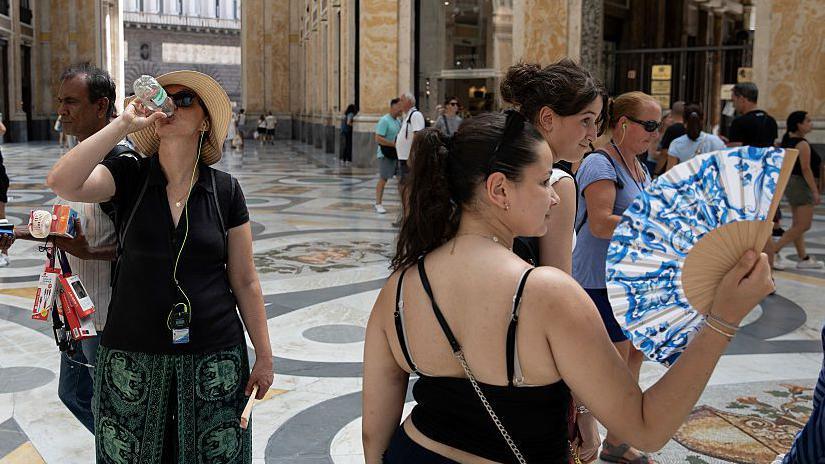
Italy’s health ministry has rolled out a heat‑red alert in 25 cities, including Rome, Milan, Venice and Naples, warning people about dangerous sun. The extreme temperatures, peaking at the mid‑30s Celsius, pose risks even for healthy adults. The ministry advises residents to stay indoors during the hot 11:00‑18:00 window, keep hydrated, and limit outside activities.
The Fire‑Ravaged Europe
While Italy faces a worst‑case heat scenario, Greece, France, Spain and Portugal continue to fight firefights across thousands of hectares. In the southern Greek town of Viotia, tourists were evacuated by sea amid a shrinking wildfire. In Spain, 200,000 hectares have burned, while Portugal’s forest fires exceed the yearly average, emphasising how climate change fuels intense summer blazes.
What’s Driving the Heat?
A strong subtropical anticyclone from North Africa is tightening over the Mediterranean, pushing air temperatures up and creating dry conditions. Europe is warming twice as fast as the planet, doubling the frequency of heatwaves and adding pressure on water supplies and vegetation. The result: hotter days, rougher living conditions, and greater wildfire danger.
If you’re in a city under a red alert, stay cool, keep water handy, avoid the midday sun, and check local websites for updates. If you’re elsewhere, be ready to help with evacuation plans and support firefighting efforts.