In brief
In a month‑long flare‑up with the US in the Strait of Hormuz, Iran faces three possible futures: capitulation to Washington’s demands, blowing up regional stability, or stretching its limits. Each route comes with immediate costs: political backlash, wider war, or economic collapse at home. The choice is not clear‑cut and raises questions over which power in Iran’s complex political ecosystem will make the ultimate call.
For the last ten days, Iranian and US forces have traded strikes near the vital Strait of Hormuz. In the midst of that tension, Tehran has three not‑so‑pretty options, each with a heavy price. The decisions that follow could change the balance of power in the Middle East and shape global energy markets for years.
Three Paths
- Option 1 – Concede and Calm: Accept US demands on shipping freedom, nuclear inspections, and cuts to uranium stockpiles. In return, Iran would get sanctions relief, naval blockade removal, and fewer attacks. Politically, this looks like a shriveled victory for the government but could empower hard‑liners who view concessions as betrayal.
- Option 2 – Escalate: Intensify attacks on US bases, shipping lanes, and Gulf infrastructure. This could raise global oil prices and force Washington to negotiate more hard, but it risks a broader coalition against Iran and severe casualties.
- Option 3 – Sustain the Squeeze: Keep enough pressure to keep the world worried, but avoid all‑out war. The Iranian leadership might frame this as “endurance equals victory.” However, sanctions and rising costs could erode domestic stability, and the longer Iran relies on the strait, the less crucial it becomes for alternative shipping routes.
Who Holds the Reins?
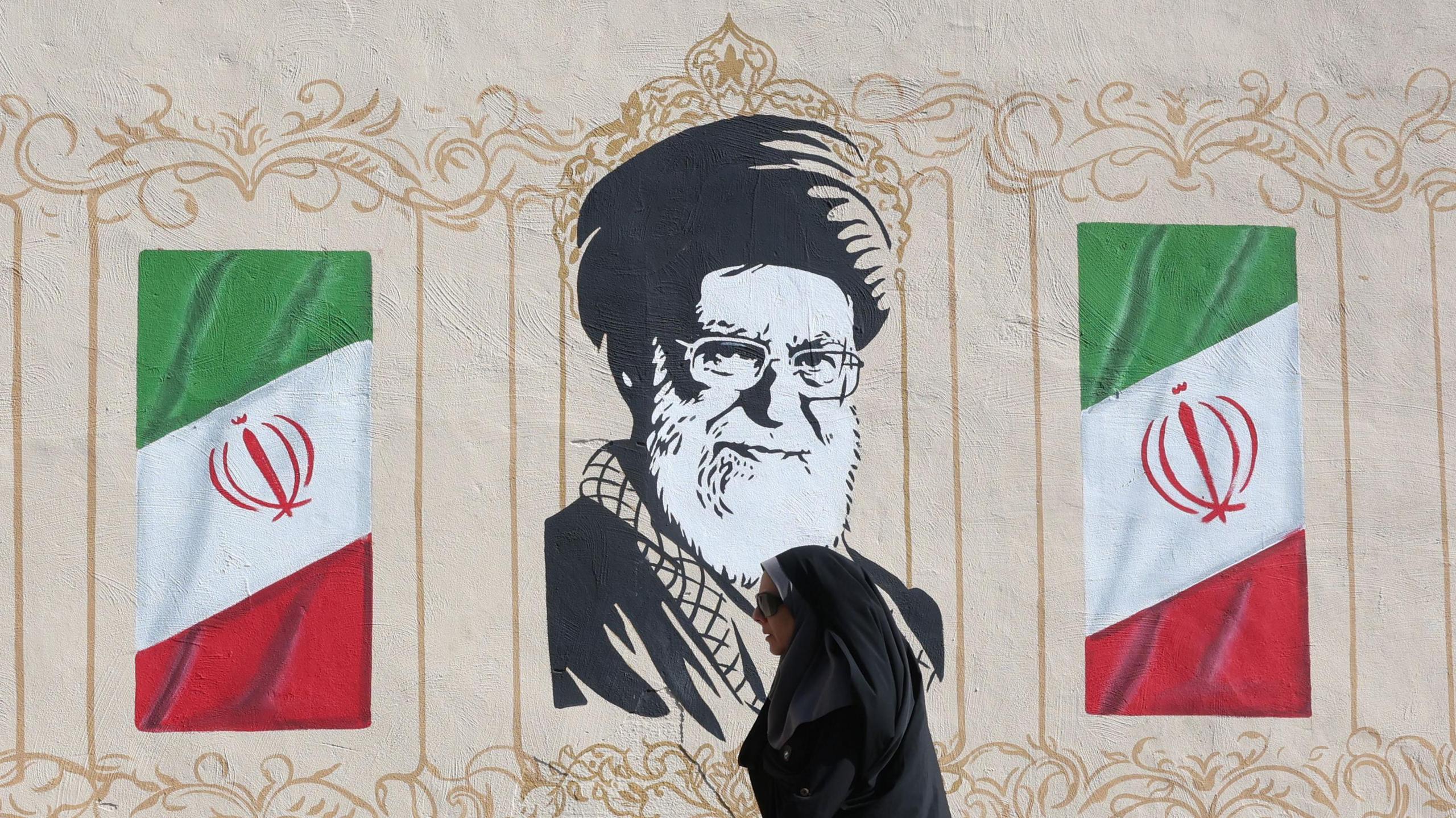
The decision‑making matrix in Iran is split between the Supreme Leader, the President, hard‑line parliament members, defense ministries, and the Revolutionary Guards. With Ayatollah Ali Khamenei replaced by his son Mojtaba following tragic war losses, the balance of influence is murky. When the state faces a question of war versus peace, the answer may come from those who control the navy, missile arsenal, and political narrative.
What the People Are Saying
Many Iranians wear the stress on their faces. One woman told BBC Persian she was “very, very saddened” when the cease‑fire sputtered after a brief lull. Another, a doctoral student in Tehran, lost her job and faced cuts in utilities and security, underscoring how everyday life hangs on the political choices. These voices reveal a civil society that wrangles with solidarity, fear, and the cost of resistance.
The Road Ahead
In a region where every attack can ripple against supply lines and hostage markets, Iran’s next move will test diplomatic skill and military resolve. Whether it rolls back its defiance, ramps up firepower, or holds the line, the world watches closely, as energy prices and diplomatic leverage alike lean on the thin, water‑filled strip that is the Strait of Hormuz.