In brief
Iran’s top negotiator has called for a faster, heavier, and more painful response to any future U.S. attacks, signalling a shift in the current diplomatic impasse. The warning follows U.S. strikes on Iranian-linked tankers and Iran’s own aggressive actions in the Strait of Hormuz. The dispute threatens to tighten the already strained global oil supply chain, especially as the U.S. mid‑term elections loom. With no sign of a fresh diplomatic breakthrough, the world watches how this escalation could reshape energy geopolitics.
Iran Warns of Faster, Heavier, More Painful Response to U.S. Attacks
Iran’s Parliament speaker, Mohammad Bagher Ghalibaf, told state media that the “rules of the game have changed” and that Americans must understand the looming threat before it is too late.
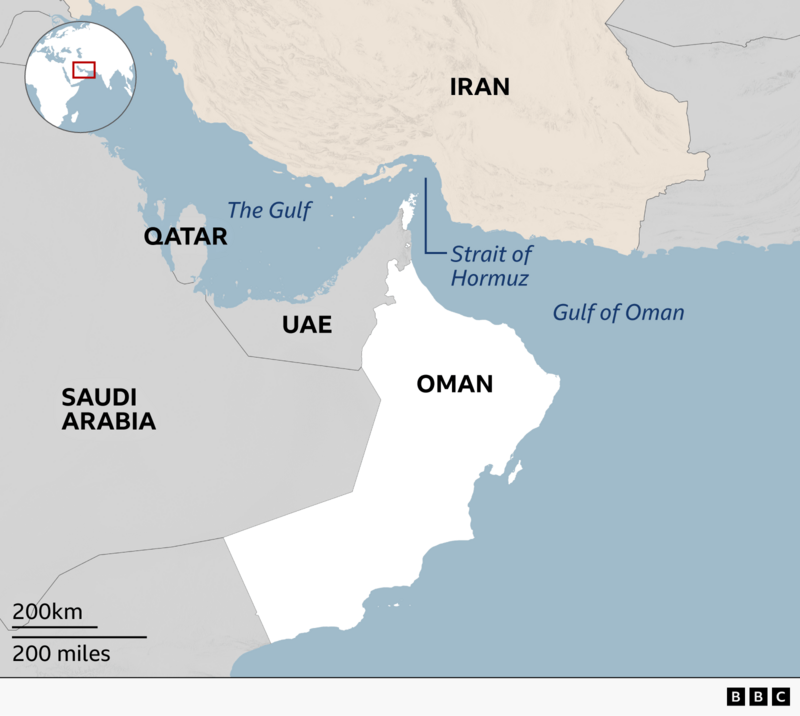
The warning comes after U.S. Central Command released footage of its strikes on Iranian-linked tankers in the Gulf, and Iran’s Navy claims the U.S. destroyed a remote‑controlled vessel near the Strait of Hormuz. American officials have denied these accusations, but the U.S. Defence Secretary tweeted a direct threat to sink Iranian oil tankers if they attack U.S. ships.
Over the past two weeks, the U.S. resumed attacks on Iranian targets while Iran counter‑attacked in the UAE, Bahrain, Kuwait and Jordan. The expanded fighting has already raised gas prices worldwide, with U.S. diesel reaching a record $5.85 per gallon. The Strait of Hormuz, a critical artery for 9 million barrels of oil a day, has seen increased military activity, threatening global supply chains.
With the 60‑day ceasefire expired last month and diplomatic talks stalled, the international community faces a prolonged conflict that could alter the balance of power in the Middle East and shift how energy markets adapt to geopolitical pressure.