For months, rumors have surrounded last year's alleged Independence Day coup plot in Nigeria. With the indictment of six accused individuals revealing details of a complex plan to oust President Bola Tinubu, the nation grapples with alarming revelations.
Set for October 1, 2025, on Nigeria's 65th Independence anniversary, the plot's cover was blown just before planned celebrations. The parade was suddenly canceled, leaving the public in the dark.
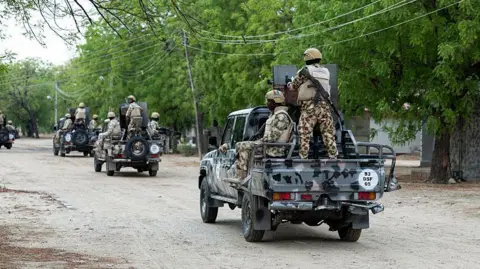
The military's admission of foiling a coup attempt in January raised eyebrows, revealing a network of involvement that intricately connects military, political, and civilian spheres.
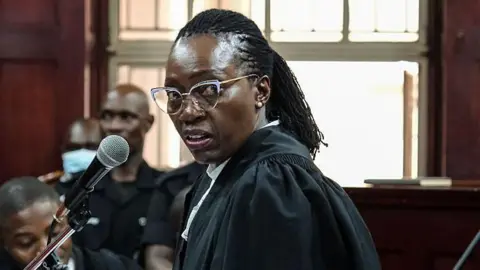
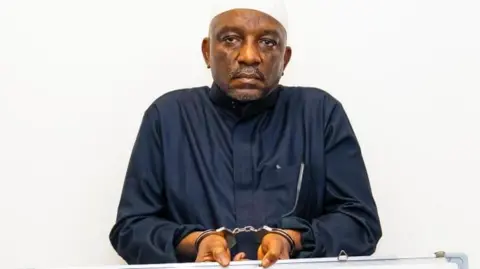
The six individuals now facing trial include both civilians and retired military personnel, indicating the alleged plot's broad reach. Charges such as treason and terrorism highlight the seriousness of the accusations.
Colonel Mohammed Ma'aji is identified as the alleged mastermind, a figure with a murky history tied to oil businesses and past conflicts in Nigeria. Moreover, Timipre Sylva, a political figure and businessman, is mentioned as a potential financier, though he has not been formally charged.
Amidst this turmoil, Sani Abdulkadir, a cleric, has also found himself embroiled in the scandal, accused of supporting the plot through 'prayers' rather than active militancy. The implications of such a collaboration speak volumes about the intertwining of faith and politics in Nigerian society.
As the investigation unfolds, the presence of a Nollywood figure, Stanley Amandi, suggested using media connections to garner public support raises eyebrows about the depth of this alleged coup plot.
With the military proceeding to close-door trials for over 30 officers, the citizens await the next chapter in this unfolding narrative, grappling with fears about the stability of Nigeria’s democracy.