In brief
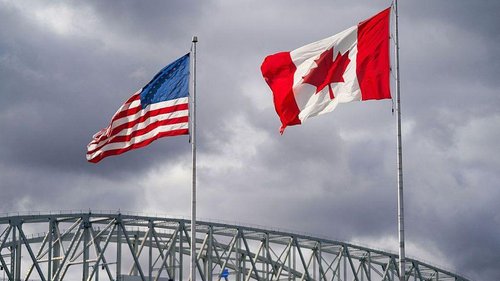
Amid ongoing trade tensions, small Chinese businesses are feeling the sting of high tariffs imposed by the US, leaving products unsold and workers anxious. While some hope for a resolution, many are adapting by exploring new markets.
As Chinese small businesses stare down the impact of US tariffs, the struggles of entrepreneurs like Lionel Xu showcase the economic war's toll. "Trump is a crazy man," Xu says, surrounded by his overlooked mosquito repellent kits that once thrived in Walmart. With a staggering 145% tariff on Chinese imports, Xu's goods are sidelined in warehouses, leaving around 400 workers at his company, Sorbo Technology, worried about job security.Nearby, Amy from Guangdong Sailing Trade Company echoes disappointment, stating, "We have stopped production already." The Canton Fair, a bustling hub for trade, sees many similar booths filled with idle products as the US-China trade relationship remains tense. President Trump recently paused tariffs, but Chinese goods still bear heavy levies, leaving American buyers struggling with high prices.Despite the challenges, Xu remains hopeful about a negotiated solution, while vendors like Hy Vian observe, "If they don’t want us to export – then let them wait," hinting at a shift to focus on domestic sales. However, the reality paints a bleaker picture as middle-class consumers tighten their belts in response to economic instability.As the Chinese economy confronts downturns and the potential loss of the US as a trading partner, workers in factories and workshops express frustration over falling wages and job scarcity. With rising tariffs and minimal communication between US and Chinese leaders, many are forced to look for alternative markets to survive, underscoring the far-reaching impact of this trade war on global commerce and the lives of ordinary workers.