In brief
Hong Kong’s court sentenced three activists who led yearly vigils commemorating the 1989 Tiananmen crackdown to prison terms ranging from five to seven years. The defendants—Lee Cheuk‑yan, Chow Hang‑tung and Albert Ho—were charged under the city’s controversial national security law, accused of inciting anti‑state actions. Their trials highlighted the shrinking space for historical remembrance in Hong Kong, where the vigils once drew tens of thousands. Human rights groups condemned the verdict as a chilling blow to free expression.
7‑Year Prison Terms for Tiananmen Vigil Organisers
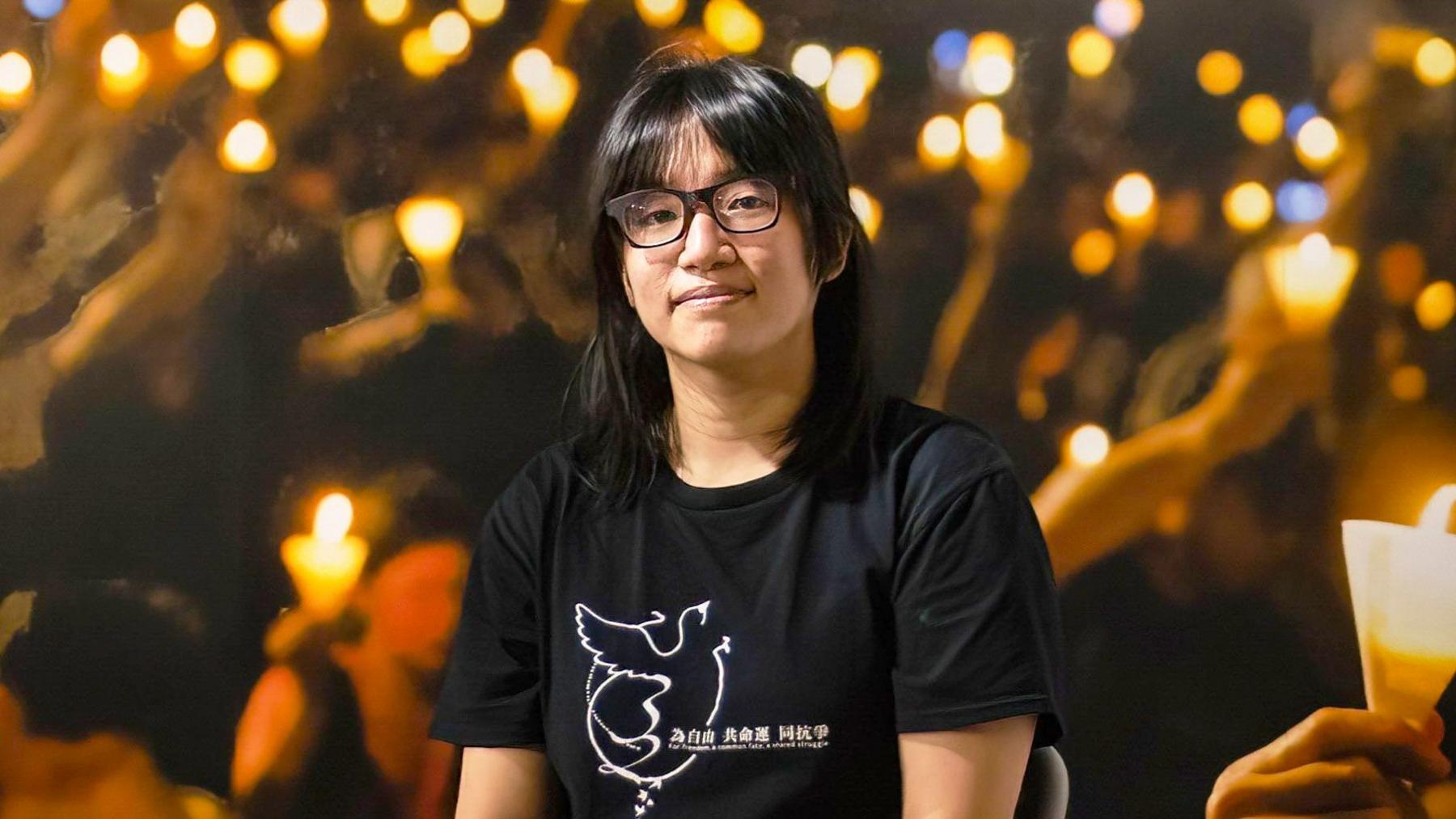
Hong Kong prosecutors used the national security law—introduced last year—to convict three activists who organized annual vigils for the Tiananmen Square crackdown. Lee Cheuk‑yan (69) received seven years, Chow Hang‑tung (41) got seven years and three months, while Albert Ho (74), who pleaded guilty, was sentenced to five years.
The vigils, once a major gathering spot for Hong Kong residents, were banned in 2020 under COVID rules and never resumed, as the new law broadened the definition of dissent. The court said the trio’s slogan “ending one‑party dictatorship” incited people against the Chinese Communist Party.
The ruling has drawn sharp criticism from organisations such as Amnesty International and Human Rights Watch, who warned that the sentences stifle the ability to remember a pivotal moment in modern Chinese history.
While the activists face a long prison sentence, their families and supporters call for an appeal and emphasize the importance of free remembrance.