In brief
The Gironde region is battling a deadly heatwave that drives huge wildfires across towns and forests. Aerial Canadair planes pour water, followed by helicopters spraying fire retardant. Firefighters and local volunteers work around the clock to keep the flames below, even as residents flee from burning villages. The battle is relentless but gives a glimpse into how communities defend themselves against nature’s fury.
July 2026 has turned France’s Gironde region into a blazing battlefield. A scorching heatwave has pushed temperatures to 40°C, igniting forests and pushing flames to soar over towns.
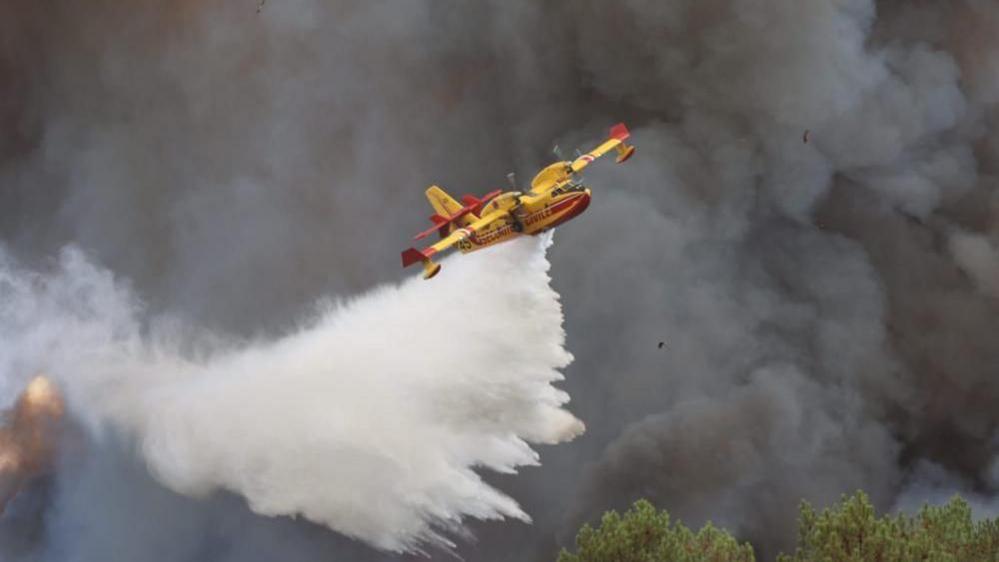
In response, the French National Fire Service sends in a three‑aircraft aerial squad. Canadair planes arrive in formation, bank sharply over black plumes and release more than 1,000 gallons of water each. A succession of helicopters follows, unleashing red fire retardant across the hotspots.
When the smoldering smoke starts to calm, ground crews break into the forest on foot. They set firebreaks, gather water and spray the soil to keep future flames from spreading. Thousands of residents are evacuated from towns such as Bordeaux and Le Porge as the fires march toward the coast.
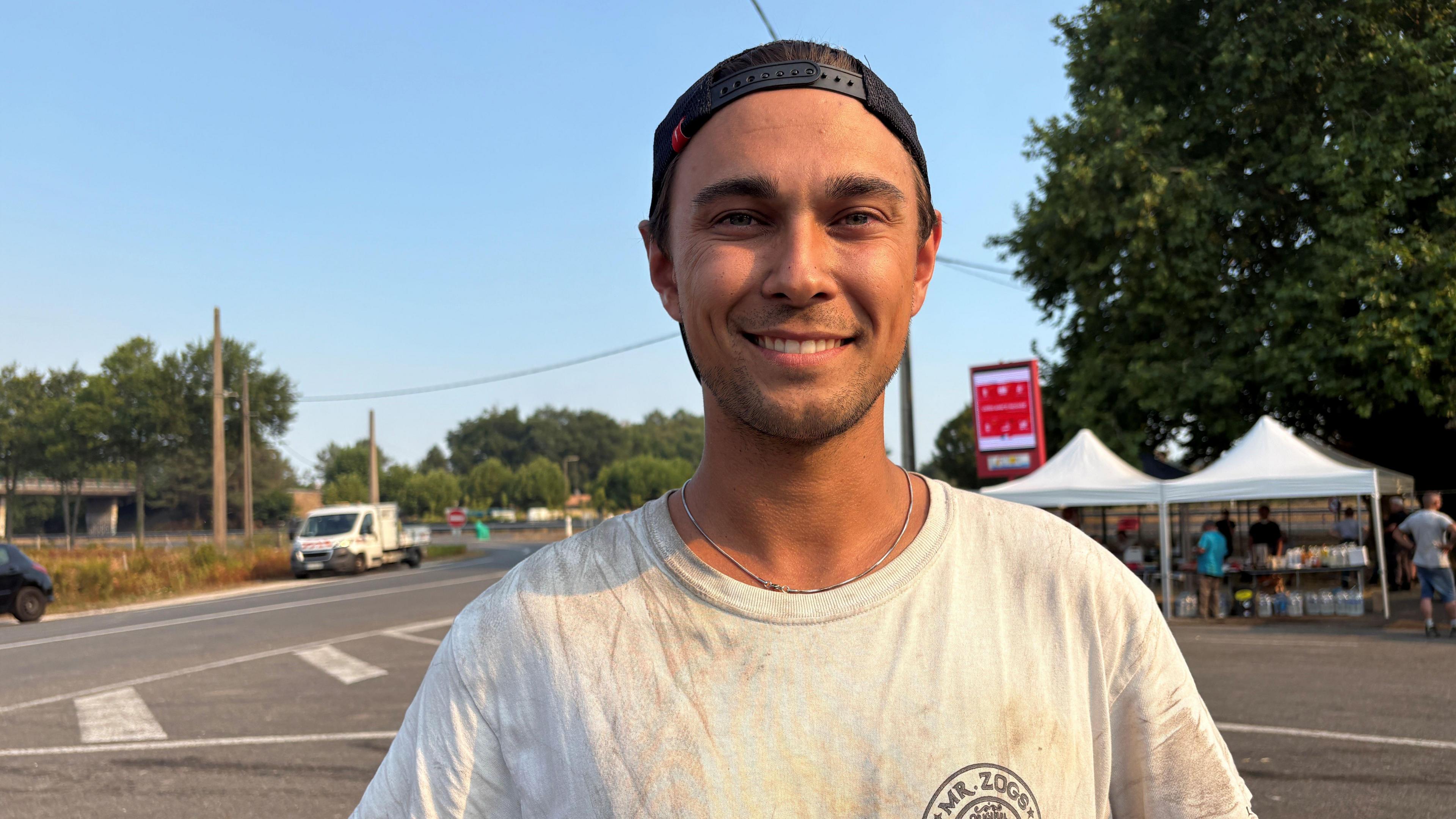
Local volunteers, armed with tanks of water and a fierce determination, join the official teams. One volunteer, Hugo, returns from Bali to help protect his family’s home in the village of Arès. A nurse, Maëlys, balances hospital duties with evening runs to put out small local blazes. Their stories highlight the community spirit that keeps fighting spirits alive.
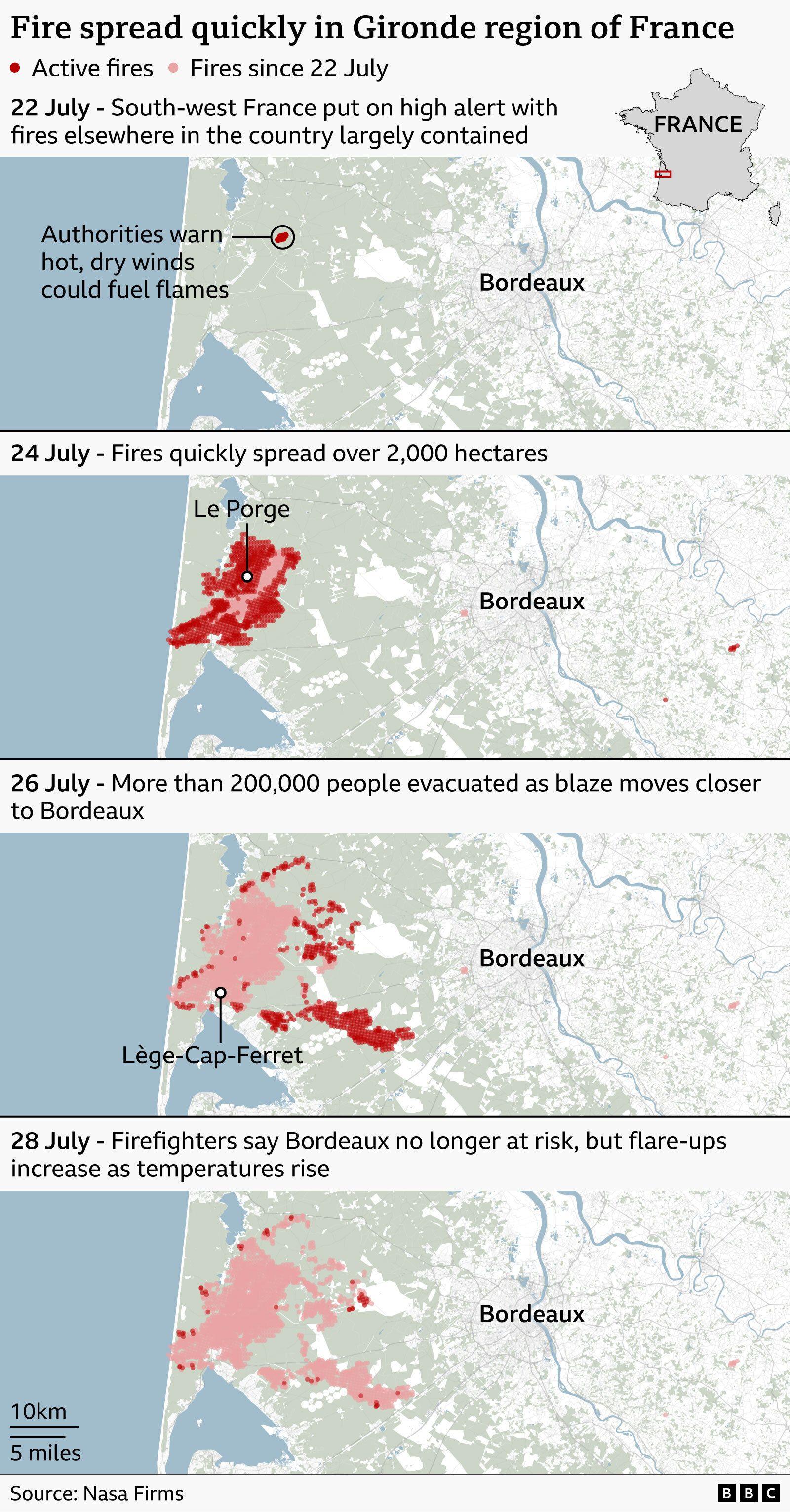
The blaze’s reach is mapped by NASA’s satellite data. The map shows how a single spark on the 22nd exploded into multiple large fronts in the days that followed, prompting a mass evacuation of over 200,000 people.
Firefighters source water from the very same dried‑up forest floor they are fighting. They use a technique called “noyer” – literally drowning the fire – to reduce the heat sink for any remaining embers.
The front line of French fire crews is more than just wood‑cutting and hoses; it is a relentless battle of technology, teamwork, and community resilience. As the heatwave continues, authorities urge residents to stay alert and follow evacuation orders.