In brief
Colombia became the first Latin American country to ban female genital mutilation, following years of protests from Indigenous communities and activists. The story centers on Carla Quiñonez, a young woman whose grandmother performed the harmful ritual on her baby, leading to illness and death. With the new law in place, discussions are shifting from taboo to education, and more women in the Emberá tribe are questioning the practice for the first time. Experts say FGM, once invisible, now demands public attention and medical support, encouraging protection of future generations.
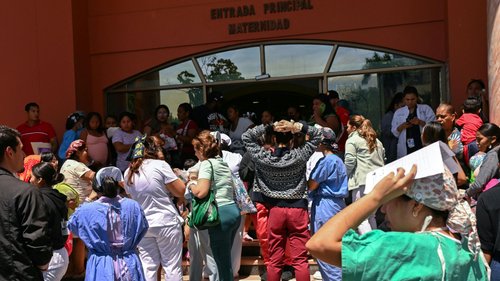
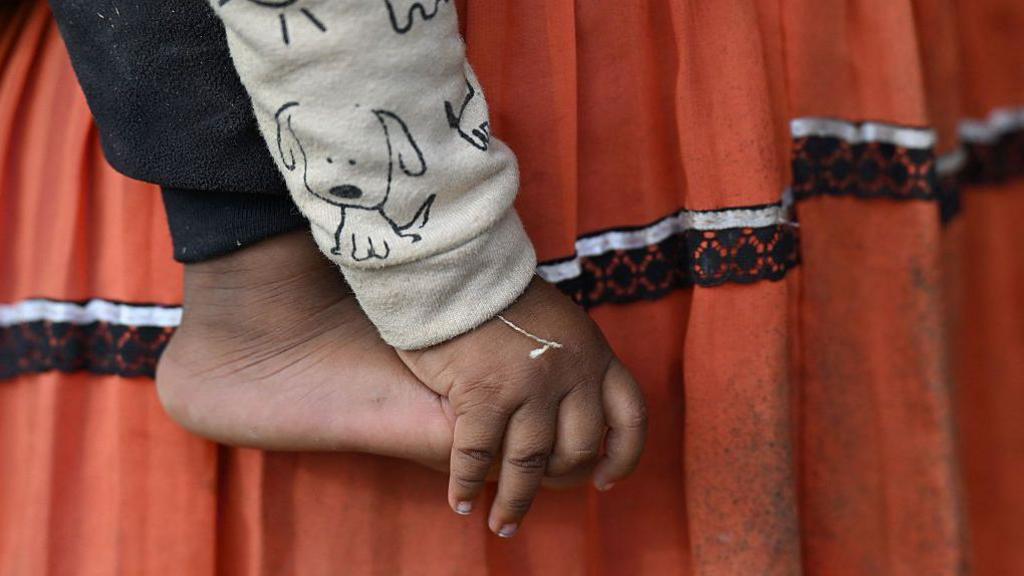
When a small girl’s grandmother performed a harmful ritual behind her parents’ backs, the injury hurt her more than the family ever imagined. The baby’s fever and swelling forced Carla Quiñonez, the mother’s daughter, to seek help that was far away and watched months later the child die. Carla’s story became the spark for a fight that finally made the Colombian legislature ban the practice.
The law passes consensus in Congress, but behind it stood 300 000 treaty‑wrapping Emberá people, activists, and a young woman who saw the hidden abuses in her community. She says the history of the ritual is tied to old fears, even myths that the clitoris could grow into a penis.
Clinical data show 240 cases of FGM in Colombia from 2020‑2026, almost all involving girls under six. A paediatrician, Diana Ramos, insists the story is “the tip of the iceberg” because many healings happen in secret. She stresses that while punishment is necessary, education and respectful conversation are key to curing the problem.
The elders, like Juliana Domico, see the culture’s beauty in its crafts, not in violence. They challenge the phrase “our culture kills” and say new laws must come with flexible policies and resources.
In the community, conversations are growing – women are finally speaking about what was once a clandestine tradition. Carla says one grandmother admitted she carried out a cut “to protect her daughters from men’s criticism.” Now, shifting stories means that some mothers will have to talk to their daughters honestly about body, identity, and health.
The new law and its expectations are just beginning. Communities, doctors, and lawmakers must work together to ensure every girl’s body is respected and protected without fear or shame.