In brief
RWE, a German power company, decided to scrap all its offshore wind ambitions in the United States after striking a $1.2bn deal with the Trump administration’s Department of the Interior. The payout has freed up capital that the company will use to invest in conventional gas projects, including a large LNG export terminal in Louisiana. Trump’s administration has been pushing to halt offshore wind, citing high costs and danger to wildlife. This deal follows similar agreements that ended French and American firms’ wind plans, highlighting a policy shift toward fossil fuel infrastructure in the U.S. The move shows how political pressures can redirect renewable energy investments to more traditional energy sources.
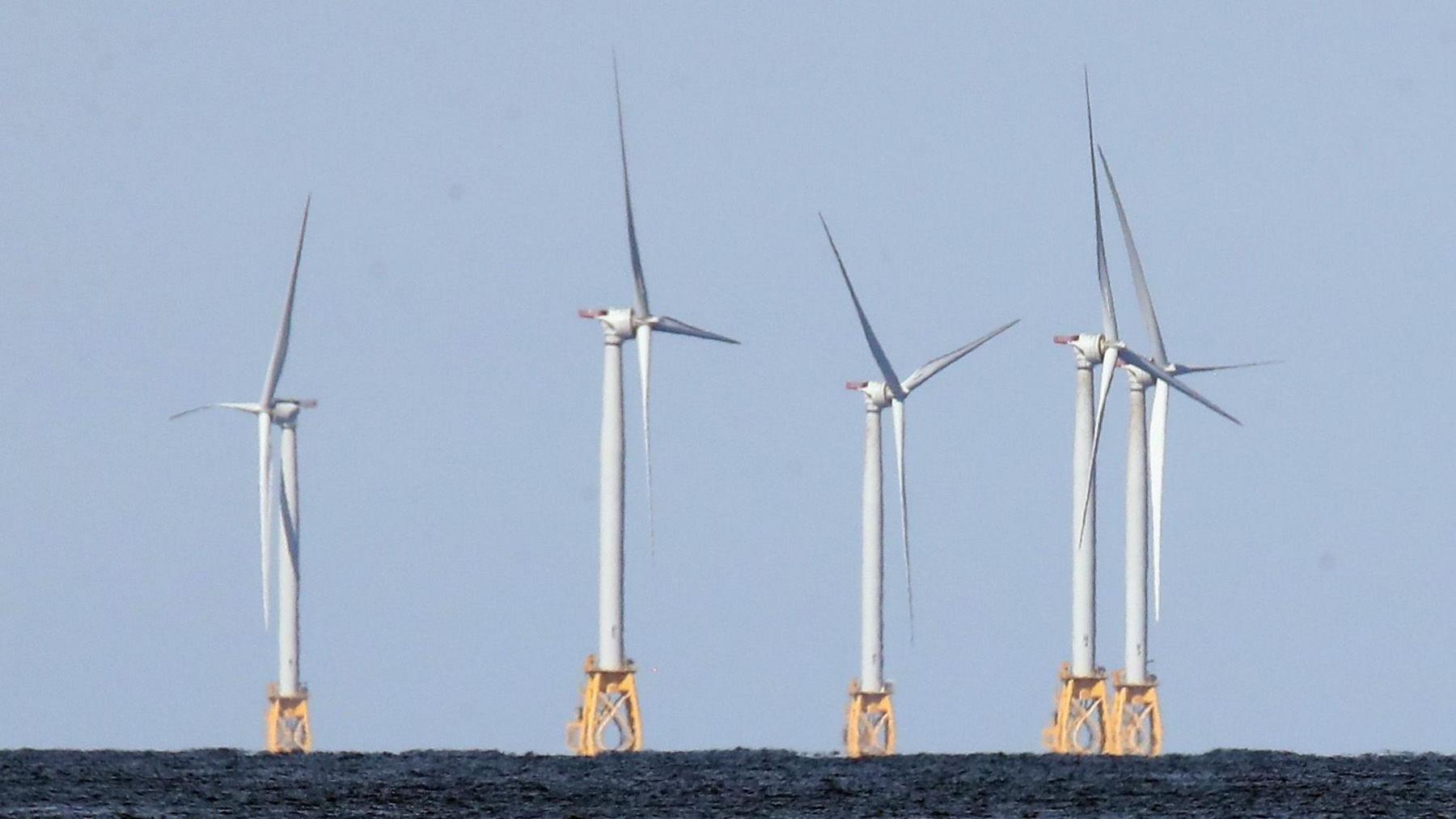
RWE, the German powerhouse, will no longer develop offshore wind sites off the Californian, Louisiana or New York coasts after an agreement with the Trump administration’s Department of the Interior. The deal pays the company $1.2bn, a chunk of money that will be redirected into gas projects, including a $900m LNG export terminal in Louisiana.
Key Points
- RWE agreed to give up leases in California, Louisiana, and the New York Bight.
- The company will invest roughly €17bn in the U.S. over six years to grow its power capacity.
- Interior Secretary Doug Burgum welcomed the move as a boost to U.S. energy security.
- Trump’s stance on wind has long been hostile; he calls turbines "big, ugly" and threatens wildlife.
- Similar payouts have ended French (TotalEnergies) and American (Duke Energy) wind deals, shifting funds to oil, gas, and other conventional projects.
Why It Matters
This agreement is part of a broader trend where the U.S. government favors fossil fuels over renewable projects. By blocking offshore wind, the administration is pushing companies toward oil and gas infrastructure, even as the world moves toward cleaner energy. For young readers, it highlights how politics, economics, and environmental concerns intersect on the global energy map.
Stay tuned for more updates on how U.S. energy policy is reshaping the planet’s future while keeping a keen eye on how these moves affect technology, jobs, and the fight against climate change.