In brief
Tourists flock to China's enchanting sinkholes, unveiling ancient forests and unique ecosystems. While this attracts adventure seekers, experts warn about the need for conservation amid rising tourism.
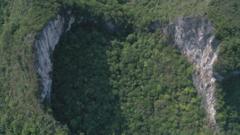
Giant sinkholes in Guangxi province, China, are turning heads as they become exhilarating tourist spots, revealing underground treasures of ancient forests and unique ecosystems. Previously feared and unexplored, these massive “heavenly pits” are enchanting adventurers like Rui and her boyfriend Michael, who recently rappelled into one of these marvels. Gao Fei, a local guide, recalls legends of demons that once kept him away from these natural wonders.The region boasts two-thirds of the world's sinkholes, with Guangxi holding the greatest number, including the discovery of a vast ancient forest just two years ago. Scientists have recently found rare species previously thought extinct in these isolated caverns, along with others unknown to science. The intertwining of this ecological treasure with adventure tourism has raised alarms regarding the sustainability of these delicate environments.While tourism can boost development for local communities like Ping’e village, conservationists voice concerns over the environmental impact of increased visitation. Dr. Lina Shen, a leading researcher, advocates for stricter protections and sustainable tourism efforts that allow exploration while preserving these rare habitats.As the story unfolds, visitors like Rui and Michael are balancing their thrill-seeking with a newfound respect for the environment, understanding that these adventures come with responsibilities to protect the sinkholes and their surroundings from overexploitation. Together, the joy of discovery and the urgency of conservation create a compelling narrative for both tourists and scientists alike.