
In brief
A Colombian farmer in Meta province swapped steaming coca bushes for cassava and plantain, only to see the promised government support disappear, pushing him back to illegal drugs. Perea’s story mirrors thousands of farmers who joined a substitution programme that promised aid but delivered none. Armed groups and road barriers keep rural communities shut out, while international cocaine demand keeps coca economically viable. New initiatives try to broaden support, yet doubts remain about turning a deeply entrenched crop into a legitimate livelihood. The result: farmers stuck between survival and the criminal economy.
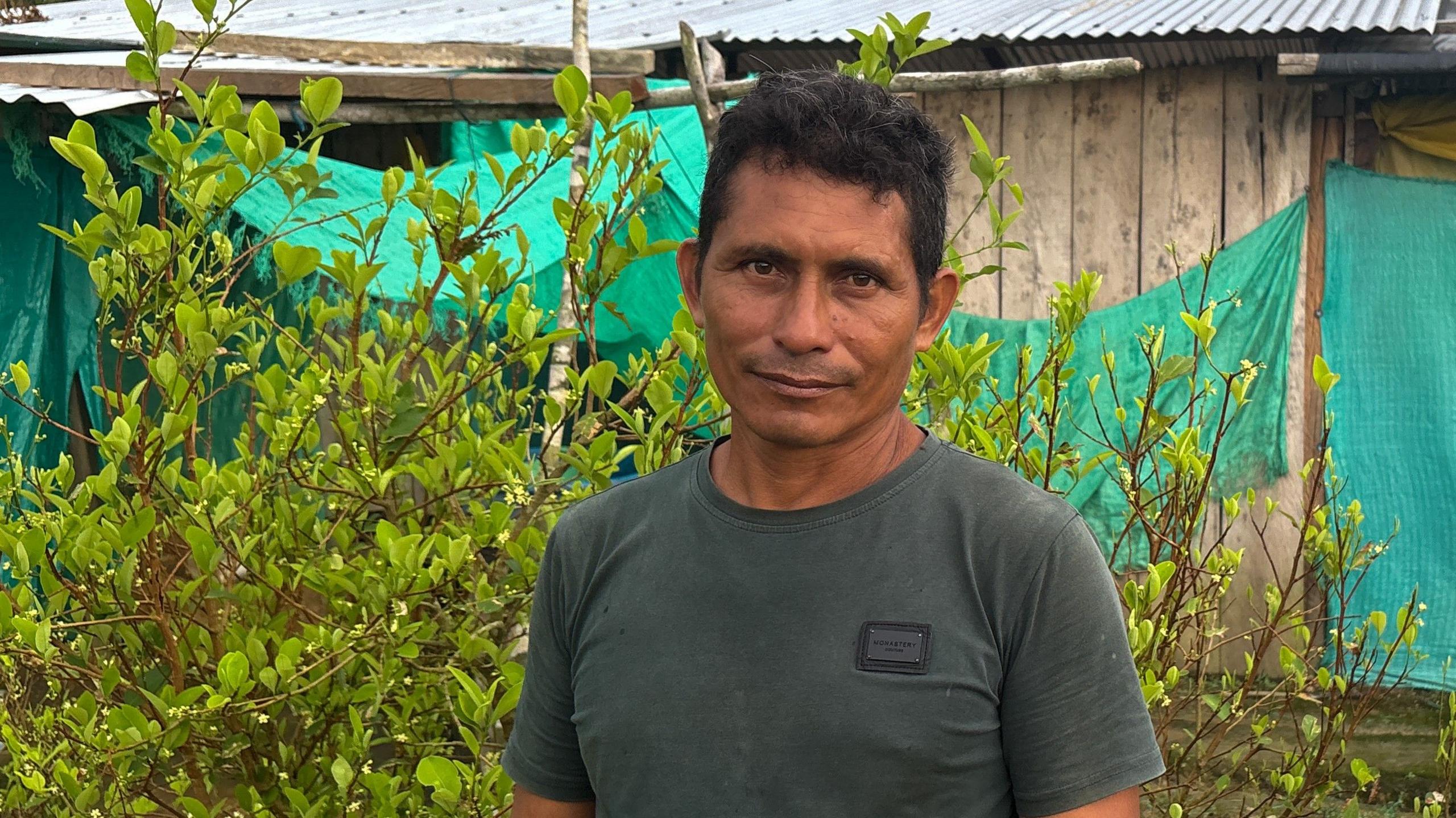
A small farm in Meta province, Colombia, once thrusted with hope when the government promised help to ditch coca plants, now closes its shutters as aid never arrives. Farmer Perea uprooted his coca bushes, planting cassava and plantain, but the promised roads and market access never materialized and he finally turned his hand back to the very crop that had drawn him in.
By 2024 he was back on coca, saying “If no help ever arrives, you go back to growing it.” His story echoes thousands of other farmers who signed up for the National Comprehensive Programme for Substitution of Illicit Crops (PNIS), only to face delays, broken support and a government whose priorities kept shifting.
In southern Meta and Guaviare, some soils have been replaced by banana farms and livestock, but many still feel abandoned after years of stalled payments, lack of technical support, and the scourge of armed groups that fill the void left by the faltering peace deal.
While international demand for cocaine keeps the coca market alive, new initiatives like RenHacemos promise wider infrastructure support, but critics argue whether such policy changes can shift a profitable crop that is entrenched in rural economies.
Perea’s voice comes from a remote house, where he recounts how daily life is “living day to day, sometimes even running out of food.” That view is a sobering reminder that the fight against illicit crops is as much about offering farmers a viable alternative as it is about policing and eradication.