In brief
The surreal scene at La Guaira’s Los Silos port, now a makeshift morgue, shows families lining up under the scorching sun to identify bodies recovered from the epicenter of twin earthquakes that killed over 2,600 people. Personal stories of loss, such as a 60‑year‑old woman finding her nephew’s tattoo amid thousands of photos, highlight the emotional toll of the disaster. With limited infrastructure, officials use dental scans, clothing clues and two TV screens to help relatives recognize their dead. While recovery teams work, families endure long waits for paperwork, transport and the fragile dignity of the deceased. The event underscores how disaster response can become a public drama that pulls communities into shared mourning and, sometimes, unexpected resilience.
This story contains distressing details.
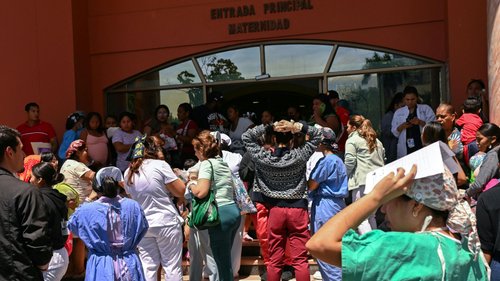
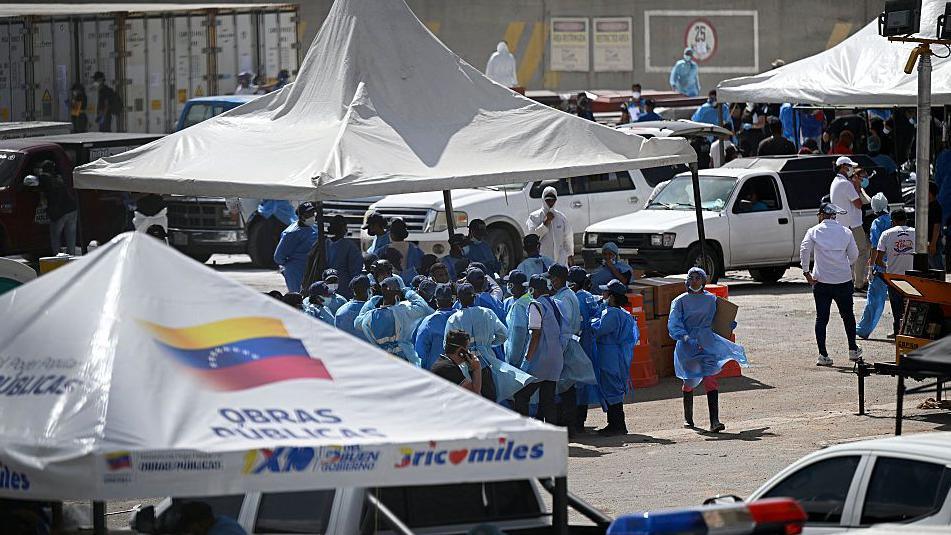
After twin earthquakes cracked the Venezuelan coast, a port‑storage yard in La Guaira was repurposed as a makeshift morgue. Families, many of whom had already scoured hospitals and shelters for days, crowd in rows of chairs inside and outside the large white tent to wait for a moment that might end everything.
At the intersection of two TV screens that flash thousands of body photographs, relatives pull out a crumpled blanket, a bracelet or a distinctive tattoo. A 60‑year‑old woman, Liliana González, told us that finding her nephew’s tattoo was a surprise that broke a prior sense of hopelessness. The process is long: once a body is identified, officials take fingerprints if possible, place the remains in coffins and begin the paperwork for death certificates.
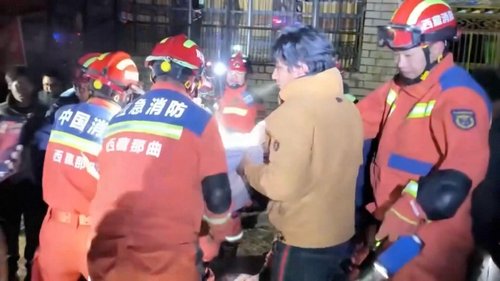
Behind the scenes, hands guarded with hazmat suits move bodies out of the tent and into refrigerated trucks, still cooling under a blistering sun. Families sit in silence, some scrolling through their phones, others simply trying to keep their breath from catching as they await the next step in the griefful ritual.
From an earlier story, Modesta Alemán, trying to locate her sister, explained, “They told us there were no survivors. We heard voices from the building, but no one could get out.” Even the most optimistic survivors keep a distance from the actual identification, preferring the formality of paperwork to the emotional weight of seeing a body.
Below, the footage shows the two long, white and grey tents that now make up the makeshift morgue. The community’s resilience is clear: volunteers, medics, law‑enforcement, and families all wrestle with the emotional demands and procedural maze of this disaster. It’s a reminder of how crucial a clear, coordinated response is when nature upends routine life.
If you’re part of a group that’s facing a disaster, or if you want to support global efforts to improve emergency response, consider helping create a quick list of key items for identification—like a picture of family members, favorite jewelry or significant tattoos. Small gestures can have an enormous impact when moments like these come.