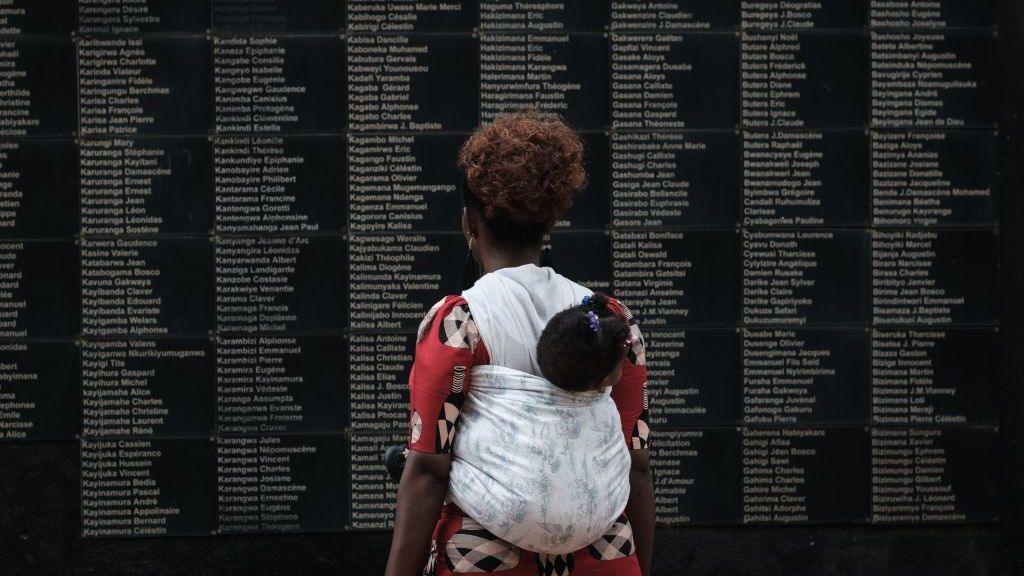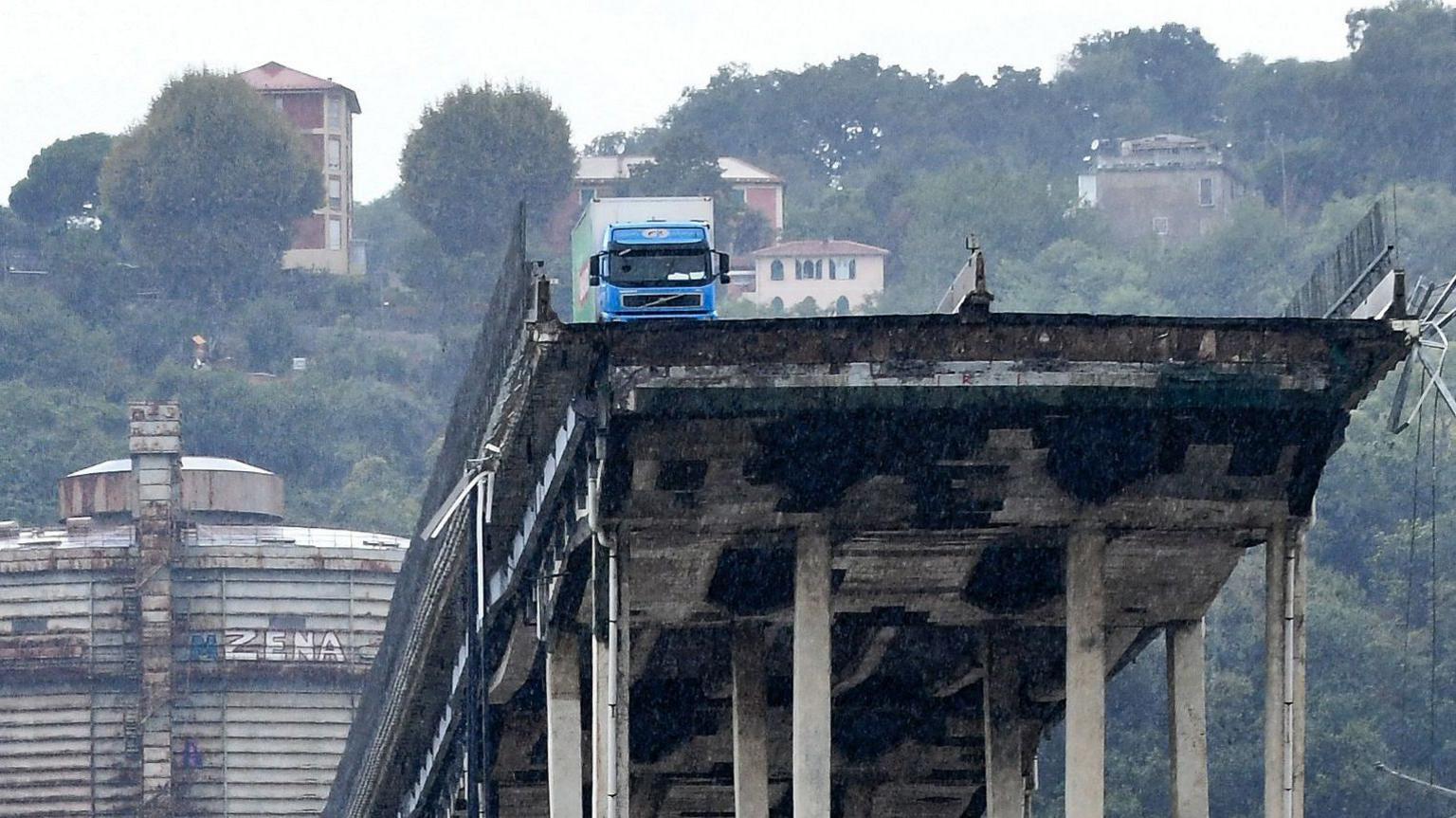
On the morning of Aug 14 2018, a newlyweds’ family drove to the Italian Riviera when the Morandi bridge in Genoa gave way, sending their car and others crashing into the river below. The collapse took 43 lives, including the family’s 47‑year‑old mother, her new husband and their two children.
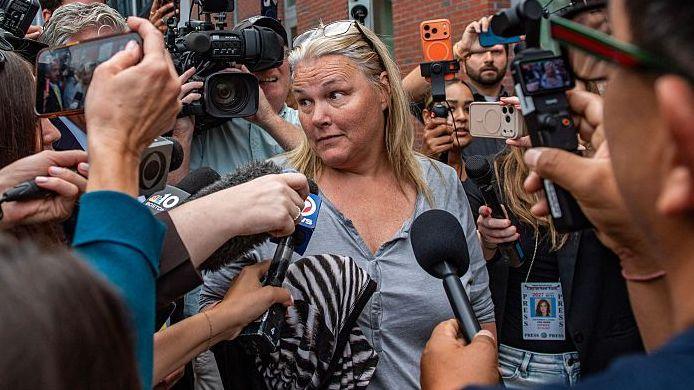
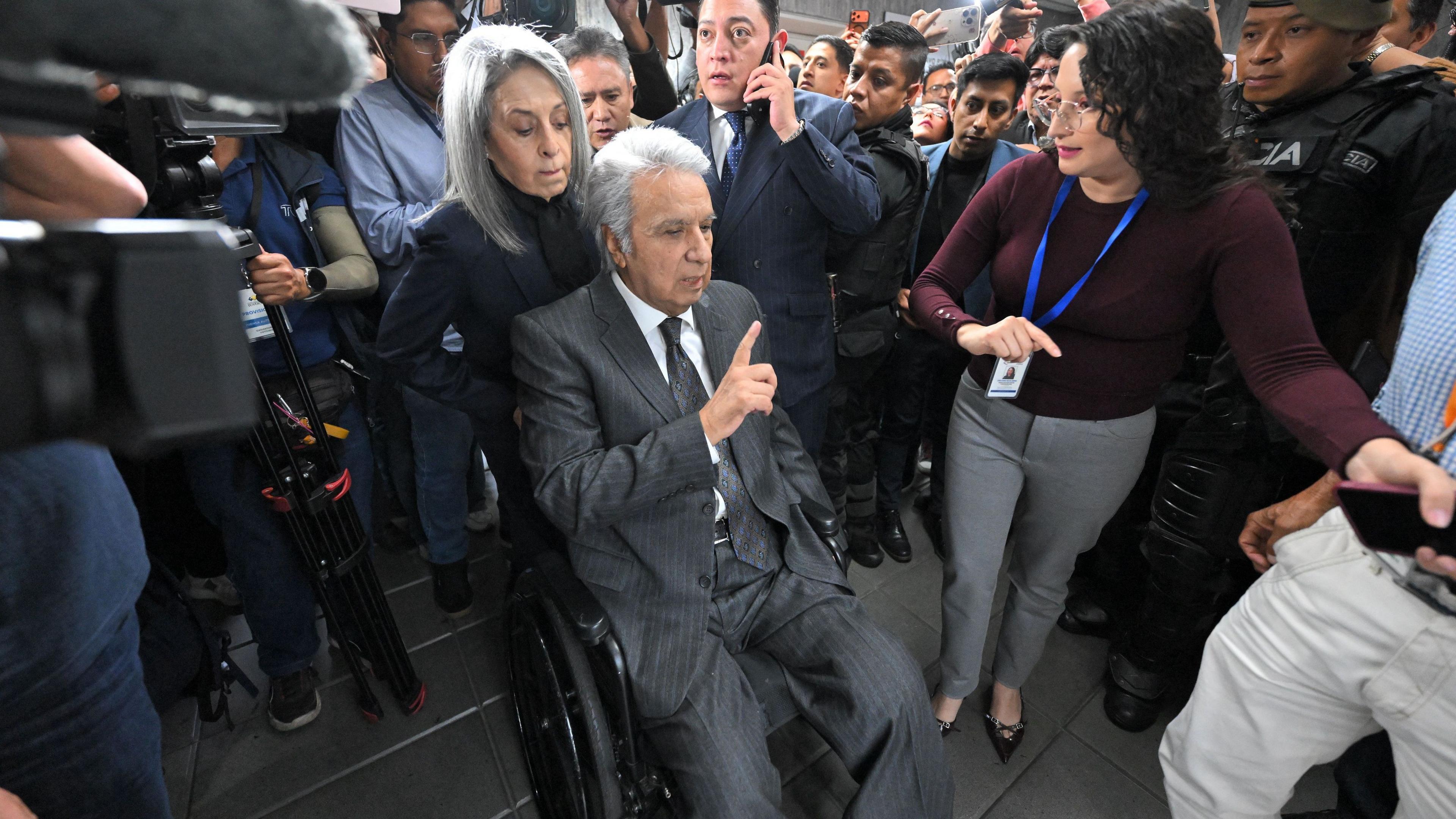
Now, almost eight years later, relatives—most notably Claudia’s sister Egle Possetti—are heading to Genoa’s courthouse to hear the first‑instance verdict of a trial that has already sat for 284 hearings. The trial has seen 57 defendants charged, from former executives of Autostrade per l'Italia and its parent company Atlantia to engineers at the maintenance firm Spea and former transport ministry officials.
Defendants argue a design flaw in a buried cable doomed the bridge, while prosecutors point to repeated maintenance delays and ignored warning signs. The case has highlighted how Italy’s aging infrastructure, and the slow pace of its justice system, can leave families without answers for years.
After the verdict, families plan a press conference. An apology from the former road‑operator’s chief executive was issued just before the hearings, acknowledging the tragedy and the moral duty to make amends.
The new Genoa San Giorgio bridge, designed by Renzo Piano, opened 18 months later in Aug 2020, and its white, sail‑like pillars echo the city’s maritime heritage. Yet the ghost of the old viaduct remains, a painful reminder that accountability and safety must keep pace with engineering ambition.