In brief
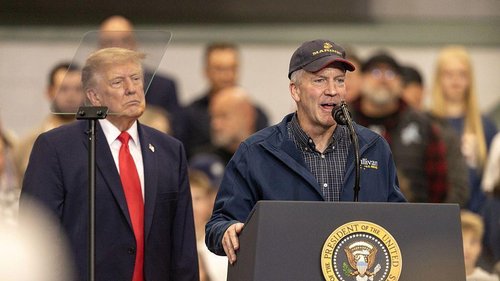
Residents in West Virginia express their concerns as proposed cuts to the Supplemental Nutrition Assistance Program (SNAP), a crucial aid for low-income families, loom in the ongoing Congressional budget discussions led by President Trump.
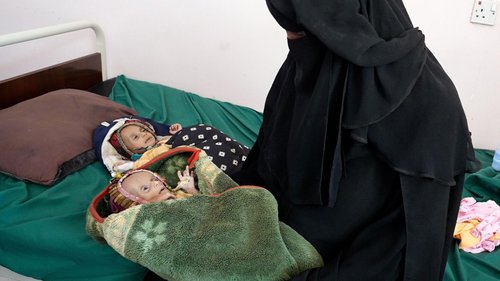
In Martinsburg, West Virginia, Elizabeth Butler hustles from store to store, searching for the best deals to stretch her family's grocery budget covered by federal food subsidies, known as SNAP. With 42 million Americans relying on this program, Butler often sees her groceries depleting before the month ends. "Our food doesn’t even last the month," she laments. The tight budget may soon be even tighter as Congress prepares to vote on President Trump's controversial "big beautiful bill," which includes significant cuts to SNAP.As Senate votes loom, discussions about cutting SNAP, which aids low-income families, resonate deeply in West Virginia, one of the states with the highest poverty rates, where 16% of residents depend on this support. The changes come amid rising grocery costs, contradicting Trump’s promises to lower prices. Many locals voice skepticism about how budget cuts could actually benefit them.While Republicans control Congress and have the power to pass the bill, internal divisions over SNAP and Medicaid cuts complicate matters. Recent polls indicate that 45% of Americans believe SNAP funding is insufficient, and many worry the cuts could endanger the support they desperately rely on. Concerns grow, echoed by voices like West Virginia Senator Jim Justice, who warns that the party could face backlash from voters if cuts proceed. The implications of these proposed changes weigh heavily on families. Jordan, a father of two relying on SNAP benefits, indicates readiness to take on additional work to ensure his family is fed. Similarly, Cameron Whetzel expresses frustration about his ineligible income while struggling to afford groceries amid rising prices.As the fate of the SNAP cuts remains uncertain, one thing is clear: the voices of those affected are urging lawmakers to reconsider their choices before it's too late.