In brief
In a dramatic court ruling, singer Chris Brown avoided jail after striking a music producer twice in the head with a tequila bottle at London’s Tape nightclub. The 8‑month prison term was suspended for a year, meaning he stays free unless he reoffends. Judge Tony Baumgartner said the violence “was plainly dangerous” and “intense,” while CCTV footage showed Brown hitting the victim four times, twice on the head. Both Brown and his vocal‑coach accomplice were ordered to pay £1,500 in costs. The case highlights how even big‑name celebrities face serious legal consequences for nightclub violence.
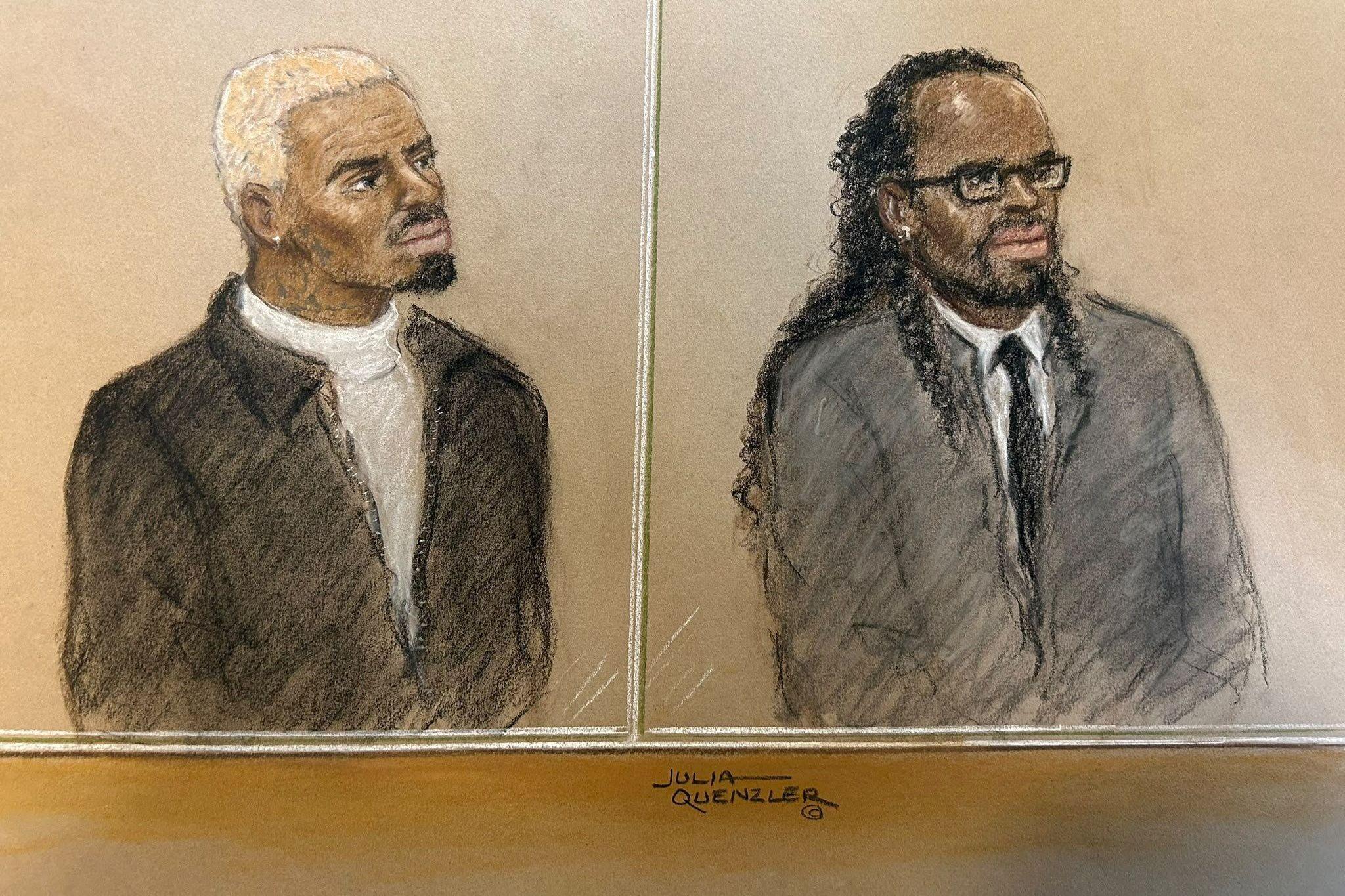
In an eye‑watering courtroom scene, UK fans watched as celebrated R&B star Chris Brown was handed an eight‑month prison sentence that won’t take him to jail – at least for the next twelve months. The 37‑year‑old was found guilty of affray after striking music producer Abraham ’Abe’ Diaw twice in the head with a glass tequila bottle, then punching him further. Judge Tony Baumgartner slammed the attack as “plenty dangerous” and “intense”, warning that a crowded club has a heightened risk for everyone present.
The judge explained that while the sentence is a solid jail term, the law now often defers custodial sentences unless there are “exceptional circumstances.” Brown and his accomplice, vocal coach Omololu Akinlolu, each got a four‑month prison term, suspended for a year, and were fined £1,500 in court costs. “The seriousness of the offence is undeniable, but the circumstances don’t meet the bar for immediate imprisonment,” Baumgartner said.
CCTV footage, shown in court, flashed the rapid 20‑second assault: Brown hurled the heavy square‑shaped bottle at Diaw twice to the head, then struck him again and followed with a punch from Akinlolu. The clip was blunt evidence of the violence that left the victim needing hospital treatment for head and knee injuries.
Despite the notoriety of the case, Brown’s lawyer offered a heartfelt apology, calling the incident “short, deeply regretted,” and emphasising Brown’s dedication as a father, a point many court observers found important. After the judge’s remarks, Brown walked out of the glass dock, clapping hands with Akinlolu, with fans cheering and cameras flashing.
After a quick Instagram story from his car, Brown texted a thumbs‑up to his followers, but the story reminded everyone that countable actions can still ripple across law and society. The outcome underlines that even high‑profile artists are not exempt from the consequences of violent acts.