In brief
India's successful and budget-friendly approach in space exploration is driven by homegrown technology, innovative solutions, and a passionate workforce, setting it apart from other space agencies.
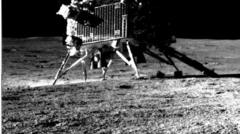
India recently revealed a budget of 227 billion rupees for ambitious space projects, highlighting its cost-effective mission strategies. ISRO's Chandrayaan-3 mission only cost $75 million, far less than similar global missions like NASA's Maven. Retired ISRO official Sisir Kumar Das attributed this cost efficiency to a robust self-sufficient approach starting from the 1960s, where local manufacturing and minimal outsourcing became the norm. Unlike NASA's extensive contractor model, ISRO relies on its own technology and a streamlined team structure, allowing for lower salaries and fewer personnel. Experts believe that while India's missions are cost-effective now, upcoming goals, like human space travel by 2040, may increase expenses. The introduction of a Next Generation Launch Vehicle in 2032 symbolizes growing ambitions but could alter ISRO's budget-friendly model. As India embraces a more open approach to the space sector, the affordability of its future missions remains uncertain.