EU Lauds Spain’s Rapid Response to Ceuta Migrant Surge
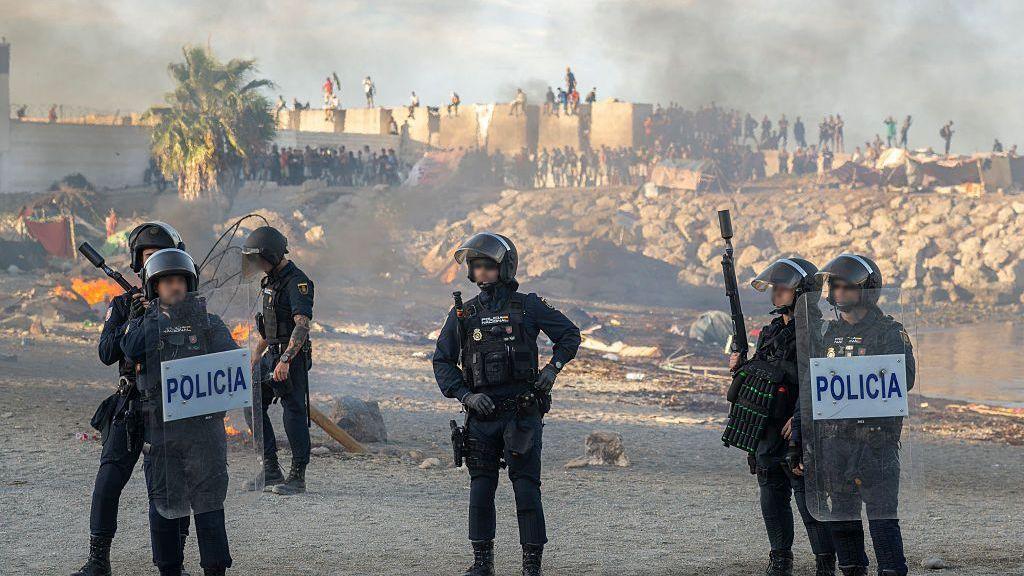
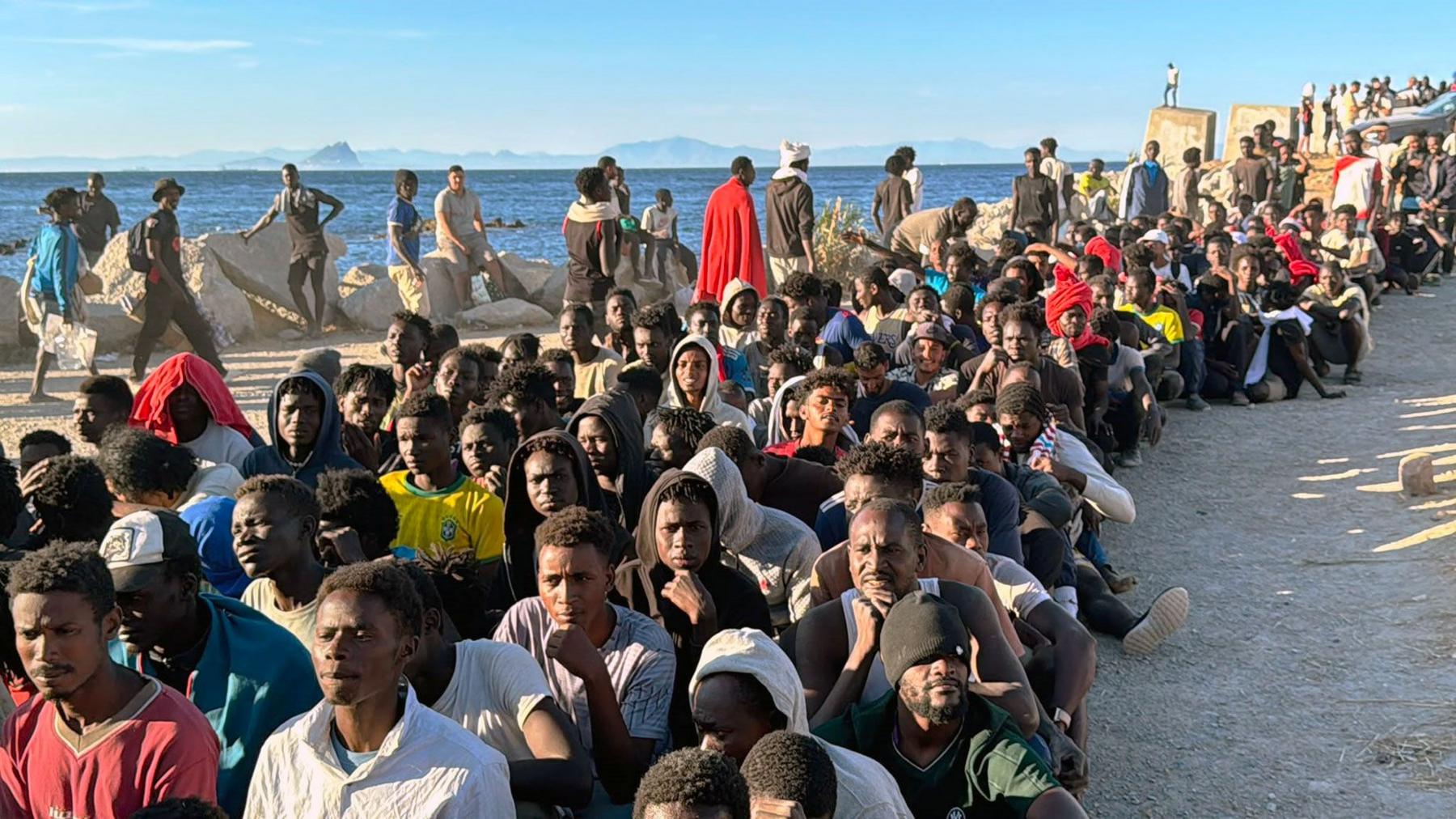
A sheer wave of more than 70,000 people crossed from Morocco into Spain’s Ceuta enclave between July 30 and 31, creating a crisis that caught EU leaders’ eyes.
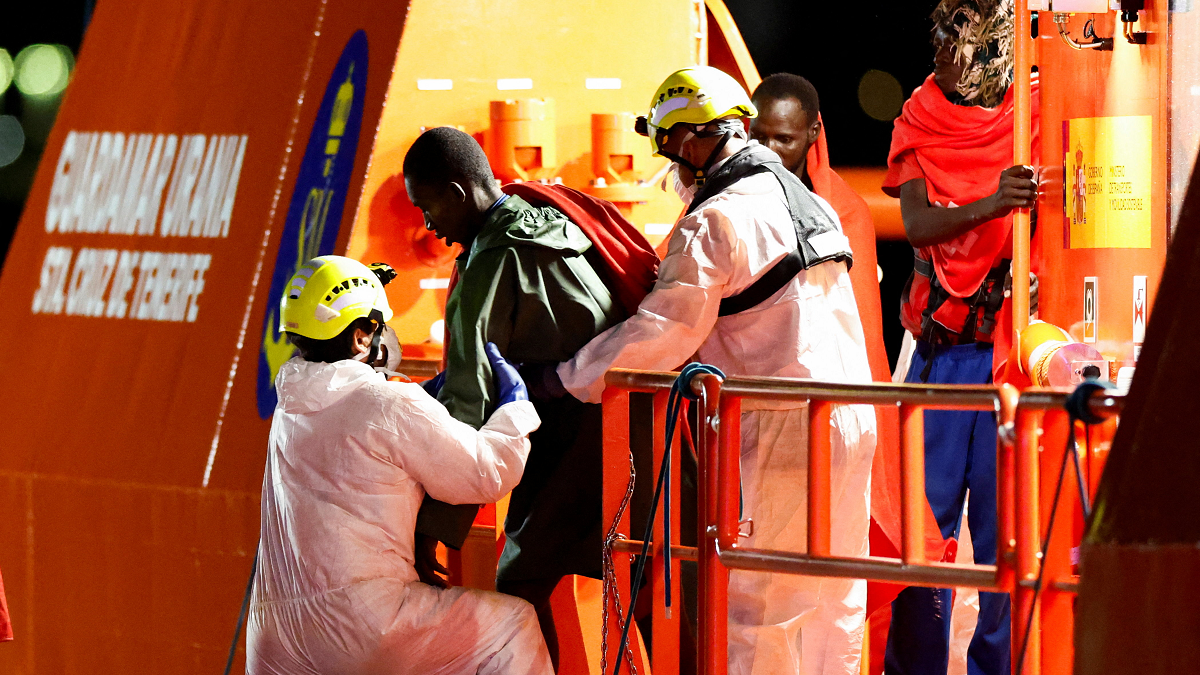
Spain’s Interior Minister Fernando Grande‑Marlaska said the government moved quickly to offer aid, organise repatriations and coordinate with Moroccan authorities. He also pledged more €25 million to support children and other vulnerable migrants.
The EU’s interior ministers met on Tuesday to discuss the situation. While some members—especially Italy—expressed shock at the “shocking” images and temporarily suspended Schengen borders with Spain, the meeting overall celebrated Spain’s swift action.
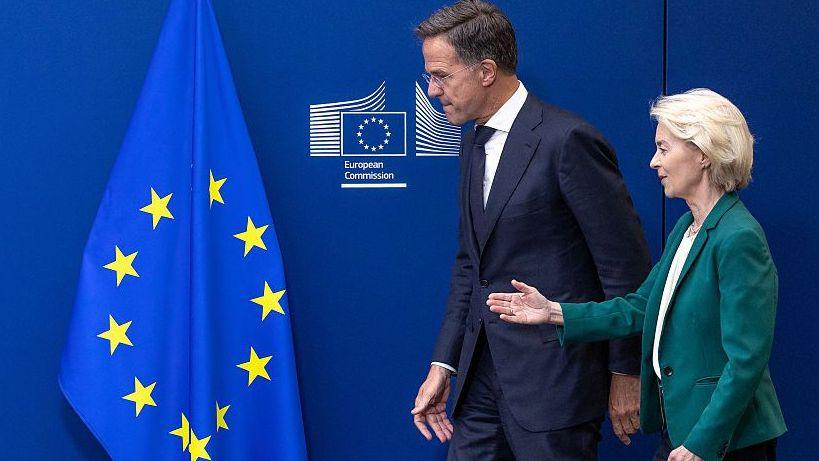
European Commissioner Magnus Brunner called the crisis a test of EU resilience, saying the body had successfully “passed” it. He also announced emergency financial support for Spanish border security.
Spain’s Prime Minister Pedro Sánchez criticised attacks from some EU partners, calling them driven by prejudice and “fake news.” He emphasized that Ceuta is not part of the Schengen area and that Spain’s border controls remained uncompromised.
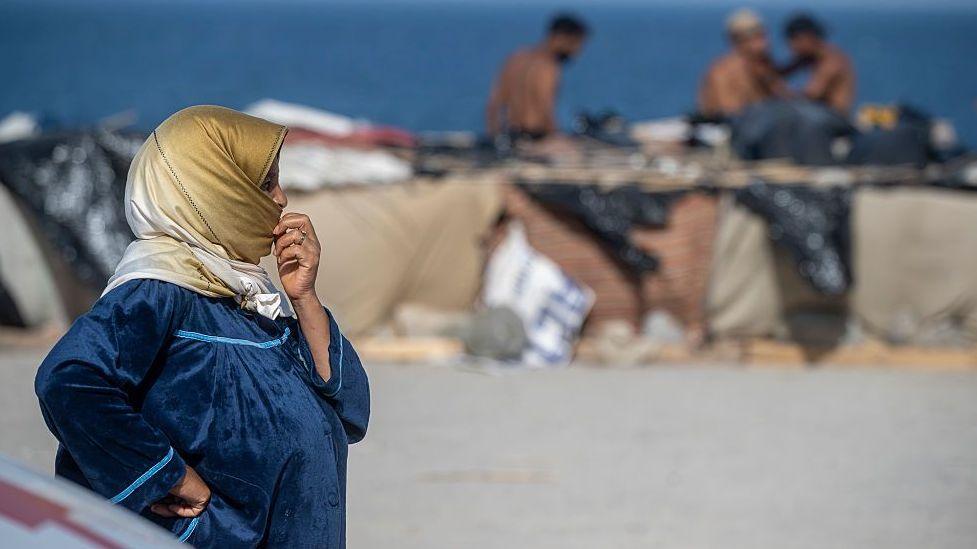
Despite the pressure, migrants themselves still face tough conditions. Several groups are sitting on beaches or sleeping on streets, holding makeshift banners that read “asylum.” Interviews with migrants, such as a 23‑year‑old from Casablanca, reveal desperation and a strong desire to reach Europe for better life prospects.
Moving forward, Spain stresses that any remaining migrants will be returned to Morocco promptly and that no one will be left without basic supplies.
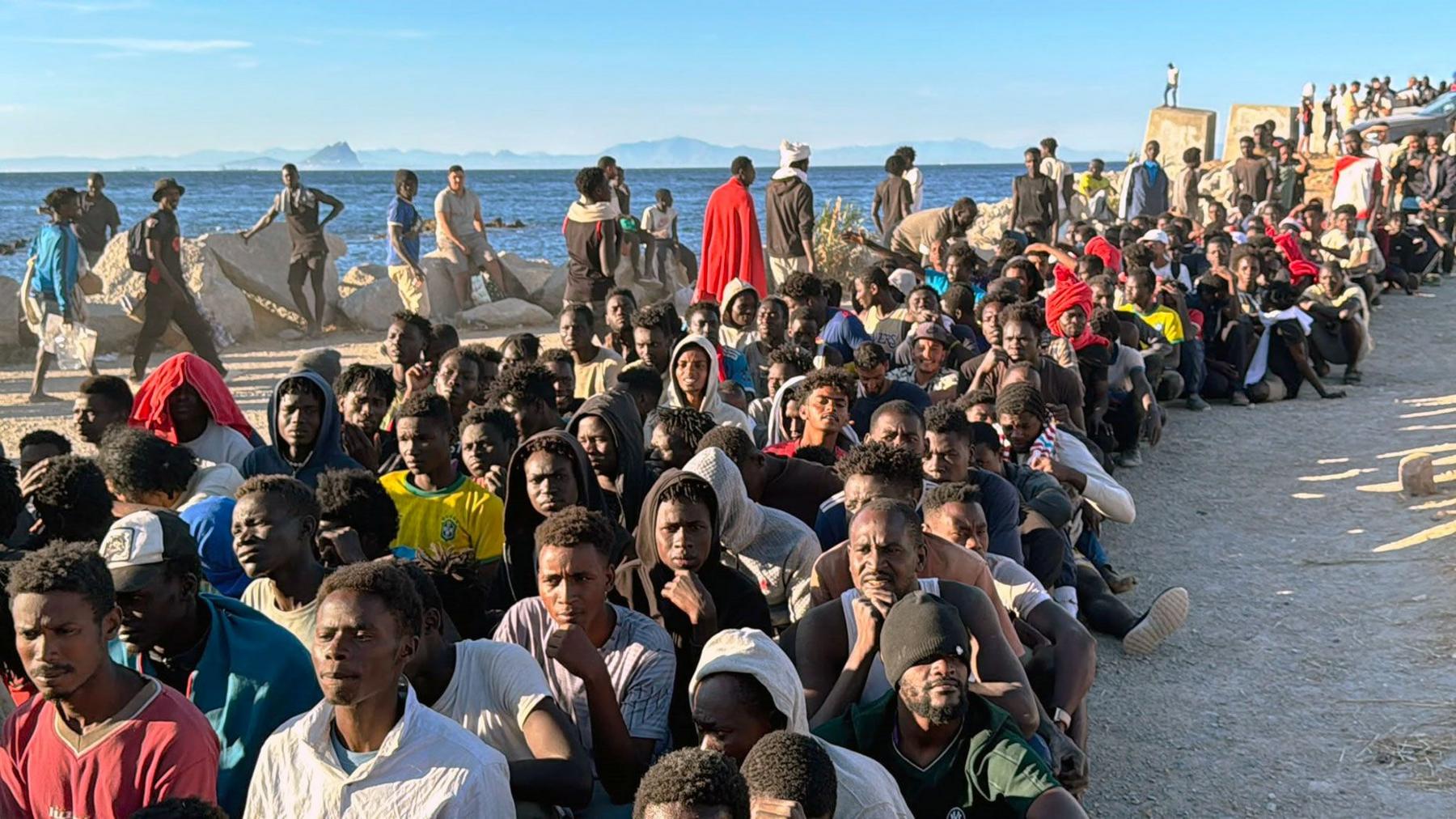
Migrants line up on a beach in Ceuta, waiting for aid.