In brief
With US tariffs on Chinese goods climbing, China's retaliatory measures raise concerns for global trade dynamics.
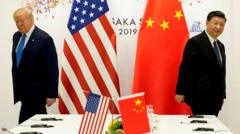
China and the US are in a heated standoff over tariffs, with no signs of compromise from either side. Recently, the Chinese government imposed a whopping 34% tariff on all US products entering the country. This places a significant burden on American businesses, especially agriculture, which was already juggling 10-15% tariffs due to previous trade disputes.Local analysts fear that the escalating tensions might throw global supply chains into chaos. With many products containing components sourced from around the world, barriers between the US and China could send shockwaves that affect economies far and wide.The timing of these tariff announcements is telling. China's finance ministry shared their response to Trump's tariffs late on a Friday evening, possibly to minimize immediate public backlash. This suggests a level of strategic planning, indicating China may no longer be seeking a resolution with Trump anytime soon.While Xi Jinping was seen planting trees during the announcement—showing a calm demeanor—it contrasts sharply with the aggressive tariff strategy coming from the US. This cool response hints that China could be more focused on diversifying its trade relationships, looking beyond the US for partnerships.The outcome of this standoff could lead to rising prices for American consumers and a reshaping of international trade alliances, leaving many to wonder how long this tit-for-tat will continue. The stakes are high, and potential resolutions feel increasingly distant.