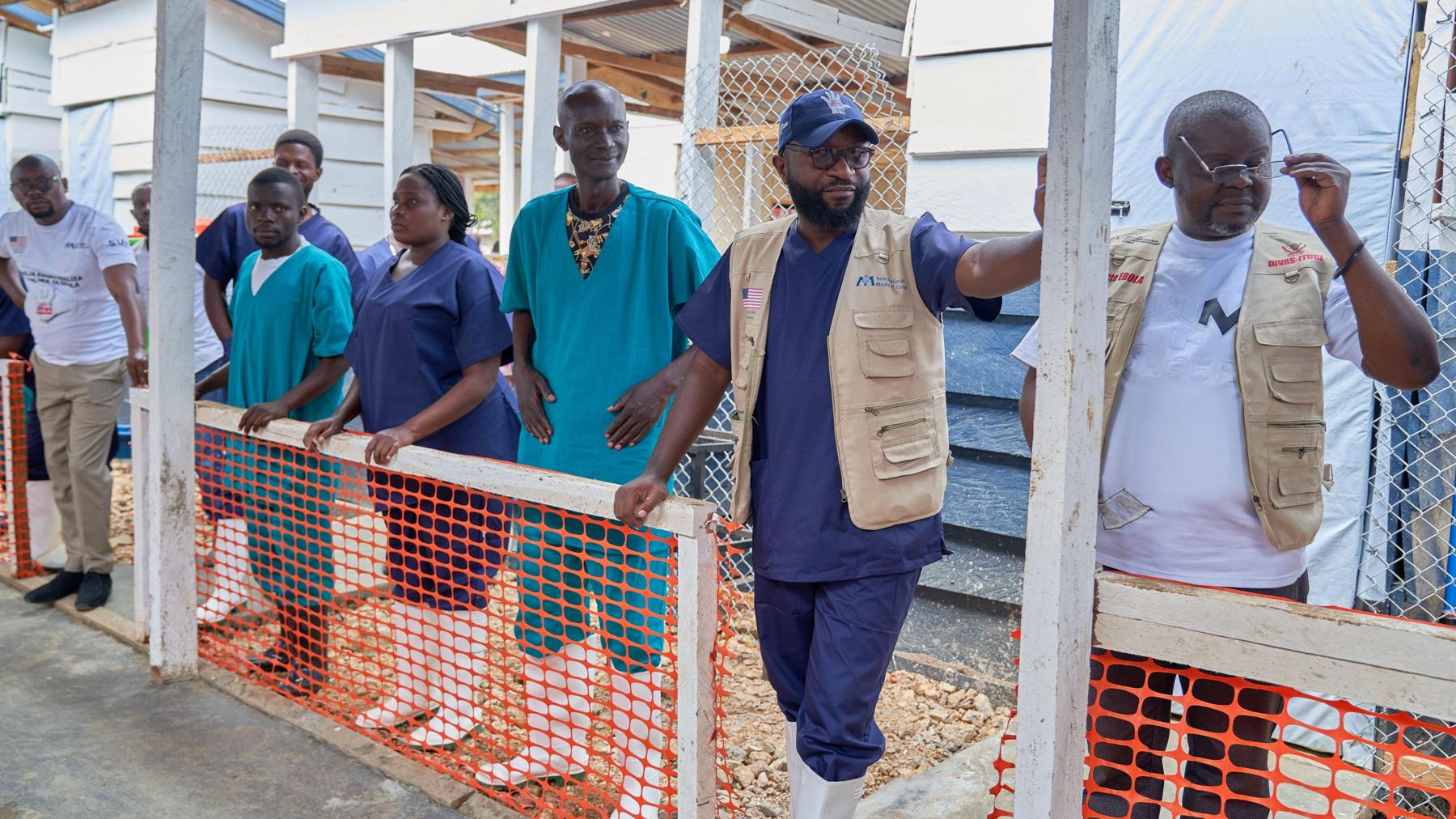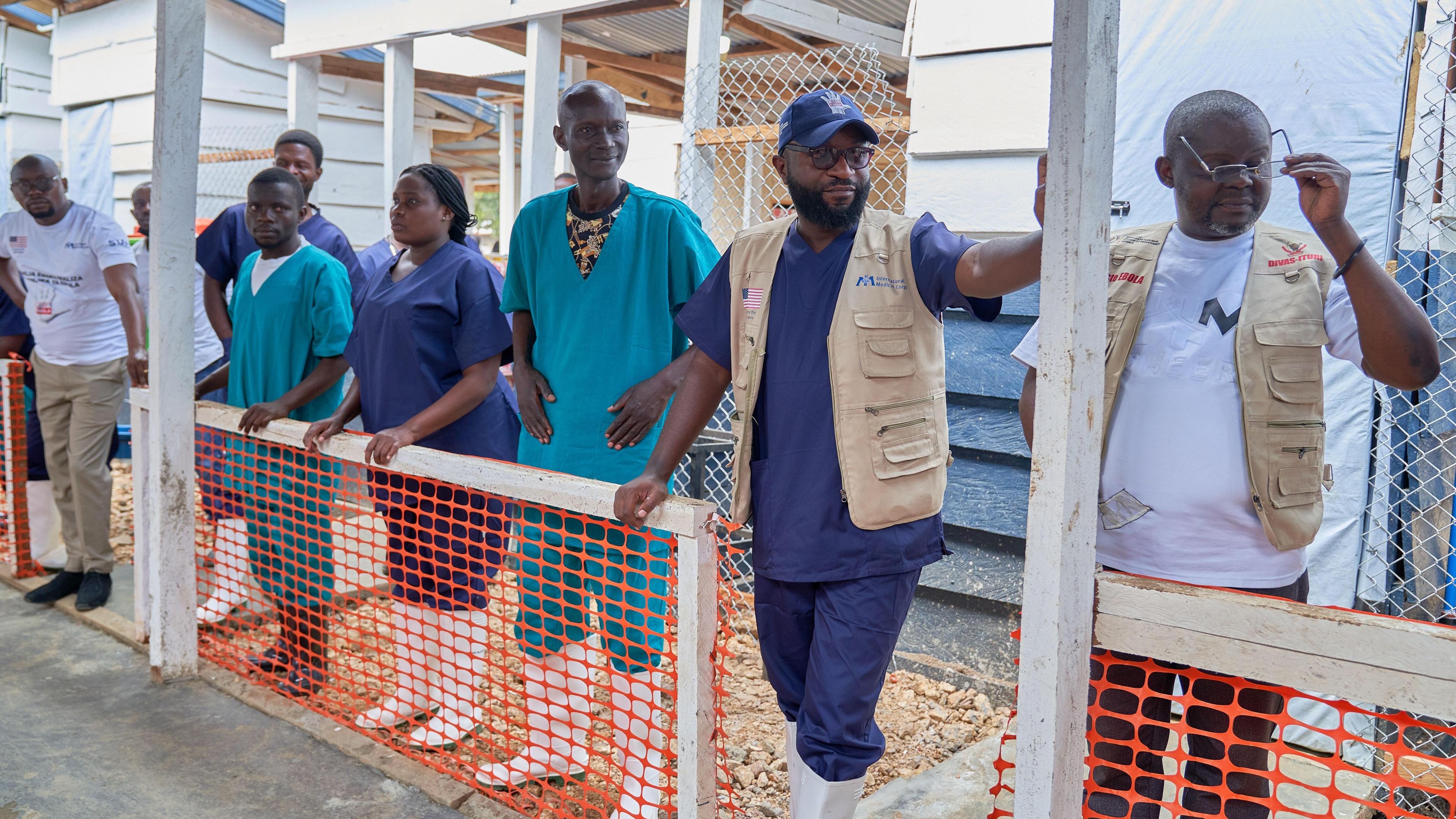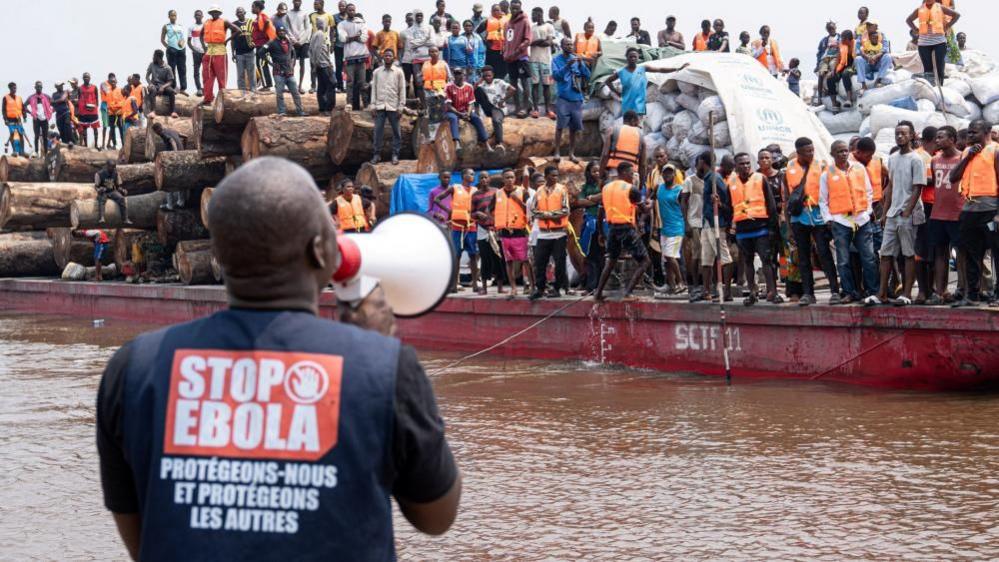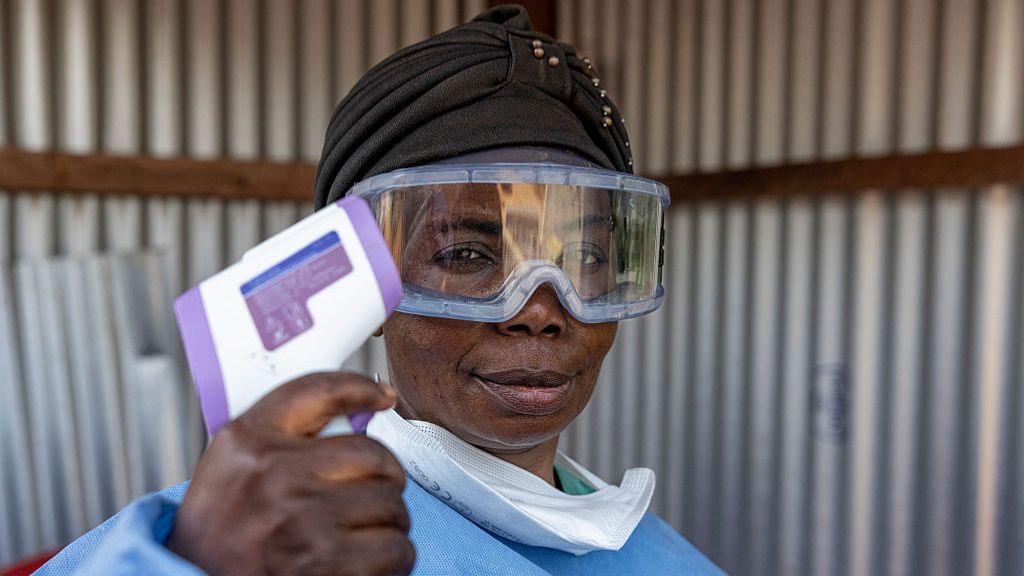
The Democratic Republic of Congo’s interior minister, Jacquemain Shabani, has declared a ban on mass gatherings in the capital of Kinshasa and in three provinces—Tshopo, Haut‑Uele and Bas‑Uele—following a surge in Ebola cases. The decision follows the virus moving from the eastern provinces of Ituri, North Kivu and South Kivu, where more than 1,200 people have now tested positive and 360 have died.
While the ban is framed as a public‑health measure aimed at preventing the killer disease from reaching Kinshasa’s 18‑million‑strong population, opposition figures argue it is a political stunt. The Lamuka coalition’s spokesperson, Prince Epenge, slammed the order as “political” and has urged the public to ignore the ban, as the government has planned a protest march on 8 July. The march, organised by the C64 coalition, is a direct challenge to a proposed law that critics say may keep President Felix Tshisekedi in power beyond two terms.
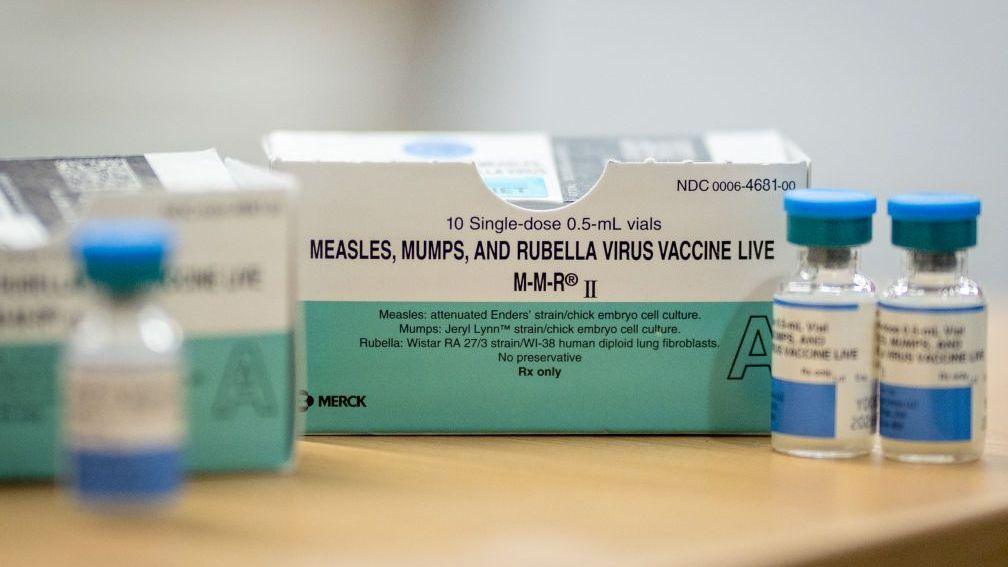
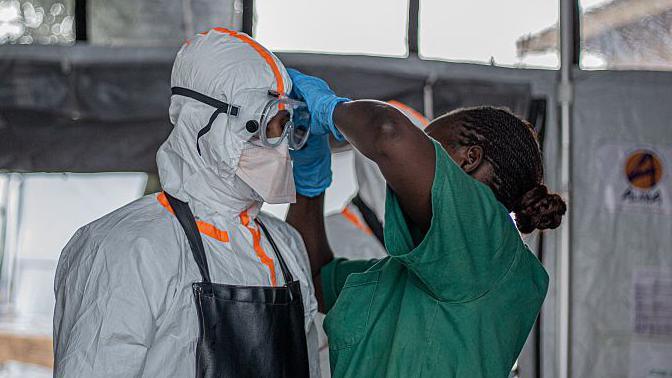
The virus, a Bundibugyo strain for which no vaccine currently exists, spreads by contact with infected bodily fluids. In the weeks leading up to the ban, numbers in the affected provinces jumped by 47—bringing total cases to 1,274—until a 21‑day quarantine was also announced for travelers leaving the epicentre.
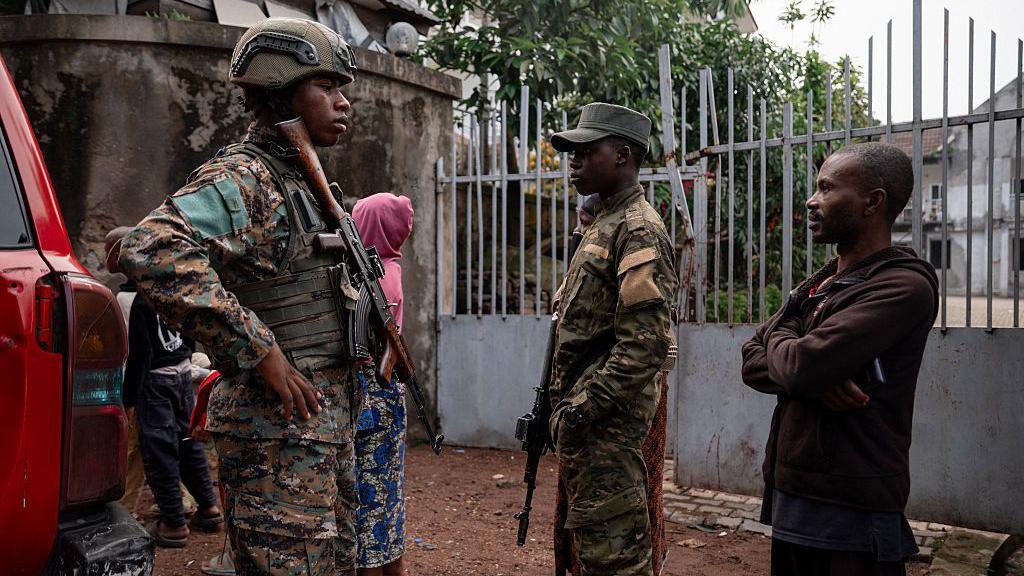
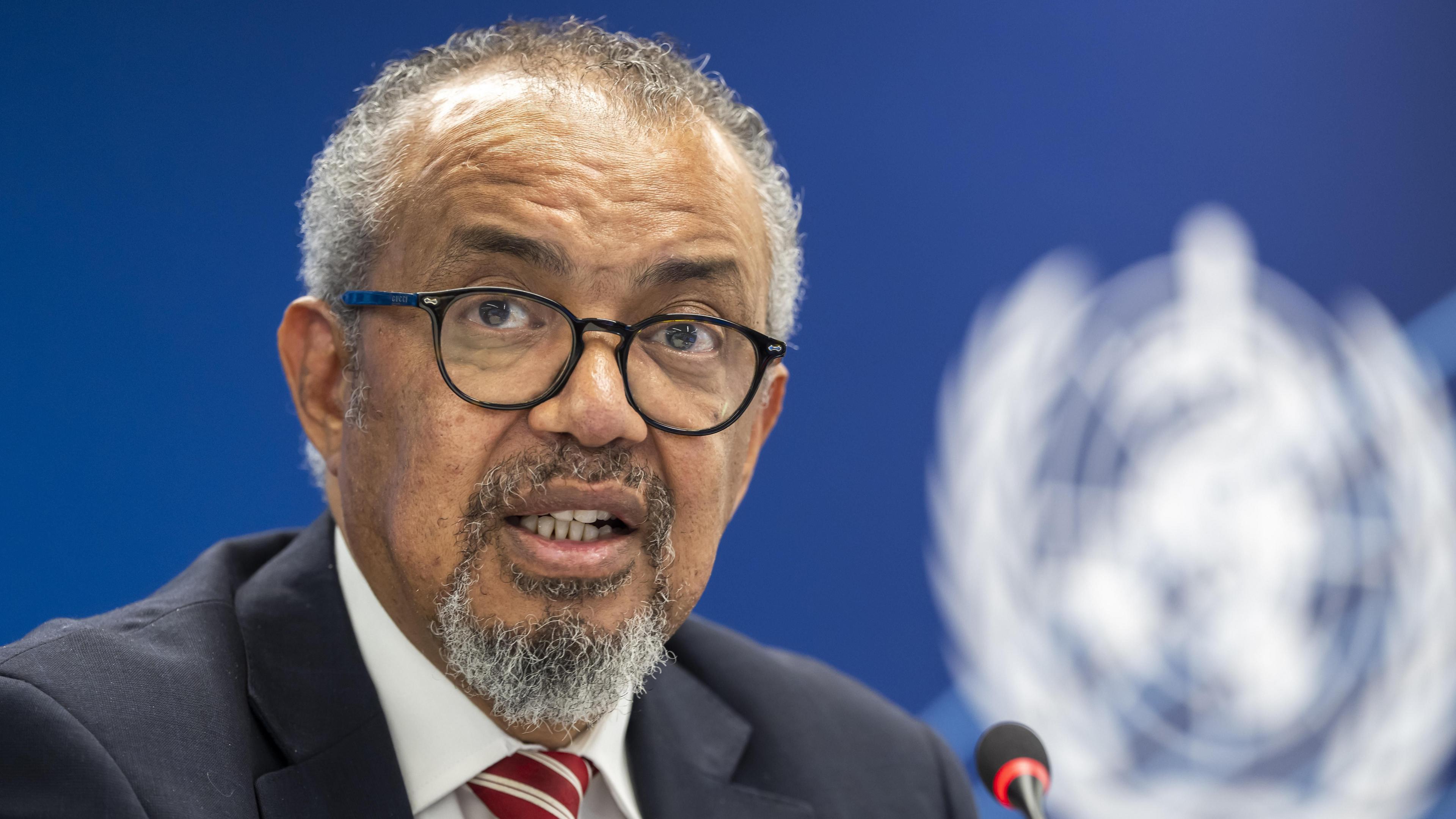
WHO reports that conflict in eastern DR Congo is hampering outbreak containment. The M23 rebel group controls large parts of North and South Kivu, creating challenges for health workers who are already front‑line fighters against the virus. Nearby Uganda has also reported Ebola cases, prompting the Africa Centres for Disease Control and Prevention to prepare for potential antivirals.
As the government fights both a deadly virus and political opposition, the situation shows how public‑health crises can turn into political flashpoints. The millions living in Kinshasa remain on edge, hoping that the ban and extra precautions can stem the spread before the city itself is hit.