Ebola Vaccine Trial Starts in DR Congo
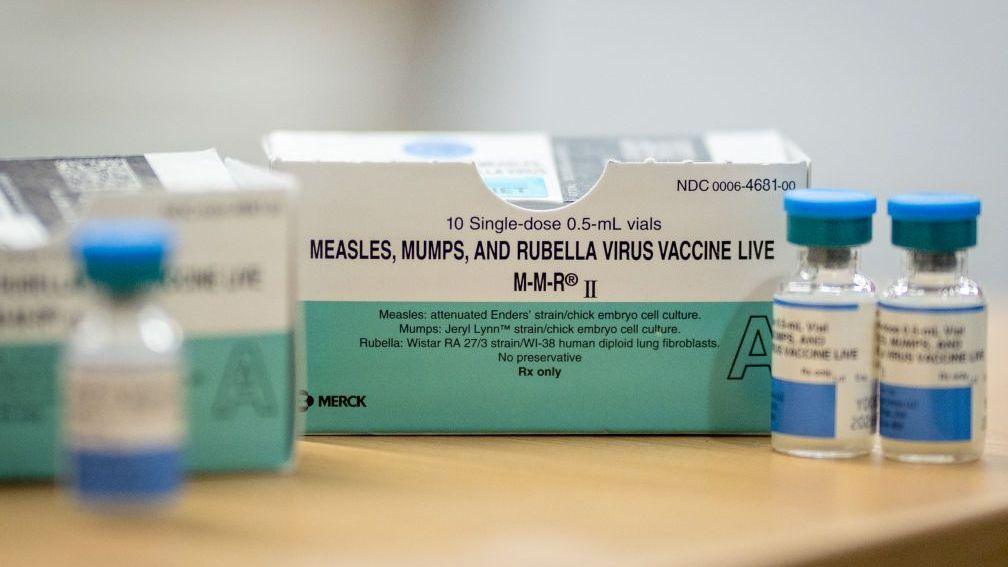
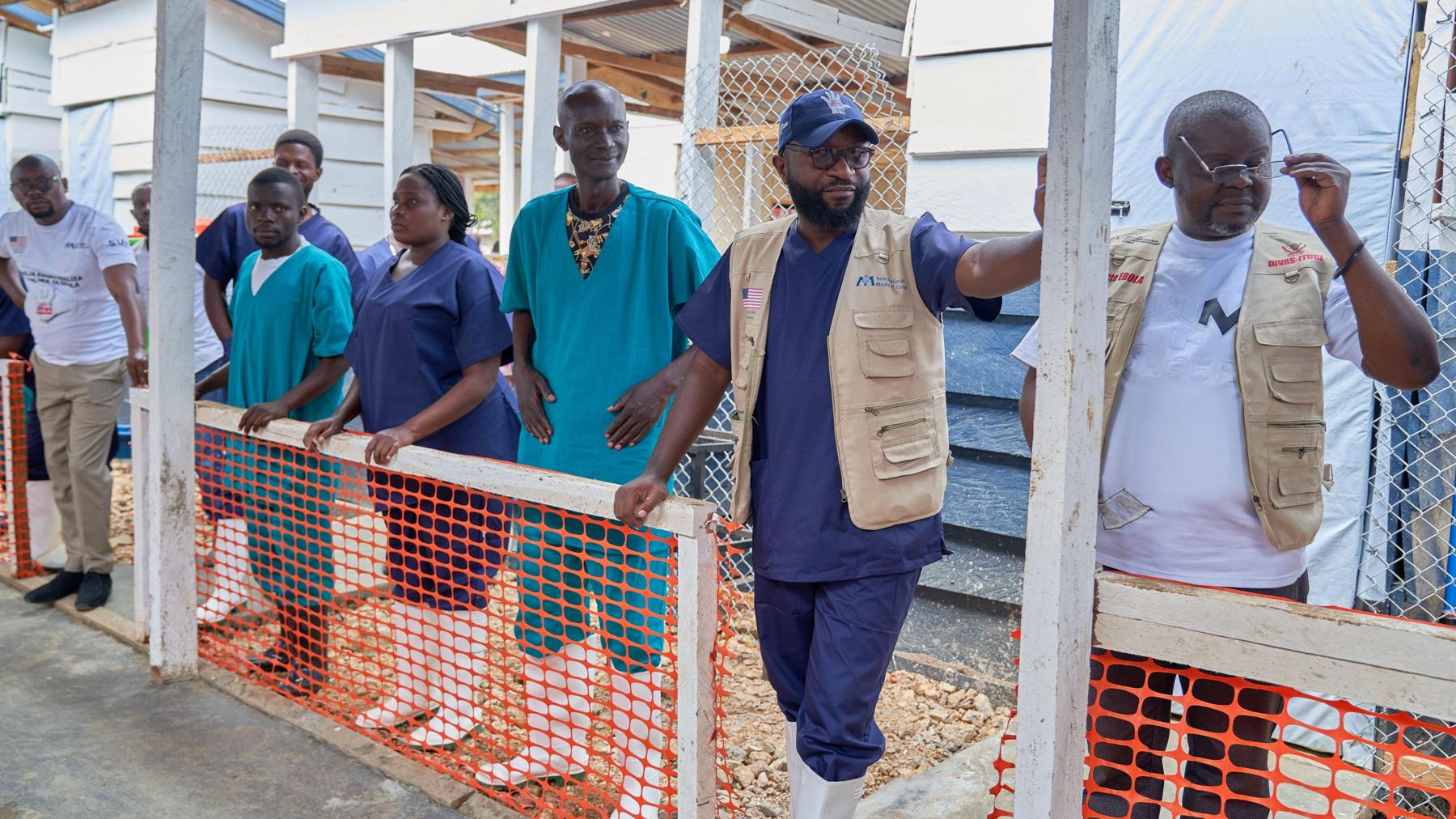
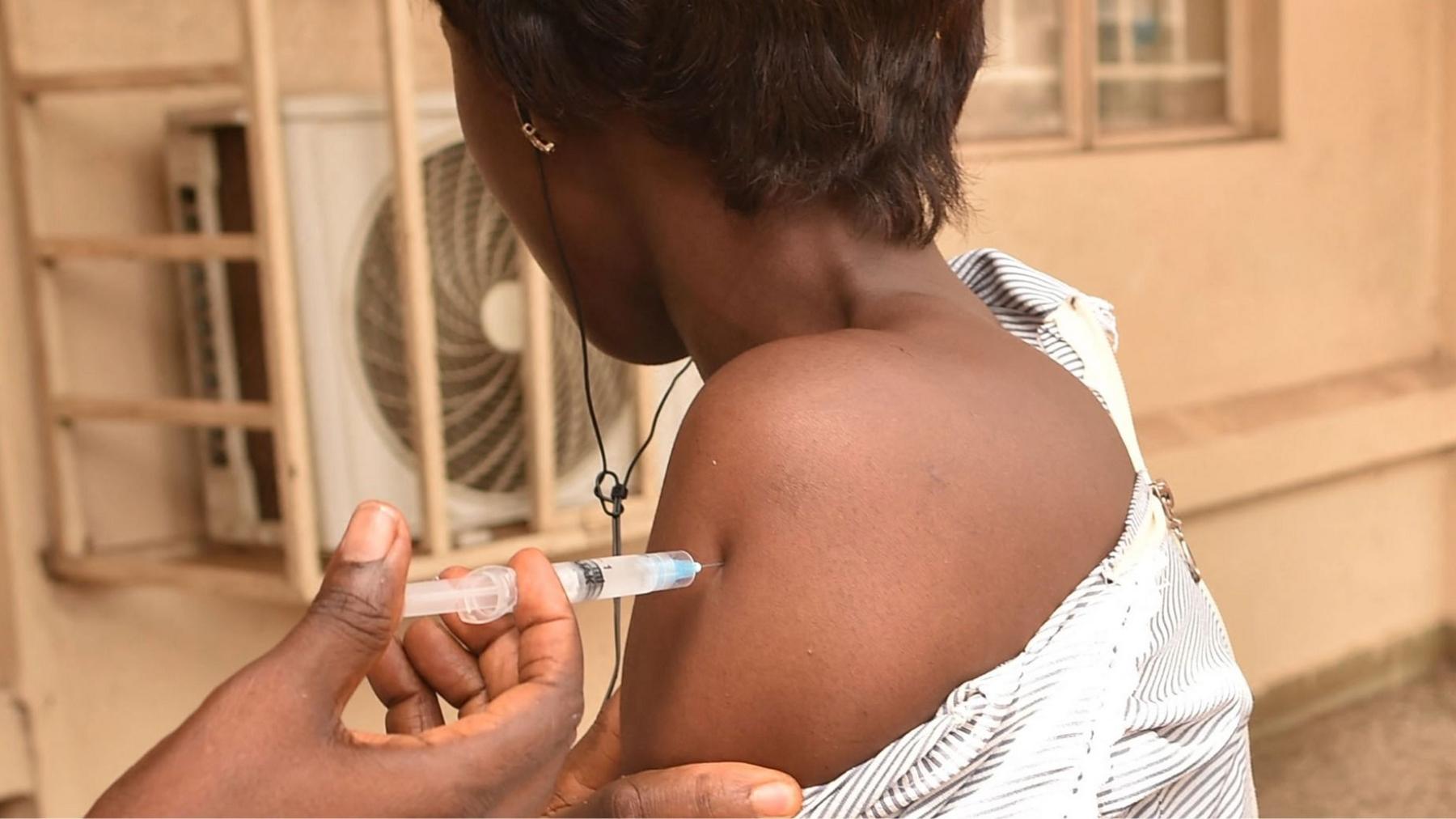
Doctors in Kinshasa are preparing to give a new version of the Ervebo vaccine to people who might catch the Bundibugyo strain of Ebola. The vaccine works against the Zaire‑type virus, but experts don’t yet know if it can stop Bundibugyo.
Current data shows almost 2,500 people have died. WHO spokesperson Julien Harneis says half of these deaths happened in the last 20 days – the fastest‑growing part of the crisis in history.
Why the Outbreak is Harder to Stop
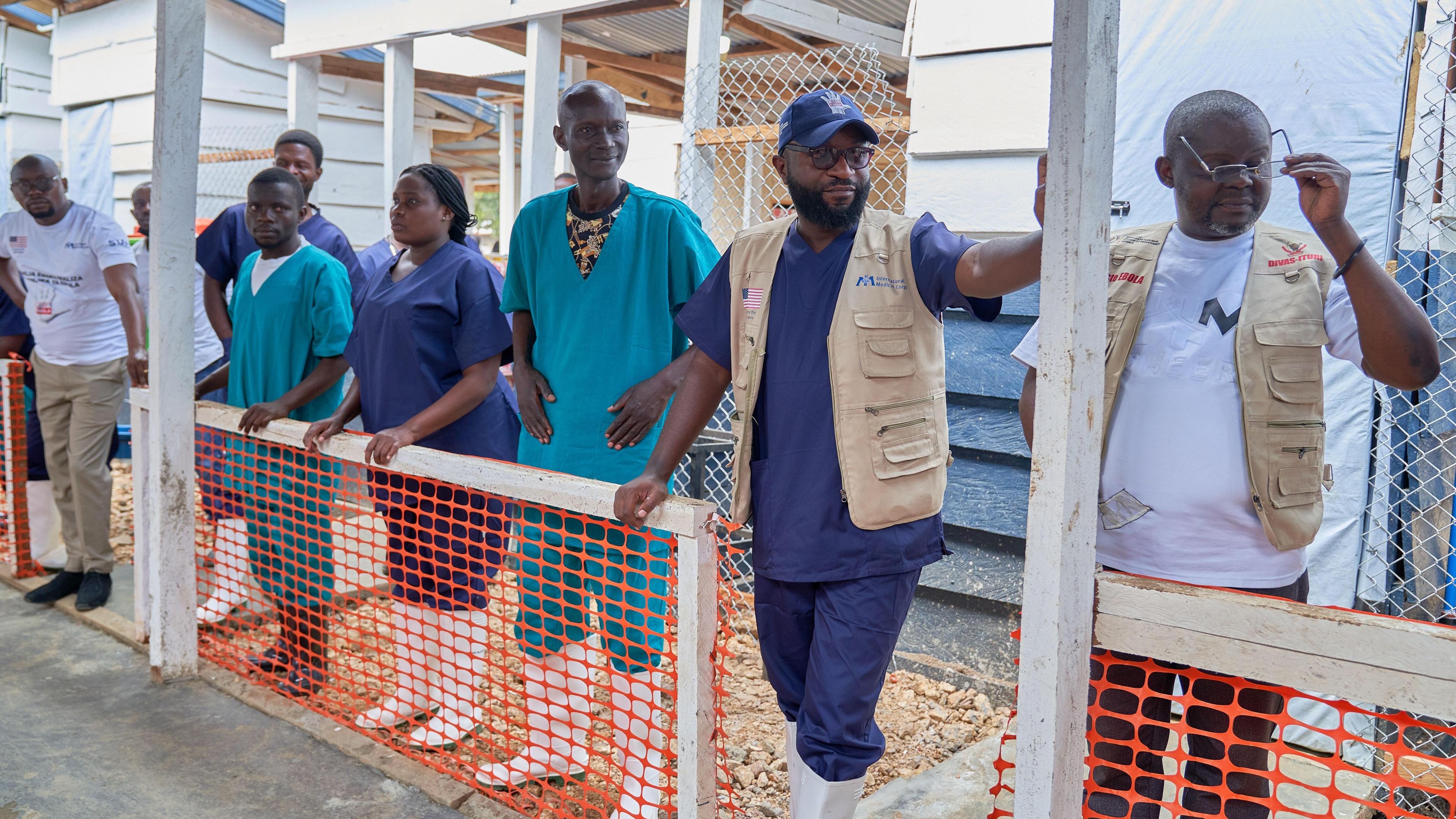
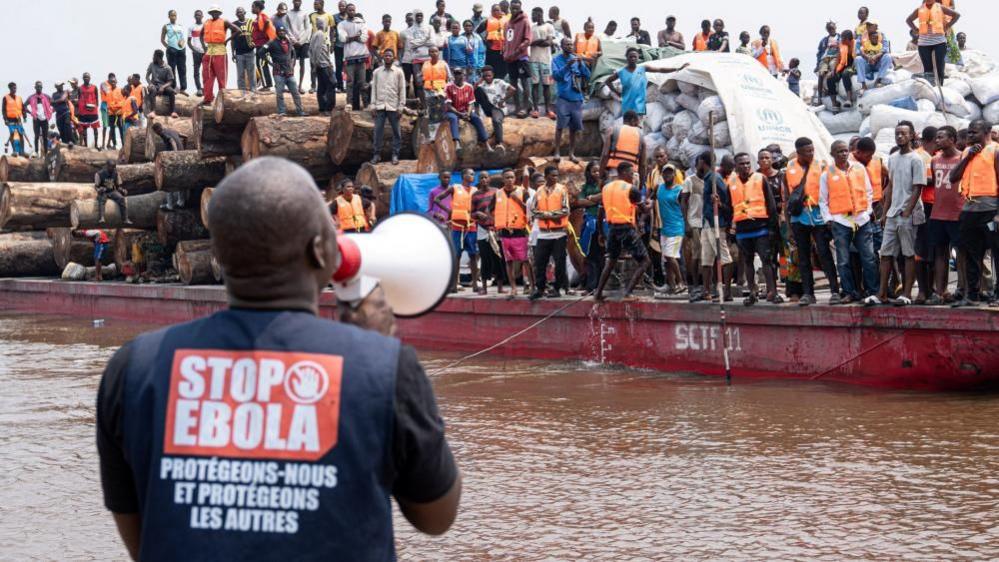
Early cases looked like typhoid or malaria, so people didn’t get help right away. In war‑torn areas, health teams struggle to reach sick patients and people are skeptical of medical workers. Traditional burial practices can spread the virus, so strict rules are now needed.
Testing the Vaccine
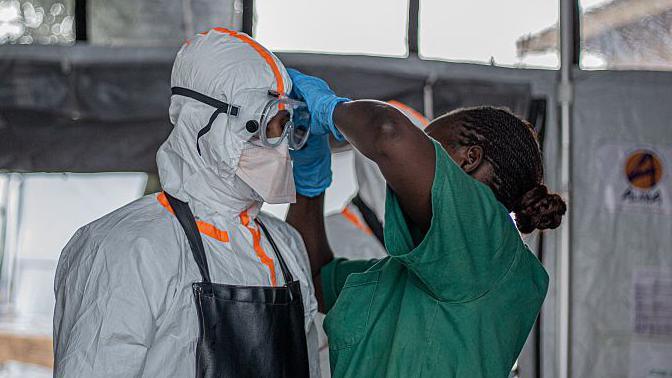
A 20,000‑dose sample will be used to test how well the vaccine stops the new strain. An additional 50,000 doses will protect front‑line health workers. WHO says this is a “vital reinforcement” of the emergency response.
Moving Around the Conflict Zone
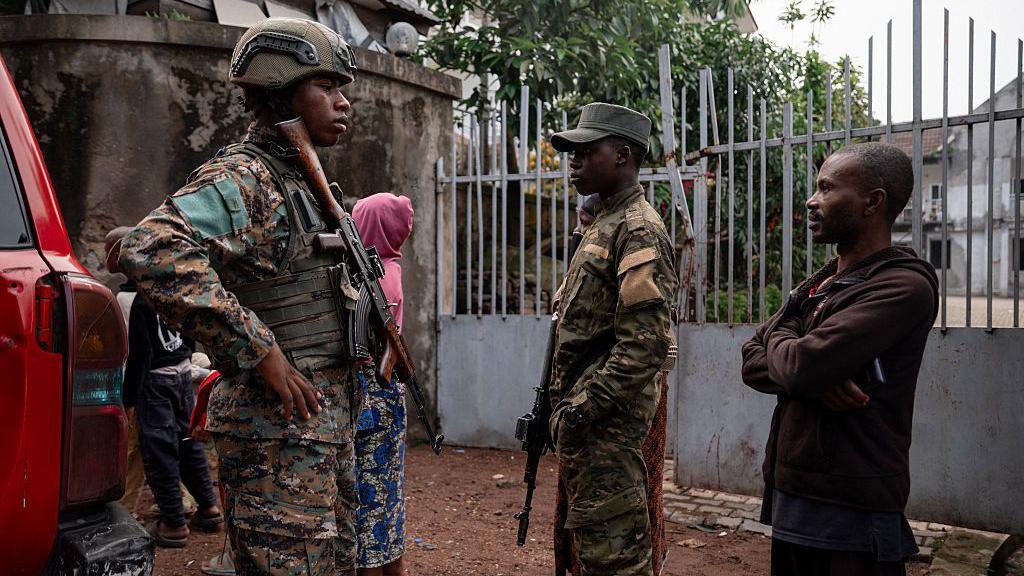
The M23 rebel group has shut down shared taxis and boats between government‑held and rebel‑held areas of North Kivu for a month. Travelers who tested positive were found in a village under rebel control, spinning the need for tighter health controls.
What Ebola Looks Like
The disease can feel like the flu or malaria – fever, headache, and tiredness appear quickly after infection. If it gets worse, people may vomit and have diarrhea, which can cause organ failure. The virus spreads by contact with blood or other bodily fluids.