In brief
Between 3,000 and 5,000 refugees remain in Ceuta after an estimated 78,000 crossed in hours. The influx prompted 100 deaths and a sharp response from the EU and Spain’s military. Local leader Juan Jesús Vivas criticized the government’s late measures, urging better resources. Meanwhile, Morocco accuses Spain of mishandling the crisis and questions migration policies, heightening regional friction.
Who’s Still in Ceuta?
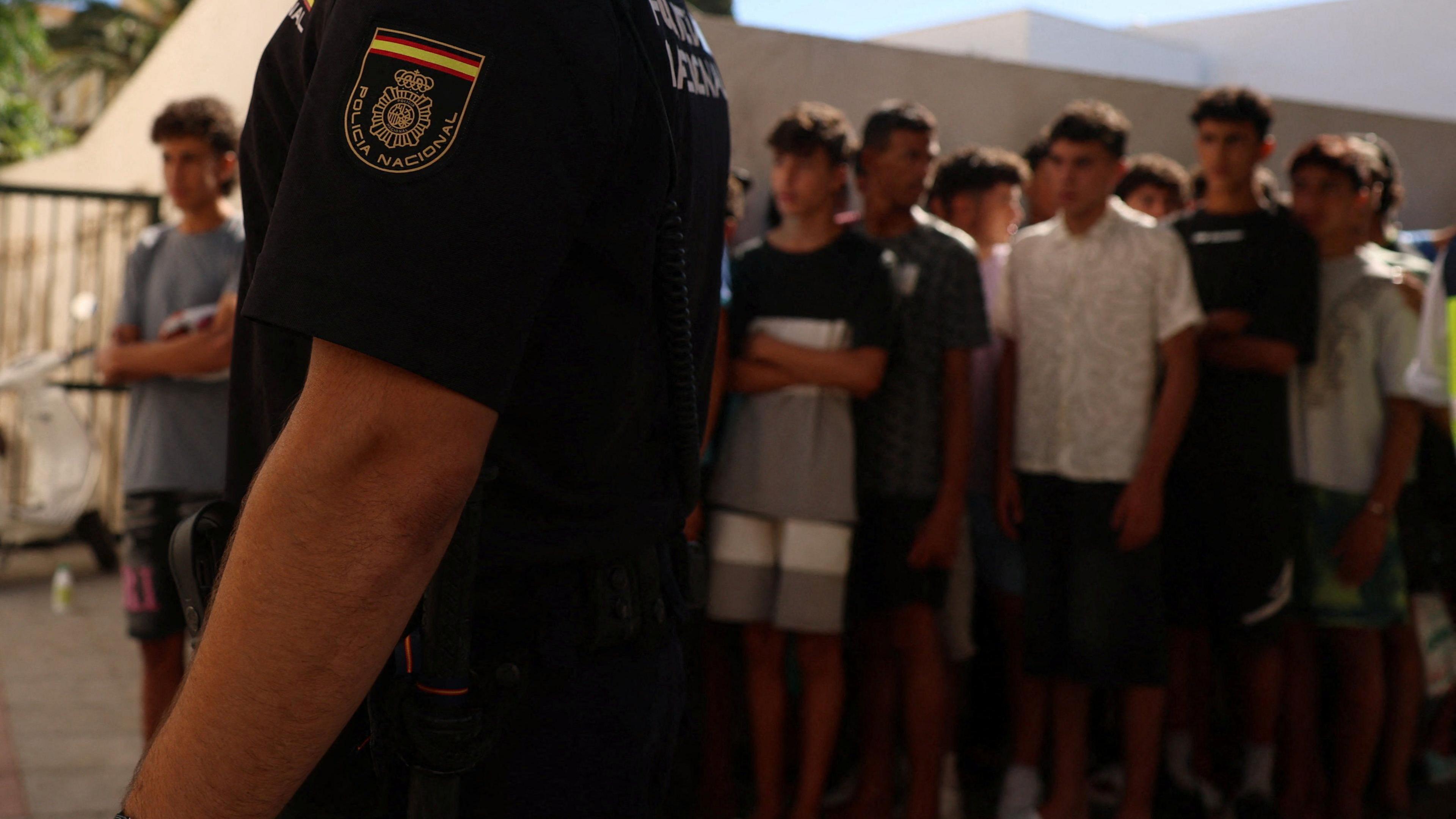
Between 3,000 and 5,000 people remain in the Spanish exclave after the dramatic arrival of dozens of thousands last week. Local mayor‑president Juan Jesús Vivas estimated that the numbers echo a “significant humanitarian emergency.”
The Human Toll
A Supreme Court decision meant fleeing migrants could no longer be swiftly returned, pushing a wave that led to 100 deaths. Vivas said the crisis left his territory “sad, helpless, anxious, fearful and worried,” while the interior minister pledged to work with Morocco to clear the backlog.
EU and Spain’s Response
The European Commission praised Spain’s “swift response,” noting the deployment of armed forces to Ceuta and Melilla. Yet Vivas complained that the government acted too late and without enough resources, demanding better numbers and clear plans.
Diplomatic Ripples
Italy, Finland and Denmark temporarily suspended Schengen arrangements with Spain—mirroring Czech demands—after the crisis highlighted a fragile border. Spain’s Prime Minister Peter Sánchez accepted the criticism but stressed Ceuta is not part of Schengen. EU Migration Commissioner Magnus Brunner urged the use of all diplomatic levers, from visas to trade, to curb such incidents.
The Role of Law and Social Media
Reports say criminal networks spread disinformation, sparking organized attempts to cross the border. Moroccan media countered that a Supreme Court ruling “collapsed the deterrent element.” Meanwhile, social media calls for mass crossings continue, forcing authorities to manage an ongoing humanitarian crisis.
With thousands of migrants still awaiting return and the political backlash widening, the situation in Ceuta presses the EU and Spain toward a more coordinated, compassionate response.