In brief
Former Chinese Premier Zhu Rongji died at 97 and was cremated in a quiet Beijing ceremony with half‑mast flags and tight security. The state released no footage and scrubbed online commentary about his reforms, fearing that mourning could spark criticism of President Xi’s rule. Zhu was famed for steering China toward market‑driven growth in 1998‑2003, a legacy that now feels like a nostalgic flashback amid slower economic expansion. Chinese officials want to keep the past under control while presenting continued pride in the Party’s achievements. The event underscores the delicate line between honoring leaders and preventing political dissent.
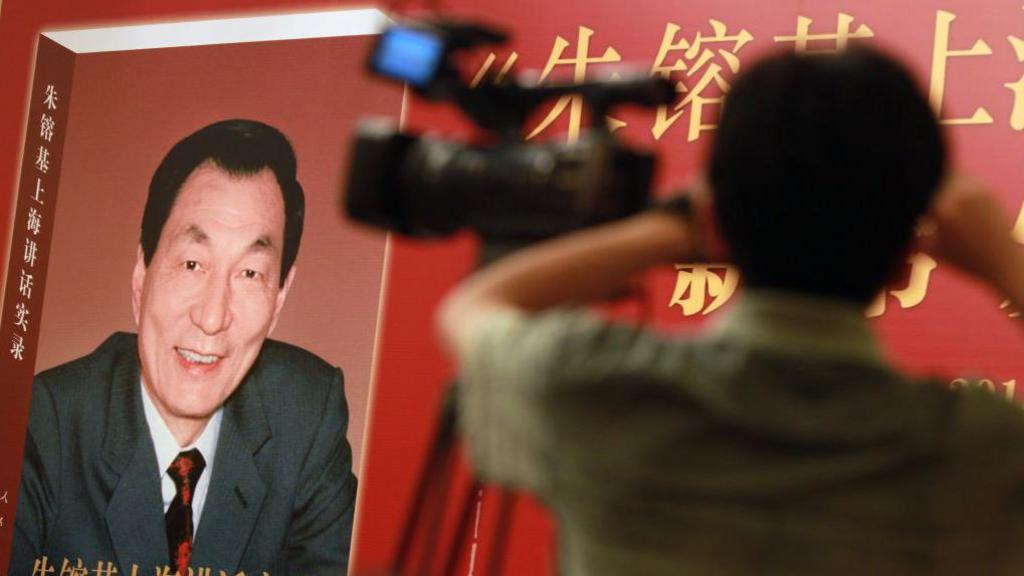
Flags at Beijing government sites flew at half‑mast as the city mourned former Premier Zhu Rongji, who died of an illness at 97.
The funeral was held at Babaoshan Revolutionary Cemetery, a reserved spot for top officials, and state security vehicles lined the streets. No footage of the ceremony was released to the public, reflecting the Party’s caution that a visible mourning could spark criticism of the current leadership.
Senior figures—including President Xi Jinping, Premier Li Qiang and ex‑President Hu Jintao—attended quietly. State media described Zhu as an “outstanding member” and a “loyal Communist fighter.”
Online, posts about Zhu quickly disappeared: an essay by economist Zhao Jian lamented the era’s “proper poverty” and hopeful future, only to be removed from WeChat the next day. The Party has long struggled with public outpourings turning into protests, as seen after the deaths of Zhou Enlai (1976) and Hu Yaobang (1989).
Zhu’s reforms from 1998‑2003—shutting down unprofitable state firms, launching a commercial property market, and joining the WTO—sparked rapid economic growth. Yet China now faces slower growth, high youth unemployment, and national demographic challenges, making the past feel especially distant.
Harold Brown, a Chinese Studies professor, warns that Xi is tightening the narrative: any alternative future ideas are not allowed public airing. Still, many citizens remember an era when hard work promised prosperity, while today the same material abundance leaves many feeling empty inside.