In brief
For Botswana’s 60th Independence Day, a government licence allowed 23 elephants to be killed for celebratory feasts – a decision met with shock and anger from wildlife activists and local communities. The Elephant Protection Society warned that such killings could normalize poaching and threaten elephant populations. Residents gathered around carcasses, sparking concerns about public health and distribution fairness. The move reignites a heated debate over Botswana’s elephant management and the clash between cultural celebrations and conservation.
Botswana’s Independence Day turns into a wildlife crisis.
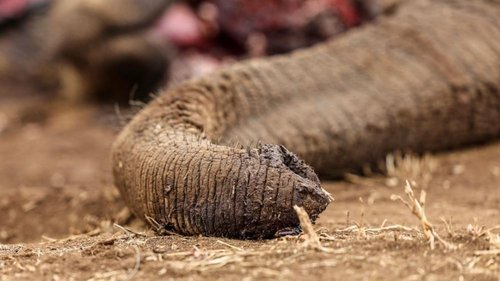
For the 60th anniversary of independence, the government authorised the killing of 23 elephants and other game animals for “complimentary purposes” – a headline‑making decision that has sparked outrage among animal rights activists and local communities.
Elephant Protection Society chief Oaitse Nawa warned that the slaughter could normalise poaching, giving the illegal trade a moral cover and undermining conservation gains.
Residents across the country poured into communal spaces to claim meat from carcasses, raising concerns about hygiene, fairness and the spread of foot‑and‑mouth disease, especially given the government’s stricter disease controls.
The incident has reopened a long‑standing debate over Botswana’s elephant population, human‑wildlife conflict, and whether regulated hunting truly supports conservation or merely satisfies cultural feasting traditions.
Government officials contend that revenue from hunting helps fund community projects and conservation efforts, yet critics question whether the level of hunting is truly sustainable.