In brief
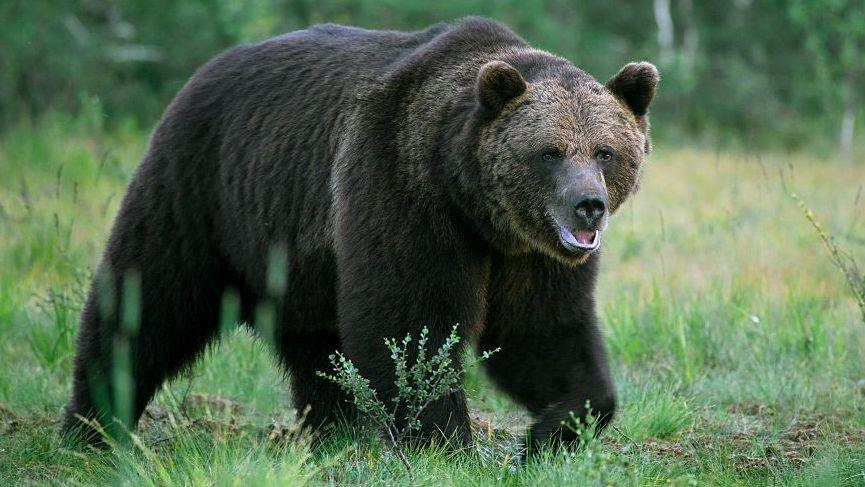
In the early hours of Wednesday, a brown bear invaded a ger in Mongolia’s Bayanzurkh district, killing a man in his 40s and severely injuring a woman. The incident underscores a rising trend of bear sightings near Ulaanbaatar, linked to climate change and dwindling food sources. Mongolian rangers are on the hunt, while officials urge residents to report any bear activity. Social media has flooded with videos of bears damaging homes and livestock, prompting authorities to issue hunting permits and seek tranquiliser darts.
Bear attacks gers in Mongolia, killing a man
A massive Eurasian brown bear stalked a traditional Mongolian tent‑like dwelling, or ger, in the Bayanzurkh district near Ulaanbaatar. The animal killed a man in his 40s and left a woman in her 50s seriously wounded but alive.
Police say the attack happened overnight on Wednesday. The woman managed to escape and alert neighbors, and she is now in a hospital in a serious condition.
Researchers point to climate change and food scarcity as key reasons for the surge in wildlife‑human encounters. This year alone, 24 bears have been sighted near the capital, compared with just two in 2018.
Rangers are currently searching for the mauled creature, while officials are urging locals to remain vigilant and report any sightings. The government has issued bear‑hunting permits across eight provinces and is seeking tranquiliser dart guns to help rangers in rural regions.
The incident highlights the growing tension between Mongolia’s nomadic traditions and the rapid shift toward settled communities. With more people living in the capital or other urban areas, encounters like this are likely to become more frequent unless climate and conservation efforts catch up.