In brief
Australia faces a mass extinction as urban expansion, invasive species and climate change drive countless animals to the brink. Amid this crisis, the once-endangered numbat has bounced back, leaving its scrap of the International Red List just weeks ago. Conservationists in Western Australia conduct rigorous field surveys and breeding programs to secure the numbat’s future. Though progress is mixed and funding gaps persist, the numbat’s revival signals that science‑based action can still turn the tide.
For decades, Australia’s land‑and‑water treasuries have been shrinking faster than its identity can keep up. With roughly 80 percent of its flora and fauna unique to the continent, one could still feel a sense of wonder – until the numbers of species in danger start to rise.
\From feral pests spearing the nights to new fires that scorch greens, four species vanish a decade in Australia today. The deep south‑western corner of the country, home to Dryandra Woodland, remains one of the last places a tiny marsupial the size of a chipmunk can still thrive: the numbat.
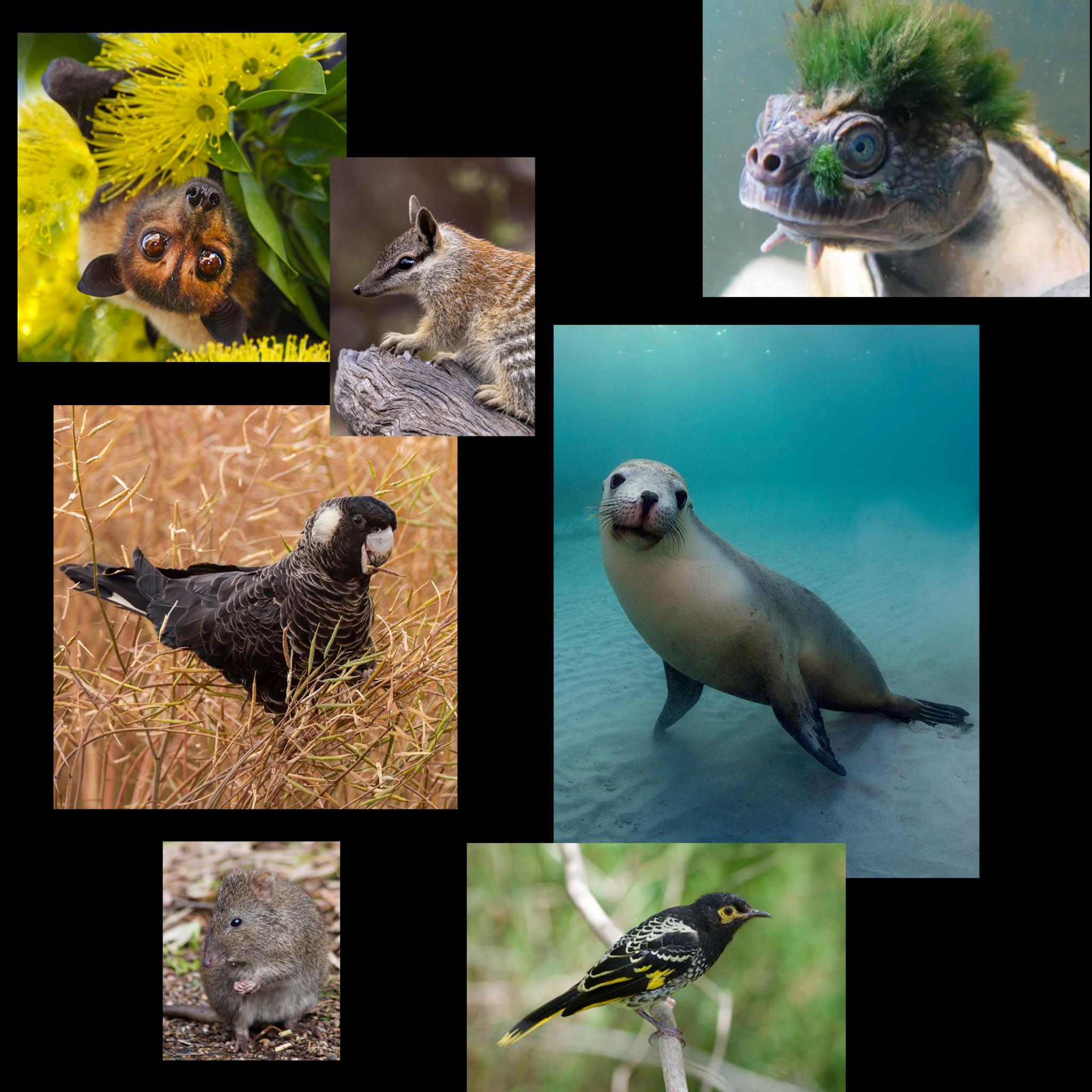
\Numbats once roamed the bulk of southern Australia, but a generation of predators, disease and habitat destruction left fewer than 50 alive by the 1980s. Today, thanks to coordinated field scouting, genetic breeding programmes, and the keen work of volunteers like Rob McLean, the population has shot up to around 3,000 – a ten‑fold rise in the past decade. In just weeks, the species has been removed from the IUCN Red List, moving from endangered to near‑threatened.
\A team threads a pickup‑truck through bush tracks each spring, marking every viewing, recording GPS data, and calculating densities. Those numbers feed science papers that help decide where to put fences, where to re‑introduce captive bred numbats, and how to curb foods that invite predators. “It takes five hours of silence, but then you see the animal in the log,” Tony Friend, a conservation veteran, says.
\Beyond the numbat, the region is a front line of extinction: the endangered Carnaby’s cockatoo, the tiny Gilbert’s potoroo, and the Australian sea lion all share the same threat matrix of feral cats, invasive weeds and climate‑driven fires. A 2020 bushfire alone killed an estimated 3 billion animals around the globe, including many Australian species.
\The current political climate is a mixed bag. Labour’s promise of zero new extinctions has helped push forward reforms, yet real change demands money. While the government spends roughly $700 M each year on nature protection, estimated subsidies for mining, sugar plantations and other industrial uses amount to $26 bn – a staggering imbalance, science adviser Paul Elton warns.
\Still, success stories like the numbat give hope to volunteers, scientists and policy makers that intention can produce outcomes. “We can’t walk away and say they’re fine,” Tony declares. “It will need continuous funding and support to keep the species on the planet.”
\The numbat’s revival is a single thread in a vast tapestry of species still in decline. The Australian government’s ambitious 2030 biodiversity target still requires political will and a greater share of the national budget. As the continent’s rapidly changing environment poses bigger challenges, the tiny marsupial’s story reminds us that with concerted action and community engagement, even the smallest survivors can symbolize resilience.
\ \