In brief
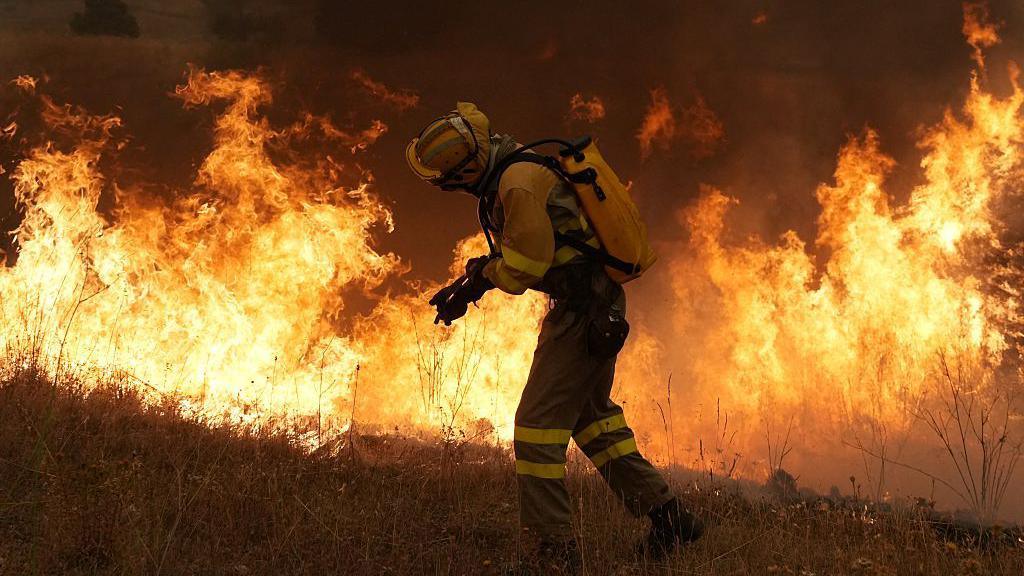
Wildfires in Australia are among the world’s most severe, but a team led by Professor Marta Yebra blends satellite data, drones and AI with Indigenous fire‑management traditions to stay ahead. The project uses satellite imagery to gauge fuel moisture and partners that data with elders who read plant colour, scent and shade to spot dry spots. Cultural burning—small, controlled fires that lower fuel loads—is now being adapted to modern hazard‑reduction burns. Australian crews, once flown into Canada, are bringing backburning and drone tech to global firefighting teams. With a super El Nino this summer, the next fire season looks tough, and Australia is calling for international cooperation, seen recently when France asked for Australian help.
Wildfires in Australia are among the most severe in the world, but a team led by Professor Marta Yebra is blending cutting‑edge satellite data, drones and AI with Indigenous fire‑management traditions to stay one step ahead.
After the Black Summer 2019‑20, the Bushfire Research Centre of Excellence was created to analyse when fuels build up in the bush, using satellite imagery to gauge fuel moisture content. This data was paired with the insights of elders, who can read plant colour, scent and shade to spot dry spots.
With these tools, Yebra’s scientists predict where a fire could ignite, a concept that Aboriginal fire‑directors call cool‑fire or cultural burning—small, controlled burns that lower fuel loads and keep the landscape patchy. These practices, used for over sixty thousand years, are now being adapted to modern hazard‑reduction burns that help protect urban fringes.
Meanwhile, Australia sends specialised crews abroad. In 2023 a team parachuted into Canada to help its worst wildfires, and by 2024 Canadian firefighters had embraced backburning, a tactic so effective in Australia that it became a global strategy.
With a projected super El Nino this summer, Yebra’s team says the next fire season could be tough. Australian fire chiefs are calling for international cooperation, and France recently requested help from Australian specialists – a clear sign that the world is learning from Australian flames.