In brief
San Francisco’s luxury real‑estate market is being fueled by the wealth of AI tech workers, who are using stock options and cash to outbid rivals. A Duboce Triangle apartment went above asking after an OpenAI employee bargained for shares in the company, sparking a bidding war that pushed the price to £2.3m. Experts say the surge reflects the unique mix of high incomes, limited housing supply and a surge in cash‑backed bids. While some families feel forced out, others are able to buy homes. The trend could continue until upcoming IPOs leave traders with plenty of capital to spend.
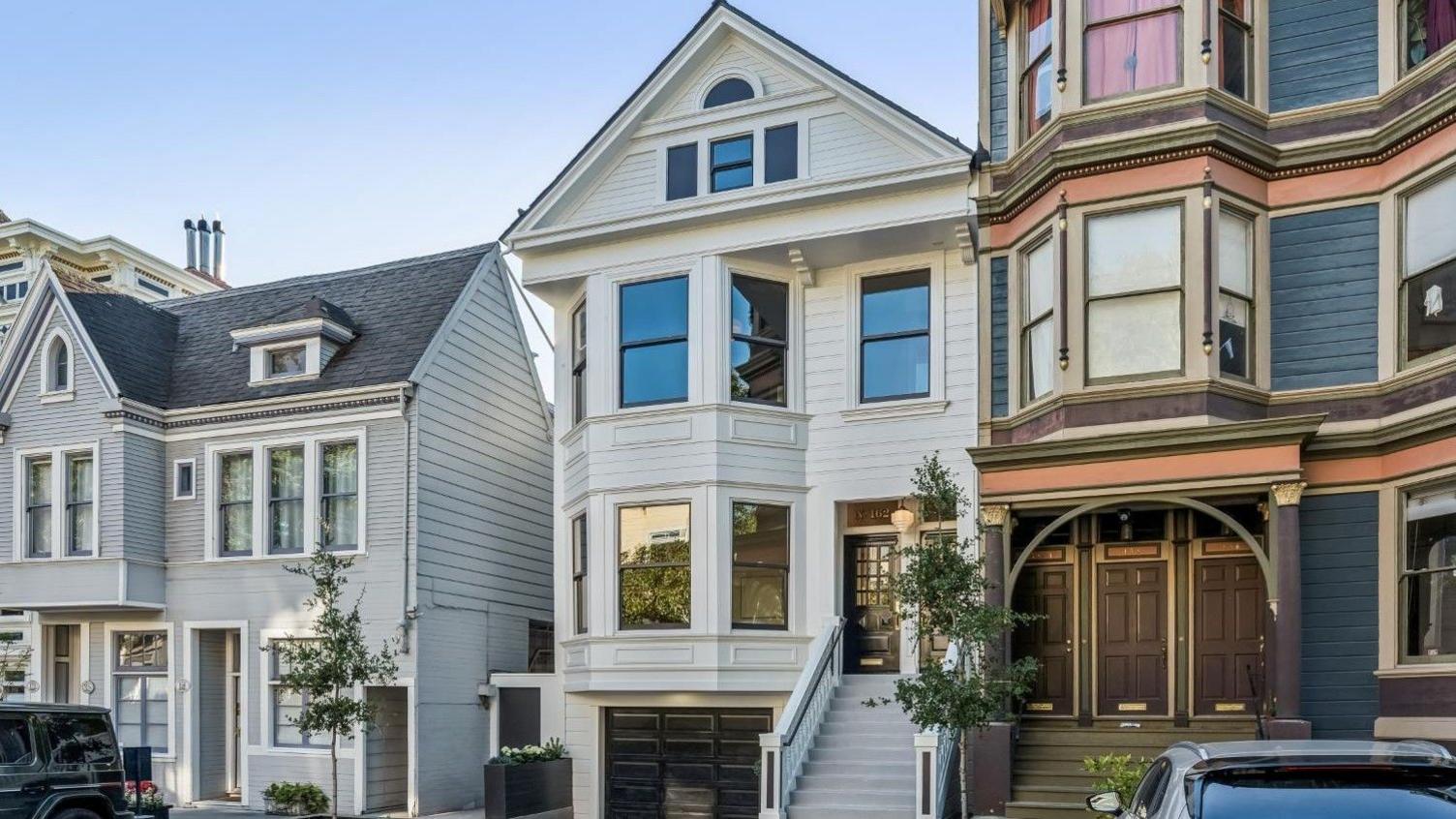
In the heart of San Francisco’s Duboce Triangle, a three‑bedroom apartment once listed at almost £2.3 million (roughly $3 million) almost turned to a new owner who wanted more than just a roof – they wanted shares in OpenAI or Anthropic. The buyer, a young OpenAI engineer, asked whether the seller would accept a partial payment in stock, sparking a rare kind of bidding war that pushed the final price to £3.2 million and 200,000 pounds over the original asking price.
Why is an AI worker paying so much? The answer lies in the huge salaries and cash‑backed stock options that top AI talent receives. Since ChatGPT launched, the median price of a San Francisco home rose 19% by March 2026, and has since climbed another 14.5 % in April and 14.1 % in May. Experts say that AI jobs provide more money than any other sector, and that this “cash waterfall” fuels property markets far more than, say, traditional tech or finance.
Even more compelling is the data from Redfin, which shows that the city’s median sale price as of May 2026 stands at a record high of $1.76 million. For comparison, the U.S. average price only rose by 1–2 % in the same period. This spike points to how the influx of high‑earning AI workers is reshaping the market, especially in luxury zip codes.
The effect is not just limited to premium properties. Matt Goulden, a veteran SF realtor, notes that bidding wars have become commonplace across the city – from single‑family homes to one‑bedroom flats. He sees houses selling quickly, often with all‑cash offers that can exceed the asking price by millions. Danielle Lazier adds that the high concentration of renters and limited new build supply mean there’s a chronic housing crunch, making AI money especially powerful.
While the boom benefits some families, it also raises tough equity questions. Two families were interviewed last week: one, whose husband works at OpenAI, was able to buy a move‑in‑ready home in a family‑friendly neighbourhood, thanks in part to a share sale. The other, with no link to AI, had to relocate outside the city for a home that includes a pool and extra land. They describe feeling “forced out” and practicing a cautious optimism as the high‑cash market keeps pressing on.
What can we expect next? With OpenAI and Anthropic poised for IPOs this year and next, many predict that stock‑market tech coinage could keep feeding the real‑estate market. While some experts warn that as AI moves from “fast‑growth” to stability, wages may flatten, the current wave of buyers means the pressure will probably stay.
For now, AI workers are doing more than coding. They’re literally buying the city.