
In brief
Scientists have confirmed that climate change has exacerbated recent flooding in Spain, particularly through increased rainfall intensity and weakened infrastructure.
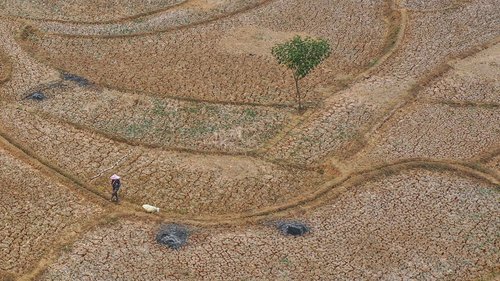
Recent floods near Valencia, Spain, have been intensified by climate change, according to researchers. Dr. Friederike Otto from Imperial College London emphasized that “these explosive downpours were intensified by climate change,” as rising temperatures allow the atmosphere to hold more moisture. The primary cause of the intense rainfall was the natural weather phenomenon "gota fría" or cold drop, which occurs during autumn and winter when cold air meets warmer Mediterranean waters. This interaction creates towering clouds that unleash significant rainstorms.Climate change is estimated to increase rainfall intensity by 7% for every 1°C rise in temperature. Additionally, baked soils, a result of hotter summers, contribute to flooding, as they struggle to absorb large quantities of water efficiently. Prof. Mark Smith from the University of Leeds explained how these extreme weather conditions lead to higher water levels in rivers.Storm Boris, which struck Central Europe in September, was similarly made worse by climate change, with scientists indicating that such storms have become twice as likely. The recent Spanish floods have raised questions about modern infrastructure's capacity to manage extreme weather, as roads and bridges were built to withstand the past climate, not today's challenges. While meteorologists strive to improve flood predictions, the unpredictability of intense thunderstorms complicates warning systems and emergency preparedness.