In brief
Women's support was crucial for Kamala Harris, but her campaign didn't generate the expected turnout. Exit polls reveal a drop in women voters, especially among Latinos and non-college educated women, as economic concerns took center stage over reproductive rights.
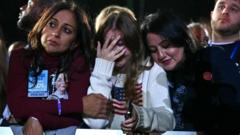
In the lead-up to the 2024 election, there was an assumption that women would rally behind Kamala Harris, but the reality proved different. While the majority of women did vote for her, the margins fell short of what she needed to defeat Donald Trump. Despite a strategic campaign focused on abortion rights, Harris faced disappointing turnout among critical voter groups. Polling indicated a significant gender gap, and Harris's team hoped that women would bolster her support to offset losses in other sectors. However, preliminary data shows her edges among women were around 10 points, which was less than Joe Biden's advantage two years prior. Notably, Harris's support among Latino women dropped by 10 points, leaving a stark contrast in political engagement.Harris’s campaign heavily emphasized reproductive rights, positioning abortion as a key issue due to Trump's past comments and actions. She highlighted the struggles of women impacted by state abortion restrictions, aiming to replicate the energy that fueled Democratic wins in the 2022 midterms. However, while abortion rights remain popular—recent polls cite little support for outright bans—this enthusiasm did not translate into Harris's favor on election day.Pollster Evan Ross Smith noted that while many women prioritized abortion, the most passionate voters were likely already aligned with Democrats. The campaign's message seemed unable to resonate with non-college educated women, who remained largely unmoved by the abortion issue and shifted towards Trump.For many voters, economic issues like inflation and affordability trumped reproductive rights. Individual experiences of financial strain influenced their choices at the ballot box, as illustrated by Jennifer Varvar from Colorado, who felt the economic landscape worsened under Democratic leadership and opted for Trump.While gender was anticipated to significantly sway the election, it did not divide the electorate as sharply as expected. Despite progressive strides, there are lingering biases, with some analysts indicating an ongoing reluctance for a female president. Unlike Hillary Clinton's candidacy, which openly embraced gender, Harris appeared hesitant to do so. As Trump leveraged traditional masculine traits to appeal to voters, it remains uncertain whether America is genuinely prepared for a female leader. Polling data indicates that a notable segment of the electorate still harbors reservations about voting for a woman president, highlighting the challenges Harris faced in her campaign.