In brief
Recent visits by UN officials reveal the severe humanitarian crisis in Sudan, particularly in El Geneina, where violence and famine have caused immense suffering. As communities are torn apart and left in despair, urgent assistance is needed, yet the world's attention remains divided.
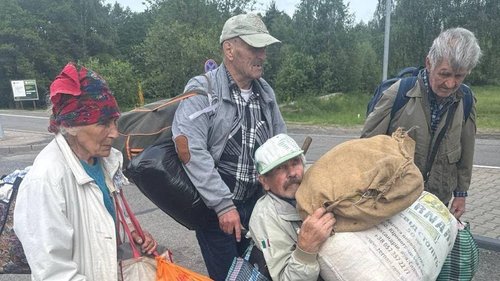
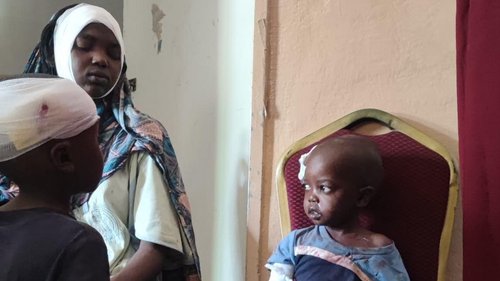
In the ghost town of El Geneina, reminders of violence lurk around every corner. Charred buildings and bullet-ridden structures echo the horrors faced by the residents who once called this place home. The UN’s relief chief, Tom Fletcher, paints a dire picture of West Darfur, which has been ravaged by conflict for 19 months, marking the area as one of the worst affected by violence and famine. Fletcher’s visit marked a rare opportunity for the UN to assess the aftermath of brutal massacres that claimed the lives of up to 15,000 individuals during last year's violence, characterized as ethnic cleansing by human rights groups. Armed militia, particularly the Rapid Support Forces (RSF), have been implicated in the mayhem and are said to control much of Darfur amid accusations of war crimes.Refugees flooding into Chad from El Geneina have harrowing stories to tell. Survivors recount fleeing from their homes under the threat of death, describing terrifying journeys at night while hiding by day to avoid being killed. Many families have been torn apart, with children and elders lost during the chaos.Inside displacement camps, community leaders express the urgent need for basic necessities and support, as the plight of the people continues to intensify. With aid organizations struggling against bureaucratic hurdles and dwindling attention from the international community, Fletcher emphasizes the need for a renewed focus on Sudan's crisis alongside global tensions elsewhere.As the situation in Sudan continues to deteriorate, Fletcher pledges to push for more access and support for humanitarian efforts, hoping that increased awareness can bring a change to the dire circumstances faced by millions.