As the war in Gaza grinds on, Israel's international isolation appears to be deepening. Is it approaching a 'South Africa moment', when a combination of political pressure, economic, sporting and cultural boycotts helped to force Pretoria to abandon apartheid?
Or can the right-wing government of Israeli Prime Minister Benjamin Netanyahu weather the diplomatic storm, leaving Israel free to pursue its goals in Gaza and the occupied West Bank without causing permanent damage to its international standing?
Two former prime ministers, Ehud Barak and Ehud Olmert, have already accused Netanyahu of turning Israel into an international pariah.
Thanks to a warrant issued by the International Criminal Court, the number of countries Netanyahu can travel to without the risk of being arrested has shrunk dramatically. At the UN, several countries, including Britain, France, Australia, Belgium and Canada, have said they are planning to recognize Palestine as a state next week.
Gulf countries, reacting with fury to last Tuesday's Israeli attack on Hamas leaders in Qatar, have been meeting in Doha to discuss a unified response, with some calling on countries with relations with Israel to reconsider.
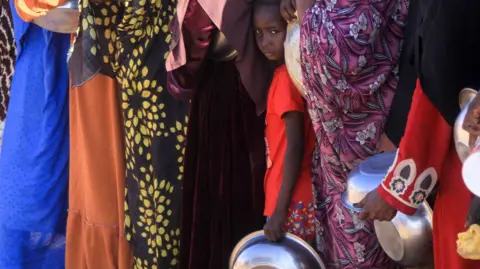
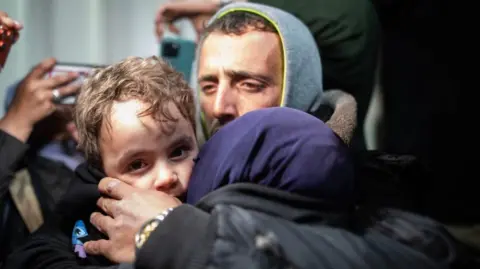
As images of starvation emerge from Gaza and the Israeli army prepares for a possible invasion of Gaza City, European governments are expressing their displeasure in increasingly significant ways.
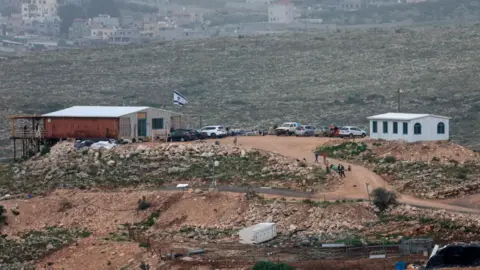
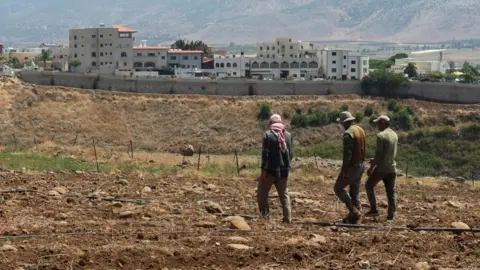
At the start of the month, Belgium announced a series of sanctions, including a ban on imports from illegal Jewish settlements in the West Bank. Other countries, including Britain and France, have initiated similar measures, while Spain has escalated its arms embargo and imposed additional sanctions.
Moreover, there is a growing sentiment for cultural and sporting boycotts against Israel, reminiscent of the actions taken against South Africa in the past. For instance, participation in the Eurovision Song Contest and various film festivals is being threatened by several countries.
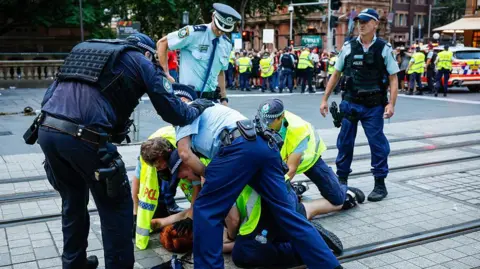
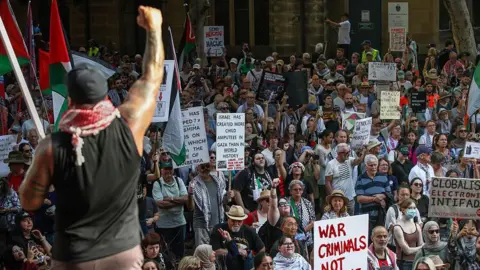
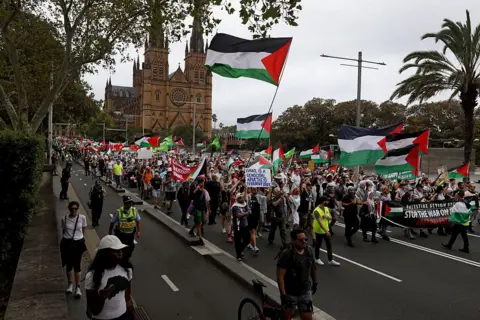
In the realm of sports, pro-Palestinian protests disrupted the Vuelta de España cycling race, prompting powerful reactions from political leaders.
Despite the increasing isolation and criticism, Netanyahu's government remains defiant, viewing the sanctions as anti-Israeli obsession rather than necessary corrective measures.
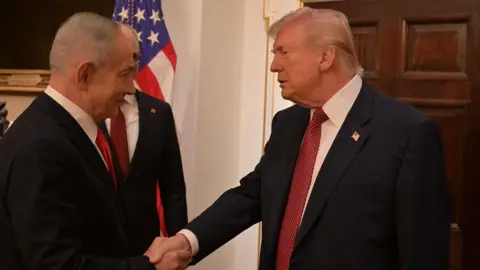
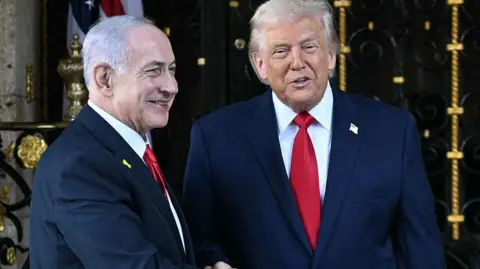
High-profile former diplomats express concern over Israel's declining international standing but also highlight that Israel's situation is not entirely hopeless. While the pressure is mounting, the support from the US stabilizes its position for now.
The road ahead for Israel is fraught with challenges, and how it navigates this potential 'South Africa moment' could redefine its place within the international community.