In brief
With a remarkable spike in abandoned oil tankers globally, the human impacts on stranded crew members are significant. Abandonment cases surged from 20 in 2016 to 410 in 2025, largely due to geopolitical instability and the emergence of shadow fleets. These ships, often under obscure ownership, leave sailors struggling for survival, highlighting the need for urgent action to protect maritime workers.
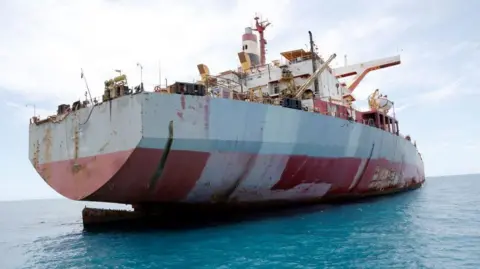
Over the past year, the number of oil tankers and other commercial ships abandoned by their owners worldwide has soared, raising alarms about the dire conditions faced by affected merchant sailors. Ivan (pseudonym), a senior deck officer on one of these tankers, reported severe shortages of essential supplies, leading his crew to survive day-by-day amid health struggles and anger due to unpaid wages. Abandoned vessels are often left in international waters, with one such tanker loaded with 750,000 barrels of oil remaining unattended since its abandonment was reported by the International Transport Workers' Federation (ITF). This increase in abandonment is attributed to factors such as geopolitical instability, the Covid pandemic, and the rise of shadow fleets— vessels that operate under limited oversight to evade sanctions. In 2025 alone, data showed a jump from 20 cases in 2016 to 410 last year, leaving thousands of sailors without wages or support. With India being the most affected nation, the government has had to blacklist numerous foreign vessels due to issues of abandonment and rights violations. The plight of these crews exposes the gap in maritime laws, emphasizing the urgent need for a more accountable maritime industry that protects sailors from such risks.