In brief
In Timor-Leste, a dedicated team of citizen scientists, including fishermen and students, are using drones and social media to monitor and learn about pygmy blue whales. This grassroots effort has captured incredible footage and promoted whale-watching tourism, providing new jobs while prioritizing marine conservation.
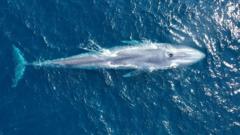
In the cobalt waters of Timor-Leste, local fishermen Faustino Mauloko da Cunha and his son Zacarias embark on a mission each year to observe pygmy blue whales. Armed with binoculars and cameras, they quickly mobilize a team when sightings occur, integrating drone technology to document their findings. These citizen researchers from Subaun have recorded close to 3,000 whale sightings over the last decade, a significant achievement noted by Australian marine ecologist Karen Edyvane. During whale season from October to November, hundreds of these magnificent creatures migrate through the region, prompting Edyvane to base herself in Subaun since 2014, collaborating with community members.The project, which began as a Facebook group, has evolved, teaching locals how to use advanced equipment for whale monitoring. This year, undergraduates joined the research efforts at a newly established research station, assisting in documenting rare behaviors, such as a mother nursing her calf.As interest in whale-watching grows, so does its economic potential for the area. Local tour operators report that their whale-watching tours are often booked years ahead. However, with this influx of tourism, there are concerns about conservation. The government, alongside Edyvane's research, aims to establish regulations that protect marine wildlife.Faustino and Zacarias now have a dual role in this initiative; they not only document the whales but also host guests, providing local meals. The initiative fosters community learning about conservation—Zacarias plans to educate visitors on respecting marine life, ensuring both the whales and their local ecosystem thrive.