In brief
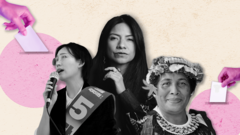
In a year marked by significant elections, female representation stagnates, with 27 new parliaments electing fewer women. While some countries see progress, global growth has plummeted to a near standstill.
In 2024, nearly half of the world's population, around 3.6 billion people, participated in major elections. However, this power moment saw the slowest growth in female political representation in two decades – a mere 0.03% increase globally. A study by the Inter-Parliamentary Union (IPU) highlights that 27 newly formed parliaments have fewer women than before, including nations like the US, India, and South Africa. Notably, the European Parliament experienced a historic low in female representation. The data revealed that two-thirds of the 46 nations assessed reported a decline in women elected. Progress was evident in the UK and Mongolia, where female representation rose, while Mexico and Namibia marked milestones by electing their first female presidents.Despite the importance of gender quotas in some regions—like Mongolia, which implemented a 30% female candidate quota—many countries without such measures lag behind in elected women. Women in leadership roles typically face challenges such as ambition gender gaps, financial barriers, and existing caregiving responsibilities, compounded by a lack of supportive policies like maternity leave.Increases in political violence against women, particularly in countries like Mexico, and societal backlash against feminist movements complicate the landscape further. Conversely, inclusion of women in decision-making can enrich economic and conflict resolution outcomes. As we navigate the complexities of governance today, advocates urge a reconsideration of political dynamics, framing the issue not as women's under-representation but rather men's over-representation in leadership.