In brief
Interviews at polling stations reveal that interference from American officials has made waves in Germany, influencing voter opinions and choices.
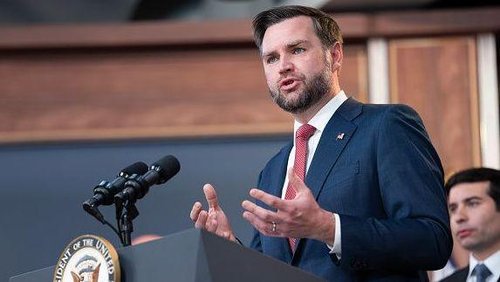
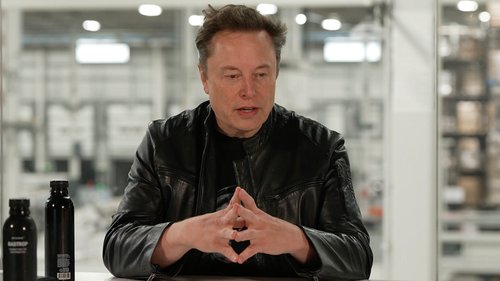
In a striking instance of international influence, Vice President JD Vance's remarks at the Munich Security Conference sparked varied responses among German voters. With some expressing concern over far-right politics and others feeling emboldened, the impact of the Trump administration on elections across the Atlantic is undeniable.Voters in Dresden shared their thoughts on Vance's call for European leaders not to brush aside "extreme" parties, with left-leaning individuals like Chris Buschmann feeling "anxious" about the echoes of history that such sentiments might resurrect. Other voters, such as Tim Adams, criticized attempts by billionaire Elon Musk, a Trump advisor, to sway electoral outcomes in Germany through his endorsement of the far-right AfD party.Conversely, supporters of the AfD, like Peter Kraus, felt validated by American political figures, voicing support for their policies and emphasizing the compatibility of their views with those of Vance and Musk. The divided perspectives highlight the complexities of U.S. political influence abroad and its ripple effects on global politics, especially in nations grappling with the resurgence of right-wing movements.