In brief
At a G20 meeting in Atlanta, Turkey’s foreign minister Hakan Fidan urged Russia and Ukraine to make significant sacrifices and reach a peace deal, warning that the nearly five‑year war hurts the global economy and could spread. He highlighted disruptions to the Strait of Hormuz, Black Sea grain trade, and the need for better ties between Russia and Europe, while Turkish diplomats continue to push for reopening the Hormuz passage.
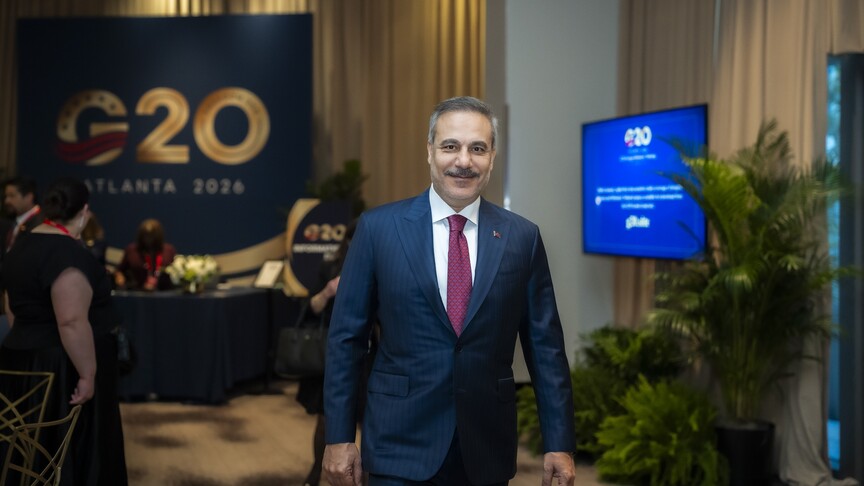
On Saturday, November 1, 2026, at a G20 foreign‑ministers’ meeting in Atlanta, Hakan Fidan, Turkey’s foreign minister, urged Russia and Ukraine to reach an agreement that would require serious sacrifices from both sides. He said the war’s toll on the global economy was becoming unimaginable and that the conflict could widen if no action was taken.
"These wars are no longer sustainable. Therefore, Russia and Ukraine must reach an agreement," Fidan said in an interview with Anadolu and Turkish public broadcaster TRT.
Fidan said that a lasting settlement had to include not just peace between the two belligerents, but also a renewed relationship between Russia and European nations. He noted that any peace agreement would have implications beyond Russia and Ukraine alone, citing the need for Europe to reconcile with Russia on economic and security fronts.
The Turkish official highlighted the economic consequences of the oil corridor at the Strait of Hormuz, which closed for much of the conflict. He warned that the closure had exacerbated energy disruptions and raised prices worldwide, making it more difficult for European industries that had relied on Russian fuel.
Fidan also expressed concern over halted grain shipments in the Black Sea, stressing that food security suffered as Russian and Ukrainian exports struggled to reach international markets. He said Turkey was working to facilitate resupply routes and restore normal shipping.
In his remarks, Fidan reaffirmed Turkey’s role as a mediator, stating that Turkish officials were engaging in intensive diplomatic efforts to bring both sides to the negotiating table and to reopen the Strait of Hormuz.
A note in the Daily World News Briefings echoed Fidan’s calls, urging an immediate reopening of the Hormuz passage and rejecting any military escalation. It added that the global economic toll was mounting and called for immediate action to prevent further regional spread.